Wheel loaders are workhorses of the construction industry, playing a vital role in material handling, loading, and excavation tasks. Their versatility and power make them indispensable on job sites of all sizes. However, with a multitude of manufacturers offering various models, choosing the right wheel loader can be a daunting task.
This abundance of options is where reliable comparisons and reviews come into play. By leveraging these resources, you can gain valuable insights into the strengths and weaknesses of different wheel loader manufacturers, allowing you to make an informed decision that aligns with your specific needs and budget.

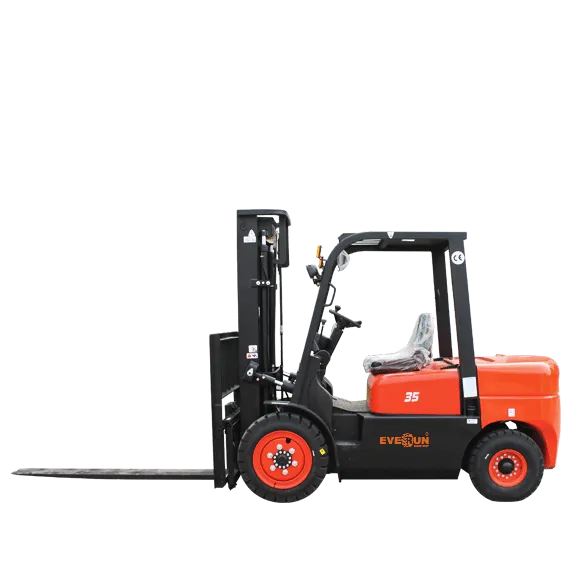
Medium Wheel Loaders — EVERUN ER35
Types of Resources for Wheel Loader Comparisons and Reviews
In today’s information age, there are numerous resources available to help you compare and review different wheel loader manufacturers. Here, we will explore some of the most valuable sources:
- Industry Publications and Websites
Reputable industry publications and websites are a cornerstone of construction equipment research. These publications feature in-depth reviews and comparisons of wheel loaders, conducted by experienced journalists and equipment specialists.
Some prominent examples include:
Construction Equipment Magazine: This magazine offers comprehensive reviews that cover key aspects like machine specifications, performance evaluations, operator comfort assessments, and maintenance considerations. They also provide valuable insights into technological advancements and upcoming trends in the wheel loader market.
Equipment World: This publication features user-friendly comparison charts that highlight key specifications and features of various wheel loader models. They also publish detailed reviews with a focus on real-world applications and operator experiences.
American Rental Association (ARA): The ARA website features resources specifically tailored to the needs of equipment rental companies. Their publications often include reviews of wheel loaders from a rental perspective, focusing on factors such as reliability, maintainability, and residual value.
The information typically covered in these reviews can be broadly categorized as follows:
Machine Specifications: Engine power, operating weight, bucket capacity, lifting capacity, and reach are some of the key specifications that are compared in detail.
Performance: Reviews often include real-world performance evaluations, such as cycle times, loading efficiency, and fuel consumption.
Operator Comfort: Ergonomics, visibility, noise levels, and control layout are crucial factors for operator comfort and productivity. Reviews typically assess these aspects to provide insights into operator satisfaction.
Maintenance: Reviews may discuss factors like ease of maintenance, accessibility of service points, and availability of spare parts. This information is valuable for estimating ongoing maintenance costs.
- Online Review Platforms and Forums
The rise of the internet has fostered a vibrant online community of construction professionals. These online platforms offer user-generated reviews that provide valuable real-world experiences with various wheel loader manufacturers.
Some popular online review platforms for construction equipment include:
Equipment360: This platform allows users to leave detailed reviews of construction equipment, including wheel loaders. These reviews offer insights into the strengths and weaknesses of specific models based on user experiences.
Construction Junction: This website features a dedicated forum section where construction professionals can discuss their experiences with different equipment brands. These forums can be a valuable resource for gathering unbiased feedback and posing specific questions to experienced users.
Machinery Trader: This online marketplace also features a user review section where buyers can share their experiences with equipment they have purchased. While primarily focused on used equipment, these reviews can offer valuable insights into the long-term performance and reliability of various wheel loader models.
While user-generated reviews are a valuable resource, it’s crucial to evaluate their credibility before forming an opinion. Here are some tips for evaluating online reviews:
Look for consistent feedback across multiple reviews. If multiple users report the same issues or highlight the same strengths, it’s likely a reliable indicator of the machine’s performance.
Be wary of reviews that seem overly promotional or excessively critical. These could be biased opinions and may not reflect the overall user experience.
Consider the reviewer’s experience level and the specific applications they use the wheel loader for. A review from a user with similar job requirements can be more relevant than one from someone working in a different industry.
- Independent Testing Organizations
Independent testing organizations play a vital role in objectively evaluating construction equipment. These organizations conduct rigorous performance tests and evaluations, providing unbiased data that can be used to compare different wheel loader models.
Here are two prominent examples of independent testing organizations involved in the construction equipment sector:
Association of Equipment Manufacturers (AEM): The AEM is a trade association that develops industry standards and specifications for construction equipment. They may publish test results and performance data for wheel loaders that meet their established standards.
Engineering News-Record (ENR): This leading publication in the construction industry occasionally features articles and reports that include independent testing data on construction equipment, including wheel loaders.
Evaluating and Utilizing Comparisons and Reviews
Having explored various resources for comparisons and reviews, let’s delve into how to effectively utilize this information to make an informed decision.
- Identifying Relevant Criteria
The key to using comparisons and reviews effectively lies in identifying the criteria that matter most for your specific needs and budget. Here are some factors to consider:
Machine Size and Capacity: The size and capacity of the wheel loader will depend on the types of jobs you plan to use it for. Consider the weight and size of materials you will be handling, the lifting capacity required, and the working environment (confined spaces may require a more compact model).
Horsepower and Performance: The engine power of the wheel loader will determine its power output, acceleration, and overall performance. Evaluate your needs in terms of digging, loading, and hauling requirements to choose a machine with adequate power.
Fuel Efficiency: Fuel costs are a significant ongoing expense for any construction equipment. Reviews and comparisons often highlight fuel efficiency data, allowing you to compare models and choose one that offers optimal fuel economy.
Maintenance Costs: Consider factors like ease of maintenance, accessibility of service points, and availability of spare parts. Reviews may discuss these aspects, and some manufacturers offer extended warranty programs that can influence your overall maintenance costs.
Operator Comfort: Operators spend long hours working with construction equipment. Features like ergonomic controls, comfortable seating, and good visibility can significantly impact productivity and worker satisfaction.
- Cross-referencing Information
Don’t rely solely on a single source of information. Utilize various resources like industry reviews, user experiences on online platforms, and independent testing data to gain a well-rounded perspective on different wheel loader manufacturers. By cross-referencing information from multiple sources, you can identify consistent trends and gain a more comprehensive understanding of each manufacturer’s strengths and weaknesses.
- Understanding Biases
It’s important to be aware of potential biases in some reviews and comparisons. Here’s how to mitigate their influence:
Brand Loyalty: Some reviewers might be biased towards specific brands due to past experiences or brand loyalty. Look for reviews that offer a balanced perspective and highlight both positive and negative aspects of different wheel loaders.
Limited Experience: A reviewer with limited experience operating different wheel loader models may not be able to provide a comprehensive comparison. Look for reviews from experienced operators who have worked with various brands.
Here are some tips for recognizing and mitigating potential bias:
Look for consistent feedback across multiple sources. If a single review highlights a specific issue that isn’t mentioned elsewhere, it could be an outlier.
Consider the reviewer’s qualifications and experience level. Reviews from industry professionals with a proven track record are more likely to be reliable.
Be aware of the purpose of the review platform. Some platforms might cater to specific user groups, so the focus of the reviews may be skewed towards certain applications.
Additional Resources and Considerations
Beyond the resources mentioned earlier, here are some additional tools you can utilize in your research process:
- Manufacturer Websites and Brochures
Manufacturer websites and brochures offer a wealth of information about their wheel loader models, including detailed specifications, technical data sheets, and product brochures. These resources provide a good starting point for familiarizing yourself with the features and functionalities of different models.
- Consulting Equipment Dealers and Rentals
Experienced equipment dealers and rental companies can be invaluable resources when choosing a wheel loader. They possess in-depth knowledge about various manufacturers and can help you select a machine that aligns perfectly with your needs. These professionals can provide insights into factors like:
Machine suitability for specific applications.
Cost considerations including purchase price, financing options, and ongoing maintenance costs.
Availability of aftermarket parts and service support in your region.
Performance and reliability based on their experience with different brands.
- Attending Trade Shows and Events
Industry trade shows and events offer a unique opportunity to see various wheel loader models showcased firsthand. These events allow you to:
Interact with representatives from different manufacturers and ask specific questions about their products.
Observe demonstrations of wheel loaders in action and experience their features firsthand.
Network with other construction professionals and gather insights from their experiences.
Conclusion
Choosing the right wheel loader manufacturer is a critical investment decision for any construction business. By leveraging the resources and tips outlined in this article, you can conduct thorough research and gather valuable insights from reliable comparisons and reviews. Remember, the key lies in identifying your specific needs, evaluating information from multiple sources, and consulting with industry professionals. With this approach, you can confidently select a wheel loader manufacturer that delivers optimal performance, reliability, and value for your business.