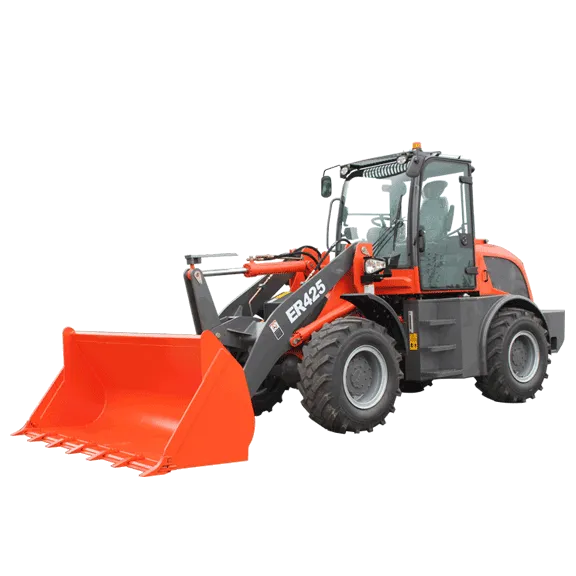
In today’s fast-evolving construction and agricultural industries, efficiency, versatility, and reliability are more important than ever. Whether on a busy construction site or a large-scale farm, the demand for powerful and multifunctional machinery continues to grow. Among the most essential machines driving productivity are the wheel loader, telescopic wheel loader, and telehandler—all of which play a crucial role in modern construction equipment and agricultural machinery solutions.
This article explores how these machines are transforming daily operations, their key advantages, and why they are becoming indispensable across multiple industries.
The Growing Demand for Multi-Functional Machinery
Modern worksites are no longer limited to single-purpose machines. Contractors and farmers increasingly require equipment that can perform multiple tasks efficiently, reduce operational costs, and adapt to different environments.
This shift has led to the rising popularity of compact and flexible machines such as the wheel loader, telescopic wheel loader, and telehandler. These machines combine power, agility, and adaptability, making them ideal for both urban construction projects and rural agricultural operations.
Wheel Loader: A Core Machine in Construction Equipment
The wheel loader is one of the most widely used machines in the construction industry. Known for its strength and durability, it is designed to handle heavy-duty material handling tasks such as loading, transporting, and stockpiling materials like gravel, sand, soil, and debris.
Key Advantages of Wheel Loaders:
- High loading capacity for heavy materials
- Strong performance in tough working environments
- Excellent maneuverability on construction sites
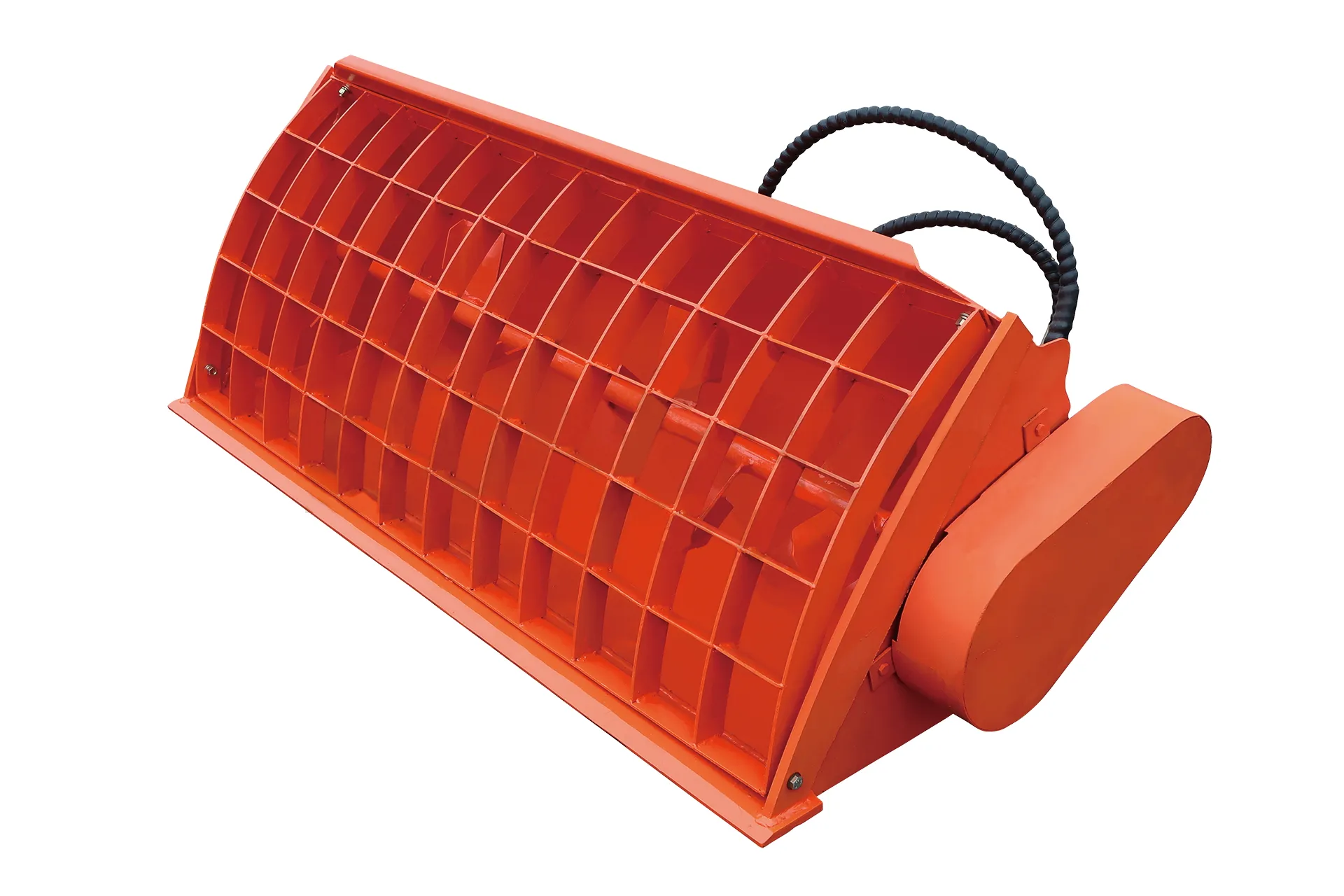
- Wide range of attachments for different applications
As a core part of modern construction equipment, the wheel loader significantly improves productivity by reducing manual labor and speeding up material handling processes. It is commonly used in infrastructure projects, road construction, mining operations, and logistics yards.
Telescopic Wheel Loader: Expanding Reach and Versatility
The telescopic wheel loader is an advanced version of the traditional wheel loader, equipped with a telescopic boom that extends forward and upward. This design allows operators to reach higher and farther without repositioning the machine.
Why Choose a Telescopic Wheel Loader?
- Extended reach for stacking and loading at height
- Improved flexibility in confined or uneven spaces
- Ability to handle multiple attachment tools
- Ideal for both construction and agricultural machinery applications
This machine is particularly valuable in environments where space is limited or where materials must be placed at elevated levels, such as warehouses, farms, and urban construction sites.
In agriculture, the telescopic wheel loader is frequently used for handling hay bales, grain storage, and general farm logistics, making it a true hybrid between construction and farming operations.
Telehandler: The Ultimate All-in-One Lifting Solution
The telehandler, also known as a telescopic handler, is one of the most versatile machines in the modern equipment market. It combines the functions of a crane, forklift, and loader into a single powerful machine.
Key Features of a Telehandler:
- Telescopic boom with high lifting reach
- Compatibility with multiple attachments (forks, buckets, hooks)
- Strong stability on rough terrain
- Suitable for both lifting and material transport
As a critical part of both construction equipment and agricultural machinery, the telehandler is widely used in construction sites, farms, warehouses, and industrial facilities.
In construction, it is ideal for lifting materials to upper floors of buildings. In agriculture, it is used for stacking hay, moving feed, and handling heavy farm materials efficiently.
Applications Across Industries
The combination of wheel loader, telescopic wheel loader, and telehandler provides unmatched flexibility across multiple industries.
Construction Industry
- Earthmoving and site preparation
- Material loading and transport
- High-rise lifting tasks
- Infrastructure development projects
Agriculture Industry
- Handling feed and fertilizers
- Moving hay bales and grain
- Farmyard logistics
- Loading and unloading materials
Industrial & Logistics
- Warehouse stacking operations
- Container loading
- Port and yard material handling
These machines significantly reduce labor costs while increasing operational efficiency, making them essential for modern businesses.
Why These Machines Define Modern Construction Equipment
The evolution of construction equipment is driven by three key factors: efficiency, adaptability, and sustainability. The wheel loader family, including telescopic and telehandler models, aligns perfectly with these needs.
They offer:
- Faster job completion times
- Reduced dependency on multiple machines
- Lower maintenance and operational costs
- Increased safety through mechanized handling
In addition, their ability to switch between attachments allows operators to complete different tasks without changing machines, saving both time and resources.
Integration with Agricultural Machinery Development
Modern farming is becoming increasingly mechanized, and the integration of agricultural machinery with construction-grade equipment has become a major trend.
Machines like the telehandler and telescopic wheel loader bridge the gap between farming and construction, offering farmers powerful tools to manage large-scale operations efficiently. This integration is especially valuable in regions with intensive agriculture and large commercial farms.
Conclusion
The wheel loader, telescopic wheel loader, and telehandler represent the future of multifunctional heavy machinery. As industries continue to demand higher efficiency and greater flexibility, these machines are becoming essential tools across both construction equipment and agricultural machinery sectors.
Their ability to adapt to diverse working environments, handle multiple tasks, and improve productivity makes them a smart investment for businesses looking to stay competitive in a fast-changing market.
Whether you are working on a construction site, managing a farm, or operating in logistics, these machines deliver the power, versatility, and performance needed for modern applications.