Introduction
In the dynamic world of construction, the choice of an articulating loader is not merely a transaction but a strategic decision that can significantly impact project efficiency and success. This article delves into the intricate process of assessing the quality of an articulating loader for sale, emphasizing the specific features and specifications that should be prioritized to meet the unique demands of construction projects.

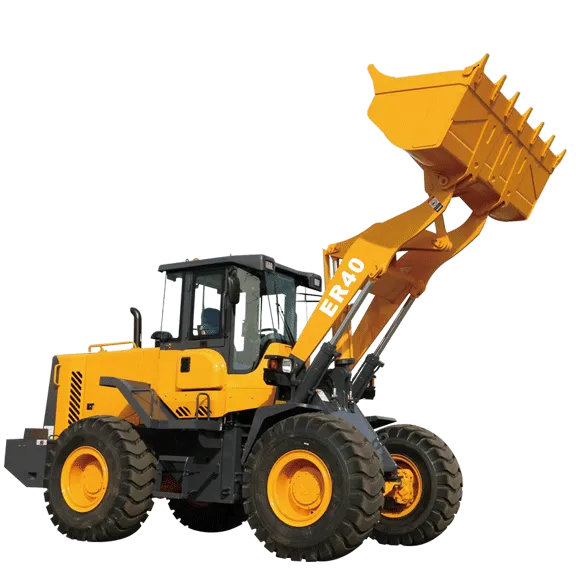
BACKHOE WHEEL LOADER – EVERUN ERB30-25
Engine Performance and Power
A crucial aspect of any articulating loader for sale is its engine performance and power. Understanding the engine specifications ensures that the loader can handle the diverse tasks encountered on construction sites. We delve into the importance of horsepower, torque, fuel efficiency, and compliance with emission standards in providing a powerful and environmentally conscious solution.
Articulation and Steering
The articulation and steering capabilities of an articulating loader for sale play a pivotal role in its maneuverability and adaptability. This section explores the design of the articulation joint, its range of motion, and the different steering modes available. The aim is to provide insights into how these features contribute to the loader’s agility and ease of navigation in confined spaces.
Lifting Capacity and Hydraulic System
Assessing the lifting capacity of an articulating loader for sale is essential to ensure it meets the demands of specific construction tasks. We examine the nominal and maximum lifting capacities, shedding light on the loader’s capabilities. Additionally, a detailed exploration of the hydraulic system is undertaken, emphasizing the efficiency and responsiveness critical for optimal performance.
Loader Attachments and Versatility
The versatility of an articulating loader for sale lies in its ability to adapt to various tasks through different attachments. This section focuses on the compatibility of the loader with a range of tools, buckets, and forks. Understanding the loader’s adaptability is key to maximizing its utility across diverse materials and construction activities.
Operator Comfort and Safety Features
A comfortable and safe operating environment is paramount for operator efficiency and well-being. We delve into the ergonomics of the operator cabin, assessing factors such as seating, visibility, and control placement. Additionally, safety features, including alarms, stability systems, and visibility enhancements, are scrutinized to ensure a secure working environment.
Maintenance and Serviceability
The ease of maintenance and serviceability is often overlooked but crucial for the ongoing reliability of an articulating loader. This section explores the accessibility of critical components for routine checks and maintenance tasks. Additionally, the availability of diagnostic systems is discussed, emphasizing their role in identifying and addressing issues promptly.
Technology Integration
The infusion of technology into articulating loaders has revolutionized their performance and efficiency. We investigate the integration of telematics for remote monitoring, providing insights into the loader’s health and usage. Smart systems that enhance overall performance and efficiency are explored, showcasing the role of technology in modern construction equipment.
Terrain Adaptability
Construction projects often unfold in diverse terrains, and the loader’s adaptability to these conditions is vital. We analyze features that enhance traction and stability on challenging surfaces, ensuring that the loader maintains optimal performance across various construction environments.
Warranty and After-Sales Support
The commitment of a seller to customer satisfaction is encapsulated in the warranty terms and after-sales support. We delve into the duration and coverage of warranties, offering insights into the protection provided for the investment. Additionally, the availability of comprehensive after-sales support and customer service is explored, emphasizing the importance of a reliable support system.
Conclusion
In conclusion, the intricate process of selecting an articulating loader for construction projects involves a meticulous consideration of specific features and specifications. By prioritizing engine performance, articulation, lifting capacity, versatility, operator comfort, maintenance, technology integration, terrain adaptability, and after-sales support, stakeholders can make informed decisions that align with the unique demands of their projects. In a rapidly evolving construction landscape, the strategic choice of an articulating loader for sale becomes a catalyst for efficiency, productivity, and long-term success.