Introduction
A wheel loader, also known as a front-end loader, bucket loader, or scoop loader, is a type of heavy equipment used primarily in construction, agriculture, mining, and landscaping. This versatile machine is indispensable for tasks that involve lifting and transporting heavy materials such as soil, gravel, and debris. In this article, we will explore what a wheel loader is, its components, types, and specifications, and provide a comprehensive guide on how to operate one safely and efficiently.
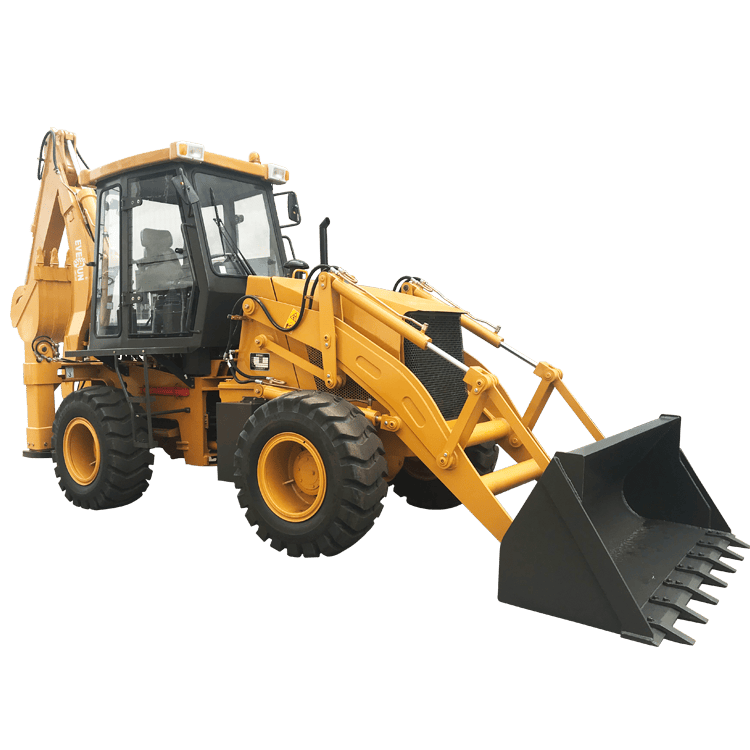
BACKHOE WHEEL LOADER – EVERUN ERB30-25
What is a Wheel Loader?
- Components of a Wheel Loader
A wheel loader comprises several key components that work together to perform a variety of tasks. Understanding these components is crucial for operating the machine effectively and safely.
Engine and Powertrain
The engine is the heart of the wheel loader, providing the power needed to operate. Modern wheel loaders typically use diesel engines due to their efficiency and power output. The powertrain transmits this power from the engine to the wheels, enabling the loader to move and perform tasks.
Hydraulic System
The hydraulic system is responsible for operating the loader’s attachments, such as the bucket. It uses hydraulic fluid to transmit power, allowing for precise and powerful movements of the loader arms and bucket.
Cab and Controls
The cab is where the operator sits and controls the machine. It is designed for comfort and visibility, with ergonomic controls that allow for easy operation of the loader. Modern cabs are equipped with climate control, adjustable seats, and advanced control panels.
Wheels and Tires
Wheel loaders are equipped with large, robust tires that provide stability and traction on various terrains. The choice of tires can vary depending on the working conditions, such as standard tires for general use or specialized tires for rough terrains.
Attachments
The most common attachment is the bucket, used for scooping and transporting materials. However, wheel loaders can be equipped with various attachments such as forks, grapples, and snowplows, making them versatile for different tasks.
- Types of Wheel Loaders
Wheel loaders come in different sizes and configurations, each suited for specific tasks and environments.
Compact Wheel Loaders
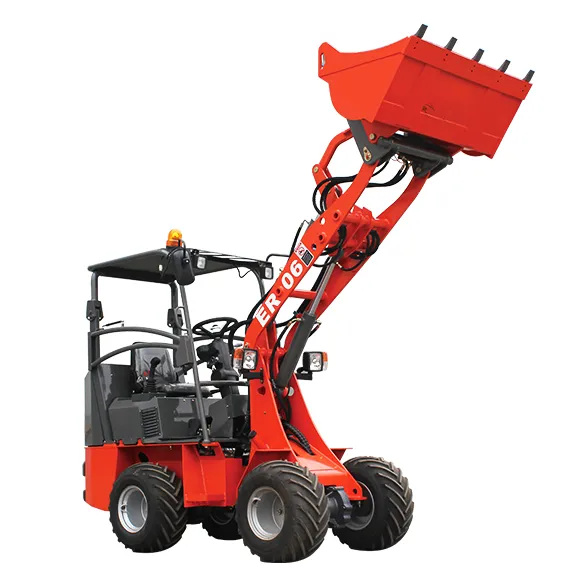
These small loaders are ideal for tasks in confined spaces, such as urban construction sites or landscaping projects. They offer maneuverability and precision.
Small Wheel Loaders
Slightly larger than compact loaders, small wheel loaders are used for tasks that require more power but still need maneuverability, such as municipal work and small-scale construction.
Medium Wheel Loaders
Medium-sized loaders strike a balance between power and versatility. They are commonly used in construction, agriculture, and material handling.
Large Wheel Loaders
These powerful machines are designed for heavy-duty tasks such as mining and large-scale construction projects. They offer high load capacities and are built to handle the most demanding jobs.
- Key Specifications and Features
Understanding the key specifications of a wheel loader helps in selecting the right machine for the job.
Load Capacity
This refers to the maximum weight the loader can lift. It is an essential factor to consider based on the type of materials you need to handle.
Horsepower
The engine’s horsepower determines the machine’s power and efficiency. Higher horsepower is needed for more demanding tasks.
Operating Weight
This is the total weight of the machine, including the standard bucket and operator. It affects the stability and maneuverability of the loader.
Lift Height and Reach
Lift height is the maximum height the bucket can reach, while reach refers to how far the bucket can extend. These specifications are crucial for tasks that require loading materials onto trucks or over obstacles.
How to Operate a Wheel Loader
Operating a wheel loader requires skill, knowledge, and adherence to safety protocols. Here, we outline the steps to ensure safe and efficient operation.
- Pre-Operation Inspection
Before operating a wheel loader, it’s crucial to conduct a thorough inspection to ensure the machine is in good working condition.
Checking Fluid Levels
Inspect the engine oil, hydraulic fluid, coolant, and other essential fluids. Ensure they are at the correct levels to prevent mechanical failures.
Inspecting Tires
Check the tires for any signs of damage or excessive wear. Ensure they are properly inflated to maintain stability and traction.
Lights and Indicators
Verify that all lights and indicators are functional. This includes headlights, brake lights, and warning signals.
Safety Features
Ensure that all safety features, such as seat belts, backup alarms, and mirrors, are operational.
- Starting the Wheel Loader
Follow these steps to start the wheel loader safely:
Proper Startup Procedures
Enter the cab and fasten the seatbelt. Ensure the parking brake is engaged and the gear selector is in neutral.
Turn the ignition key to start the engine. Allow the engine to run for a few minutes to warm up, especially in cold weather.
Warming Up the Engine
Letting the engine warm up helps ensure the hydraulic fluid reaches the proper operating temperature, which is crucial for smooth operation.
- Basic Operating Controls
Understanding the basic controls is essential for operating the loader effectively.
Control Panel
Familiarize yourself with the control panel, including gauges, switches, and levers. These controls manage the engine, hydraulics, and other functions.
Steering and Maneuvering
Use the steering wheel to control the direction of the loader. Practice driving forward, backward, and making turns in a safe, open area.
Hydraulic Controls
The hydraulic controls operate the loader’s arms and attachments. Practice lifting, lowering, tilting, and dumping the bucket to get a feel for the controls.
- Operating Techniques
Efficient and safe operation of a wheel loader involves mastering several techniques:
Loading and Unloading Materials
Approach the material pile slowly and squarely. Lower the bucket and tilt it forward to scoop the material. Lift the bucket and transport the load to the desired location.
When unloading, position the loader and tilt the bucket forward to dump the material. Use smooth and controlled movements to avoid spills and ensure precise placement.
Safe Driving Practices
Always drive at a safe speed, especially when carrying a load. Avoid sudden stops and sharp turns to prevent tipping.
Be mindful of the terrain and obstacles. Slow down on rough or uneven surfaces to maintain stability.
Efficient Material Handling
Plan your route and material handling tasks to minimize unnecessary movements. This improves efficiency and reduces wear on the machine.
Use the loader’s full range of motion to position materials accurately and efficiently.
Safety Considerations
Safety is paramount when operating a wheel loader. Follow these guidelines to ensure a safe working environment:
Personal Protective Equipment (PPE)
Wear appropriate PPE, including a hard hat, safety glasses, gloves, and steel-toed boots. High-visibility clothing is also recommended.
Site-Specific Safety Protocols
Adhere to all safety protocols and guidelines specific to the work site. This includes traffic patterns, communication signals, and emergency procedures.
Avoiding Common Hazards
Be aware of common hazards such as overloading the bucket, operating on unstable ground, and working near other equipment or personnel.
Never exceed the loader’s rated load capacity. Distribute the load evenly in the bucket to maintain balance.
Maintenance and Troubleshooting
Regular maintenance is essential for the longevity and reliability of a wheel loader. Here are some best practices and common troubleshooting tips.
- Regular Maintenance Practices
Routine Inspections
Conduct daily inspections before and after operation. Look for signs of wear, leaks, and other potential issues.
Lubrication and Fluid Replacements
Follow the manufacturer’s guidelines for lubrication intervals and fluid replacements. Regularly change engine oil, hydraulic fluid, and other essential fluids.
Cleaning and Storage
Clean the loader regularly to remove dirt and debris. Store the machine in a dry, sheltered location to protect it from the elements.
- Common Issues and Solutions
Hydraulic Leaks
Inspect hydraulic lines and connections regularly for leaks. Replace damaged hoses and tighten loose fittings promptly.
Engine Problems
Address engine issues such as poor performance or starting difficulties by checking the fuel and air filters, spark plugs, and battery.
Worn-Out Parts
Regularly inspect and replace worn-out parts such as tires, brake pads, and hydraulic seals to prevent breakdowns and ensure safe operation.
Conclusion
Operating a wheel loader effectively requires a combination of knowledge, skill, and adherence to safety protocols. By understanding the components, types, and specifications of wheel loaders, and following the guidelines for operation and maintenance, operators can ensure safe and efficient performance. Proper training and experience are essential, and ongoing education about best practices will help maximize the loader’s productivity and lifespan.
Additional Resources
Training Programs and Certifications
Consider enrolling in formal training programs offered by vocational schools, trade organizations, and equipment manufacturers. These programs provide hands-on training and certification, ensuring that operators are well-prepared for the job.
Manufacturer Manuals and Guides
Always refer to the operator’s manual provided by the manufacturer for specific guidelines and instructions. Many manufacturers also offer online resources and customer support to assist with troubleshooting and maintenance.