Introduction
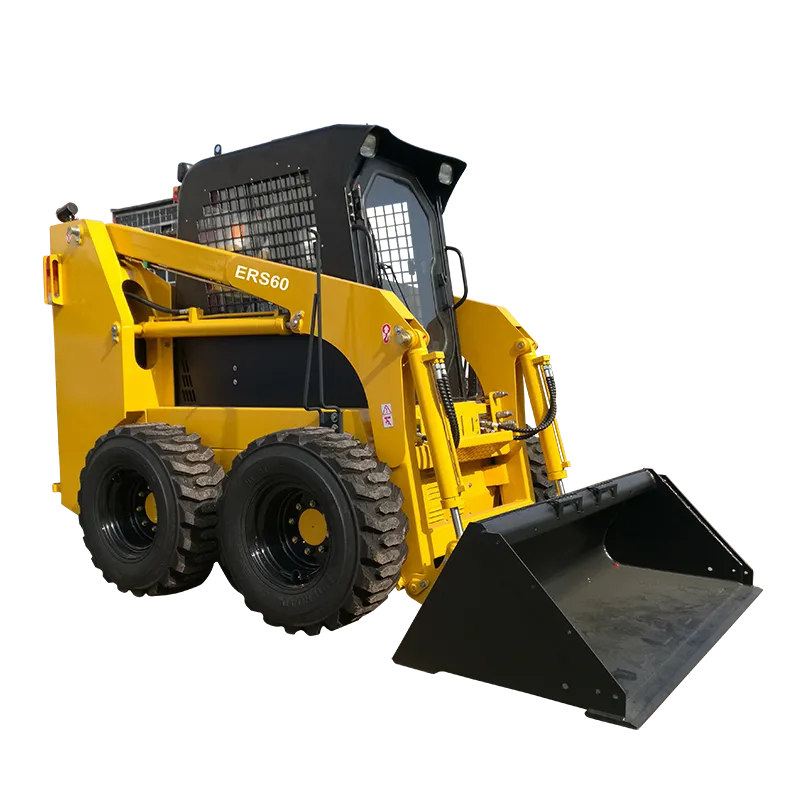
A skid steer loader, often referred to simply as a skid steer, is a versatile piece of construction equipment renowned for its compact size, agility, and multifaceted capabilities. Characterized by its unique steering mechanism that allows it to skid or pivot around its wheels, the skid steer loader is an indispensable machine in numerous industries. This article delves into what a skid steer loader is, its components and types, and explores the diverse applications that make it an essential tool in construction, agriculture, landscaping, and beyond.
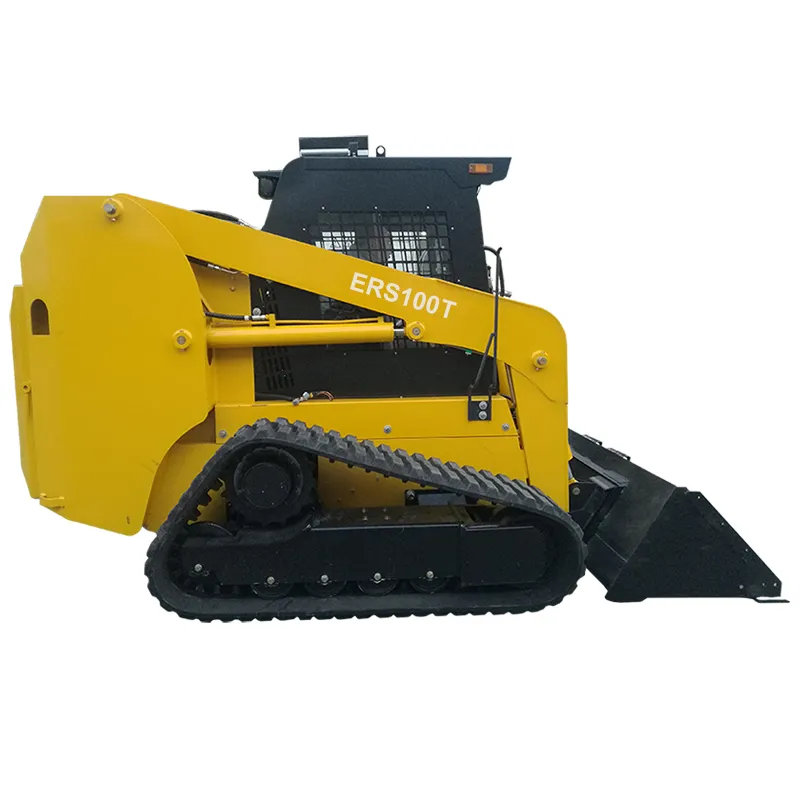
SKID STEER LOADER-ERS100T
What is a Skid Steer Loader?
- Components of a Skid Steer Loader
Understanding the fundamental components of a skid steer loader is crucial for grasping how this machine operates and why it is so versatile.
Engine and Powertrain
The engine, typically a robust diesel engine, powers the skid steer loader, providing the necessary torque and horsepower for demanding tasks. The powertrain transfers this power from the engine to the wheels or tracks, enabling movement and operation.
Hydraulic System
The hydraulic system is a core component, responsible for powering the loader’s attachments and lift arms. Hydraulic pumps and motors convert engine power into hydraulic energy, facilitating smooth and powerful operations.
Cab and Controls
The cab houses the operator and is designed for safety, comfort, and ease of use. Modern skid steers feature ergonomic controls, such as joystick or lever-operated systems, and often include climate control and adjustable seating to enhance operator comfort.
Tires or Tracks
Skid steers come with either wheels or tracks. Wheeled skid steers are suited for firm, flat surfaces, providing speed and maneuverability. Tracked skid steers offer superior traction and stability on soft, uneven, or muddy terrains.
Attachments and Quick Couplers
One of the most defining features of skid steer loaders is their ability to use a variety of attachments. Quick couplers allow for fast and easy attachment changes, enhancing the machine’s versatility.
- Types of Skid Steer Loaders
Skid steer loaders can be broadly categorized based on their mobility systems:
Wheeled Skid Steer Loaders
These are the traditional skid steers, equipped with wheels. They are ideal for applications requiring high speed and maneuverability on hard, even surfaces. They are commonly used in construction and landscaping.
Tracked Skid Steer Loaders
Also known as compact track loaders, these machines are equipped with tracks instead of wheels. They provide better flotation and traction on soft, uneven, or slippery surfaces, making them suitable for forestry, agriculture, and challenging terrains.
- Key Specifications and Features
When selecting a skid steer loader, several key specifications and features should be considered to ensure the machine meets the specific requirements of the job.
Load Capacity
This indicates the maximum weight the loader can lift and carry. Load capacities vary widely among different models, so choosing the appropriate capacity is crucial for efficiency and safety.
Horsepower
The engine’s horsepower affects the machine’s performance, particularly in demanding applications. Higher horsepower models are capable of handling tougher tasks and heavier loads.
Operating Weight
The operating weight includes the weight of the machine, the operator, and standard attachments. It influences the machine’s stability and transportability.
Lift Height and Reach
Lift height refers to the maximum height the loader arms can reach, while reach indicates how far the arms can extend. These specifications are vital for tasks such as loading materials onto trucks or placing them in high areas.
Maneuverability and Turning Radius
Skid steers are known for their tight turning radius, which allows them to operate in confined spaces. This maneuverability is a significant advantage in urban construction sites and other restricted environments.
What is a Skid Steer Loader Used For?
The versatility of skid steer loaders is reflected in their wide range of applications across various industries. Here, we explore some of the primary uses of skid steer loaders.
- Construction
Skid steer loaders are a staple in the construction industry due to their compact size and adaptability.
Excavating and Grading
With the right attachments, skid steers can perform tasks such as digging foundations, trenches, and holes. They are also used for grading surfaces to ensure they are level and properly prepared for building.
Demolition and Debris Removal
Skid steers equipped with grapple buckets, hammers, and shears can handle demolition tasks, breaking down structures and removing debris efficiently.
Material Handling and Transport
These machines excel at moving materials around the job site. They can transport soil, gravel, sand, and other materials, making them invaluable for site preparation and cleanup.
- Agriculture
In agriculture, skid steer loaders contribute significantly to productivity and efficiency.
Livestock Management
Skid steers are used for feeding livestock, cleaning barns, and handling manure. Their ability to maneuver in tight spaces makes them ideal for tasks in livestock facilities.
Soil Preparation and Landscaping
They are used to till soil, prepare seedbeds, and maintain fields. Skid steers can also handle landscaping tasks such as planting trees and shrubs.
Hay and Feed Transportation
These loaders can transport hay bales and feed, streamlining operations in farms and reducing manual labor.
- Landscaping
Landscapers rely on skid steer loaders for their ability to perform a variety of tasks with different attachments.
Lawn and Garden Preparation
Skid steers can be used to prepare lawns and gardens, tilling soil, and laying sod.
Tree and Shrub Planting
They are ideal for digging holes for trees and shrubs, ensuring proper placement and growth.
Hardscaping
Skid steers are used in constructing patios, retaining walls, and other hardscape features. They can move and position materials such as stones and pavers accurately.
- Snow Removal
In regions with heavy snowfall, skid steer loaders are indispensable for maintaining clear and safe pathways.
Clearing Driveways and Parking Lots
Equipped with snow blowers, blades, or buckets, skid steers can efficiently clear snow from large areas.
Sidewalk and Pathway Maintenance
Their compact size and maneuverability make them perfect for clearing snow from sidewalks and narrow pathways.
- Forestry
In forestry operations, skid steer loaders are used for land clearing and preparation.
Land Clearing
Skid steers can remove brush, small trees, and stumps, preparing land for logging or planting.
Stump Grinding and Removal
With stump grinder attachments, skid steers can grind down and remove tree stumps, facilitating land rehabilitation and management.
- Industrial Applications
In industrial settings, skid steer loaders enhance operational efficiency.
Warehouse Operations
Skid steers are used for material handling, loading, and unloading goods in warehouses. Their ability to navigate tight spaces is particularly advantageous in these environments.
Dock Loading and Unloading
They can efficiently load and unload ships and trucks, streamlining logistics and reducing turnaround times.
Advantages of Using a Skid Steer Loader
The popularity of skid steer loaders is due to several key advantages they offer.
- Versatility and Attachment Options
Wide Range of Compatible Attachments
Skid steers can be equipped with a variety of attachments, including buckets, augers, trenchers, forks, and more. This makes them suitable for a wide range of tasks without the need for multiple machines.
Quick Attachment Changeover
The quick coupler system allows for fast and easy attachment changes, enhancing productivity and reducing downtime.
- Compact Size and Maneuverability
Ability to Operate in Tight Spaces
Their compact size allows skid steers to operate in confined areas where larger equipment cannot fit, making them ideal for urban construction and indoor tasks.
Easy Transportation Between Job Sites
Skid steers are easy to transport on trailers or flatbed trucks, allowing for quick relocation between job sites.
- Efficiency and Productivity
High Operational Speed and Efficiency
Skid steers are designed for quick and efficient operation, performing tasks faster than manual labor or larger, less agile machines.
Multi-Tasking Capabilities
With the ability to switch between various attachments, skid steers can perform multiple tasks in one job, reducing the need for additional equipment and operators.
- Durability and Maintenance
Robust Design for Tough Environments
Skid steers are built to withstand harsh working conditions and demanding tasks, ensuring longevity and reliability.
Ease of Maintenance and Repairs
Routine maintenance is straightforward, and many components are easily accessible for inspection and repair, minimizing downtime.
Conclusion
The Skid steer loaders ‘s adaptability and efficiency make it a valuable asset in numerous industries. By understanding its components, types, and applications, operators can maximize its potential, enhancing productivity and efficiency across the board.