Introduction
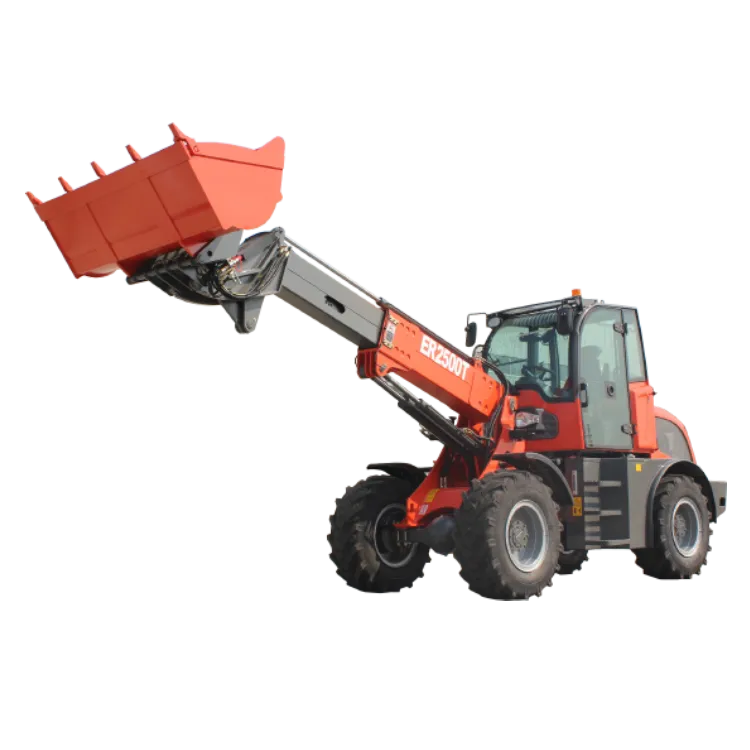
In the realm of construction and material handling, the selection of an articulated loader supplier stands as a pivotal decision, shaping the efficiency and success of projects. This article embarks on a comprehensive exploration of the crucial factors that demand consideration when choosing the right articulated loader supplier.

Medium Wheel Loaders — EVERUN ER35
Equipment Range and Specifications
In the realm of construction and material handling, the heartbeat of any project is the articulated loader. Understanding the intricate details of the equipment range and specifications offered by a potential supplier is paramount in ensuring a harmonious integration into the unique demands of diverse projects.
- Diverse Range of Articulated Loaders
A key consideration when evaluating articulated loader suppliers is the breadth and diversity of their equipment range. Suppliers that boast a comprehensive lineup cater to a myriad of project requirements, offering a solution for every construction and material handling need. This encompasses a spectrum of loader sizes, capacities, and configurations, each tailored to tackle specific challenges encountered on the field.
Loader Sizes: An array of loader sizes ensures that the supplier can accommodate projects of varying scales. From compact loaders ideal for confined spaces to larger loaders capable of handling substantial loads, a diverse size range reflects a supplier’s commitment to versatility.
Configurations: Beyond size, a supplier’s commitment to customization is reflected in the configurations they offer. Articulated loaders can be configured with different attachments, allowing for versatility in handling materials ranging from loose aggregates to palletized goods.
- Technical Specifications and Capacities
While the range of loaders is crucial, understanding the technical specifications and capacities is equally vital. This involves a detailed examination of the equipment’s capabilities, ensuring it aligns seamlessly with the demands of specific projects.
Lifting Capacities: The lifting capacity of an articulated loader directly correlates with its efficiency in material handling. Suppliers should provide clear and detailed information about the loader’s lifting capabilities, encompassing both nominal and maximum loads.
Hydraulic System Performance: The efficiency of the loader’s hydraulic system is a critical aspect of its overall performance. Evaluating factors such as lift speed, breakout force, and hydraulic capacity provides insights into how well the loader can handle different types of materials and operational conditions.
Maneuverability and Turning Radius: The ability of the articulated loader to navigate through tight spaces is crucial, especially in construction sites with limited accessibility. Specifications related to maneuverability, including turning radius and steering modes, contribute to the equipment’s adaptability in diverse working environments.
- Application-Specific Features
In addition to general specifications, considering application-specific features enhances the suitability of the articulated loader for distinct projects.
Terrain Adaptability: For construction and material handling in challenging terrains, such as uneven surfaces or loose soils, loaders equipped with features like oscillating articulation and articulated oscillating joint provide enhanced stability and traction.
Attachment Compatibility: An ideal supplier should offer a range of attachments that can be seamlessly integrated with the articulated loader. This includes buckets, forks, grapples, and other tools that enhance the loader’s versatility and make it adaptable to a wide range of tasks.
Technology Integration: Suppliers at the forefront of innovation integrate advanced technologies into their loaders. This may include features like telematics for remote monitoring, operator assistance systems for improved efficiency, and automation capabilities that contribute to enhanced safety and productivity.
Supplier Reputation and Experience
In the intricate tapestry of construction and material handling, the reputation and experience of an articulated loader supplier form the very fabric that holds projects together. The significance of these aspects reverberates not just in the quality of the equipment but in the reliability of the entire partnership between the supplier and the end user.
- Industry Standing and Credibility
Industry Reputation: The supplier’s standing within the construction and material handling industry is a testament to their reliability. A well-regarded reputation often stems from consistently delivering quality equipment and maintaining a commitment to customer satisfaction. Investigating industry accolades and recognition provides valuable insights into the supplier’s position within the competitive landscape.
Customer Feedback and Reviews: In the age of interconnectedness, customer feedback and reviews act as a transparent window into a supplier’s performance. Exploring online platforms, testimonials, and reviews allows potential buyers to gauge the experiences of peers and understand how the supplier has navigated challenges and fulfilled promises in real-world scenarios.
- Track Record and Experience
Longevity in the Market: The longevity of a supplier in the market is a tangible indicator of their stability and adaptability. Suppliers with a robust track record have weathered industry changes, evolving to meet the ever-growing demands of construction and material handling. Their enduring presence often signifies a deep understanding of market dynamics.
Portfolio of Completed Projects: A supplier’s experience is reflected in the projects they have successfully contributed to. Inquiring about a supplier’s portfolio of completed projects provides insights into the diversity and scale of their engagements. This portfolio serves as a real-world testament to the efficacy of their articulated loaders in varying operational contexts.
Customer References: Directly reaching out to previous customers for references offers a personalized and invaluable perspective. Speaking with individuals or organizations that have first-hand experience with the supplier’s articulated loaders provides nuanced insights into the reliability of the equipment and the quality of the supplier’s support and service.
- Commitment to Innovation and Adaptation
Investment in Research and Development: Suppliers committed to staying at the forefront of industry advancements invest in research and development initiatives. The continuous improvement of articulated loaders is a dynamic process, and suppliers with a dedicated R&D focus showcase their commitment to innovation and adaptability.
Integration of Technological Advancements: An experienced supplier understands the evolving landscape of technology. Their ability to integrate cutting-edge technologies into articulated loaders not only speaks to their adaptability but also ensures that the equipment remains competitive and aligned with the latest industry standards.
- Environmental and Ethical Practices
Sustainable Manufacturing Practices: Beyond reputation and experience, evaluating a supplier’s commitment to sustainable manufacturing practices is increasingly crucial. Suppliers that prioritize eco-friendly processes, recycling, and energy-efficient manufacturing contribute to a more sustainable industry.
Ethical Business Practices: The ethical dimensions of a supplier’s operations, including fair labor practices and transparency in business dealings, are integral to a positive reputation. A supplier’s adherence to ethical standards reflects their commitment to responsible and conscientious business conduct.
Timely Delivery and Customer Satisfaction
Meeting project timelines is a critical aspect of construction and material handling endeavors. This section explores the importance of timely delivery and customer satisfaction. Through in-depth research and analysis of reviews and testimonials, prospective buyers can gain insights into a supplier’s track record in meeting delivery timelines and ensuring customer satisfaction.
Support and Maintenance Services
Beyond the acquisition of articulated loaders, ongoing support and maintenance services are instrumental in ensuring sustained performance and reliability. This section delves into the support mechanisms offered by suppliers, including maintenance and repair services. A supplier’s commitment to addressing issues promptly and providing effective solutions contributes significantly to the long-term success of the equipment.
Technological Advancements
Innovation is a driving force in the construction and material handling industry. This section explores the technological advancements integrated into articulated loaders. By understanding the unique features that enhance loader performance, buyers can discern how a supplier’s commitment to technological innovation sets them apart in the market.
Customization Options
Flexibility in customization is paramount, considering the diverse needs of construction and material handling projects. This section emphasizes the importance of suppliers who can tailor articulated loaders to specific project requirements. The ability to adapt and customize loaders ensures their suitability for a wide range of applications and working conditions.
Cost and Financing Options
Balancing cost considerations with overall value is a key aspect of the decision-making process. This section provides insights into comparing pricing structures among different suppliers and explores financing options and payment terms. By striking a balance between cost and value, buyers can ensure a sound and sustainable investment.
Warranty and After-Sales Support
Guaranteeing the longevity and performance of articulated loaders involves an in-depth examination of warranty terms and after-sales support. This section sheds light on the comprehensive warranty coverage offered by suppliers and their responsiveness in addressing post-purchase concerns. A robust warranty and support system contribute to a worry-free ownership experience.
Conclusion
In conclusion, the journey to selecting an articulated loader supplier for construction and material handling needs is a nuanced and multifaceted process. By meticulously considering the factors outlined above, buyers can navigate through the plethora of options and make an informed decision. The impact of this decision resonates not only in the efficiency of current projects but also in laying the groundwork for sustained success in the ever-evolving landscape of construction and material handling. As industries progress, the right articulated loader supplier becomes a strategic partner, propelling projects toward excellence.