Introduction
The 938M Small Wheel Loader is a versatile piece of machinery designed to handle a variety of tasks with efficiency and precision. To ensure that this equipment operates at peak performance and has a long service life, regular and thorough maintenance is essential. This guide will walk you through the critical maintenance requirements for the 938M Small Wheel Loader.

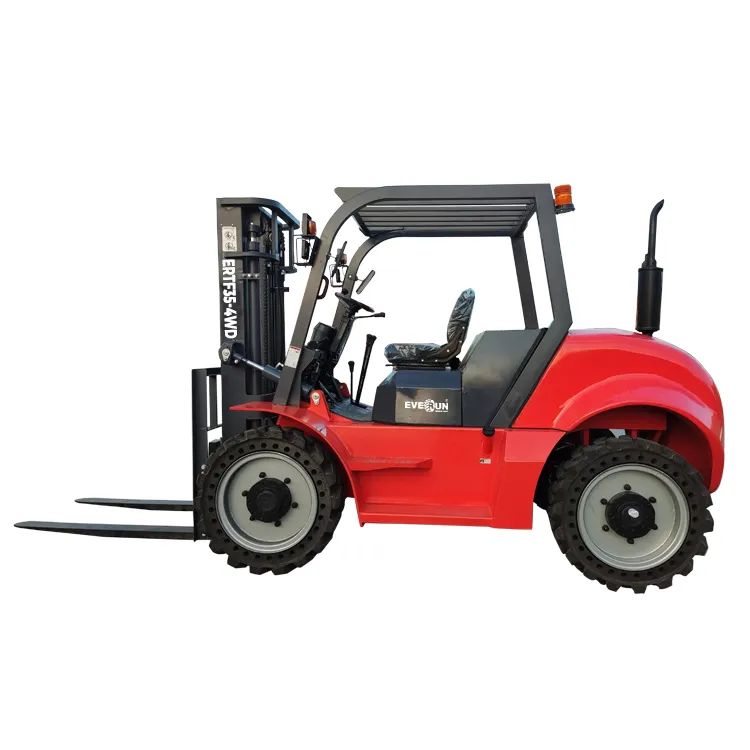
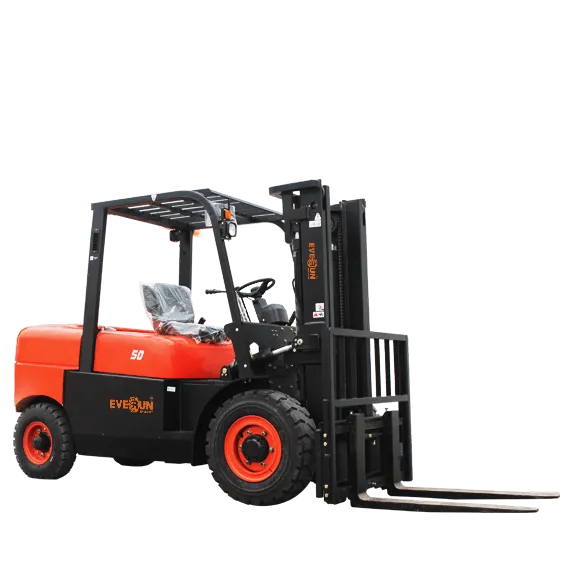
Small Wheel Loader-EVERUN ER425T
Pre-Operational Checks
Before starting the loader each day, a quick walk-around inspection can prevent many common issues. Check for any visible damage, ensure all tires have adequate pressure, and verify that all hydraulic hoses are intact and properly connected. Fluid levels, including engine oil, coolant, and hydraulic oil, should also be checked and topped up as necessary.
Fluids and Filters
Engine oil is the lifeblood of the wheel loader’s engine. Regularly changing the oil and oil filter as per the manufacturer’s recommendations is crucial. The hydraulic and coolant systems also rely on clean, full fluids to operate correctly. Filters should be inspected during each maintenance interval and replaced as needed to maintain fluid cleanliness.
Greasing and Lubrication
Grease is vital for the smooth operation of the wheel loader’s many moving parts. Identify all greasing points, and adhere to the recommended greasing intervals. Using the correct type of grease for each component is also important to prevent premature wear.
Tire Maintenance
Tires are often the most overlooked part of maintenance. Regularly check the pressure, look for signs of uneven wear or damage, and maintain a proper inflation level to extend tire life and ensure safe operation. Tire rotation can also help in even wear.
Electrical System
The battery should be checked regularly for water levels and corrosion on terminals. Inspect the wiring for any signs of wear or damage, and ensure all lighting and signaling systems are functioning correctly.
Hydraulic System
The hydraulic system is the backbone of the wheel loader’s lifting and loading capabilities. Regular checks of the hydraulic oil level and condition are necessary. Hoses should be inspected for leaks or damage and replaced as needed. The hydraulic pumps and motors should also be serviced according to the manufacturer’s guidelines.
Steering and Drivetrain
The steering system and drivetrain are critical for maneuverability and power delivery. Regularly inspect these components for wear and tear, and ensure that the wheel alignment is correct to prevent uneven tire wear and poor handling.
Regular Service Intervals
Following the manufacturer’s recommended service intervals is key to the longevity of the 938M Small Wheel Loader. These intervals will include more in-depth inspections and services such as brake adjustments, transmission fluid changes, and more.
Frame and Chassis
The frame and chassis of the wheel loader take a significant amount of stress during operation. Regularly check for any structural damage or cracks, and ensure that the chassis is clean and free from corrosive materials.
Safety Measures
Safety should never be compromised. Regularly check all safety features, including warning devices and emergency stop mechanisms. Operator training is also crucial to ensure that the wheel loader is used safely and correctly.
Winterizing and Storing
Preparing the wheel loader for winter operations or long-term storage requires specific steps to protect the machinery from the elements. This includes proper fluid selection, battery care, and the use of protective covers.
Cost Implications
While the cost of regular maintenance may seem high, it pales in comparison to the cost of major repairs or downtime. Investing in regular maintenance can save money in the long run and extend the life of the wheel loader.
Conclusion
Proper maintenance is not just an option but a necessity for the 938M Small Wheel Loader. By following the guidelines outlined in this guide, operators can ensure that their equipment operates safely, efficiently, and for a l