Introduction
Maintaining a small electric loader mini wheel loader is crucial to ensure its optimal performance, longevity, and safety. With the rise of electric-powered machinery in the construction and landscaping industries, understanding the specific maintenance needs of these machines is essential. In this article, we will delve into the comprehensive maintenance requirements for a small electric loader mini wheel loader.
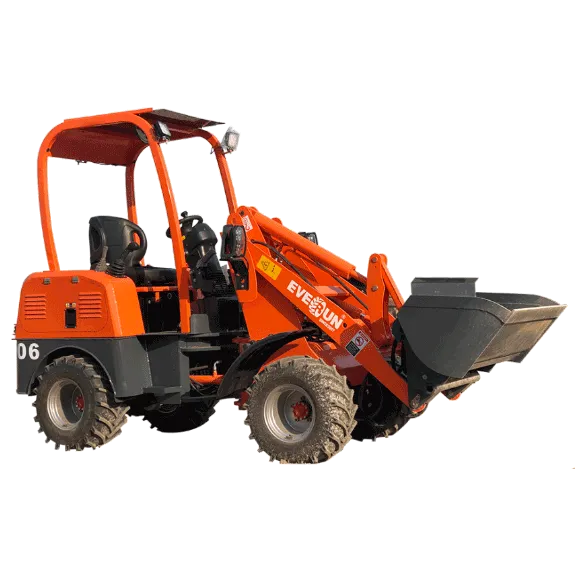
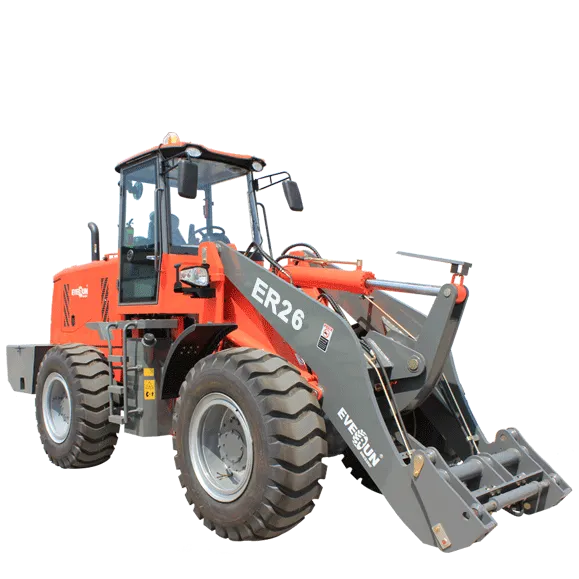
Electric Wheel Loader – EVERUN EREL06
Battery Maintenance
- Regular Inspection of the Battery
Regular inspection of the battery is essential to identify signs of wear, damage, or deterioration. Visual inspection should be conducted to check for any visible cracks, leaks, or corrosion on the battery casing. Any abnormalities should be addressed promptly to prevent potential damage to the battery and ensure safe operation.
- Cleaning and Maintenance of Battery Terminals and Connections
The cleanliness and proper maintenance of battery terminals and connections are crucial for efficient electrical conductivity and optimal performance. Over time, corrosion and buildup can accumulate on the terminals, hindering the flow of electricity. Cleaning the terminals and connections with a wire brush and applying a protective coating can help maintain good electrical contact and prolong the battery’s lifespan.
- Monitoring and Maintaining the Appropriate Electrolyte Levels
For batteries that require electrolyte maintenance, it is essential to monitor and maintain the appropriate electrolyte levels. Over time, the electrolyte levels can decrease due to evaporation or chemical reactions. Replenishing the electrolyte with distilled water or a specific electrolyte solution as per the manufacturer’s recommendations can help maintain the battery’s performance and longevity.
- Ensuring Proper Charging and Storage Procedures
Proper charging and storage procedures are crucial for maximizing the lifespan and performance of the battery. Overcharging or undercharging the battery can lead to reduced capacity and efficiency. Following the manufacturer’s guidelines for charging and storing the battery can help maintain its optimal condition and prolong its lifespan.
Electric Motor Maintenance
- Checking and Cleaning the Electric Motor
Regular checking and cleaning of the electric motor are essential to ensure its optimal performance and longevity. Dirt, debris, and contaminants can accumulate on the motor, hindering its efficiency and causing premature wear. Cleaning the motor with a soft brush and compressed air can help remove any buildup and maintain its performance.
- Inspection of Motor Bearings
Motor bearings play a crucial role in supporting and maintaining the smooth operation of the electric motor. Regular inspection of the motor bearings for signs of wear, damage, or misalignment is essential. Lubricating the bearings as per the manufacturer’s recommendations can help reduce friction and prolong their lifespan.
- Lubrication of Motor Components
Proper lubrication of motor components is essential to reduce friction, heat, and wear, ensuring the optimal performance and longevity of the electric motor. Using a high-quality lubricant suitable for electric motors and following the manufacturer’s recommendations for lubrication intervals and procedures is crucial.
- Monitoring and Addressing Unusual Noise or Vibrations
Monitoring the electric motor for any unusual noise or vibrations is essential to identify potential issues or malfunctions. Unusual noise or vibrations can indicate problems such as loose components, misalignment, or bearing failure. Addressing these issues promptly can help prevent further damage and ensure the safe and efficient operation of the electric motor.
Hydraulic System Maintenance
- Checking Hydraulic Fluid Levels
Regularly checking and maintaining the hydraulic fluid levels are essential to ensure the proper functioning of the hydraulic system. Low fluid levels can lead to reduced performance, increased wear, and potential damage to the hydraulic components. Replenishing or replacing the hydraulic fluid as needed and using the recommended fluid type is crucial for maintaining the hydraulic system’s optimal performance.
- Inspecting Hydraulic Hoses and Connections
Regular inspection of hydraulic hoses and connections for signs of leaks, wear, or damage is essential to prevent hydraulic fluid loss and ensure the safe and efficient operation of the hydraulic system. Any identified issues should be addressed promptly by repairing or replacing the affected hoses or connections.
- Checking and Maintaining Hydraulic System Filters
Regularly checking and maintaining the hydraulic system filters are crucial for removing contaminants and maintaining the cleanliness of the hydraulic fluid. Dirty or clogged filters can lead to reduced system performance, increased wear, and potential damage to the hydraulic components. Replacing the hydraulic filters at the recommended intervals and using high-quality filters is essential for the optimal performance and longevity of the hydraulic system.
- Ensuring the Proper Functioning of Hydraulic Cylinders and Seals
Regularly checking the hydraulic cylinders and seals for signs of wear, damage, or leaks is essential to prevent hydraulic fluid loss and ensure the safe and efficient operation of the hydraulic system. Any identified issues should be addressed promptly by repairing or replacing the affected cylinders or seals to prevent further damage and ensure the optimal performance of the hydraulic system.
Cooling System Maintenance
- Cleaning and Inspecting the Cooling System Components
Regular cleaning and inspection of the cooling system components are essential to ensure the proper functioning and efficiency of the cooling system. Dirt, debris, and contaminants can accumulate on the cooling system components, hindering their performance and causing potential overheating issues. Cleaning the cooling system components with compressed air or a soft brush can help remove any buildup and maintain their optimal performance.
- Checking Coolant Levels
Regularly checking and maintaining the coolant levels are crucial for preventing overheating and ensuring the optimal functioning of the cooling system. Low coolant levels can lead to reduced cooling efficiency, increased operating temperatures, and potential damage to the engine and other components. Replenishing or replacing the coolant as needed and using the recommended coolant type is essential for maintaining the cooling system’s optimal performance.
- Ensuring the Proper Functioning of Cooling Fans and Radiators
Regularly checking and maintaining the proper functioning of the cooling fans and radiators are essential to ensure the efficient operation of the cooling system. Malfunctioning cooling fans or clogged radiators can lead to reduced cooling efficiency, increased operating temperatures, and potential overheating issues. Cleaning the cooling fans and radiators and repairing or replacing any identified issues promptly can help maintain the optimal performance of the cooling system.
Electrical System Maintenance
- Checking and Tightening Electrical Connections and Terminals
Regularly checking and tightening the electrical connections and terminals are crucial for ensuring efficient electrical conductivity and preventing potential electrical issues or malfunctions. Loose or corroded connections can lead to poor electrical contact, increased resistance, and potential electrical failures. Cleaning and tightening the electrical connections and terminals with a wire brush and applying a protective coating can help maintain good electrical contact and prevent potential issues.
- Inspecting Wiring and Harnesses
Regular inspection of the wiring and harnesses for signs of wear, damage, or deterioration is essential to prevent potential electrical issues or malfunctions. Any identified issues should be addressed promptly by repairing or replacing the affected wiring or harnesses to ensure the safe and efficient operation of the electrical system.
- Ensuring the Proper Functioning of Switches, Controls, and Safety Features
Regularly checking and maintaining the proper functioning of switches, controls, and safety features are crucial for ensuring the safe and efficient operation of the electrical system. Malfunctioning switches, controls, or safety features can lead to potential electrical issues, operational problems, or safety hazards. Repairing or replacing any identified issues promptly and ensuring the proper calibration and functioning of the electrical system components can help maintain the optimal performance and safety of the electrical system.
Undercarriage and Drive System Maintenance
- Inspecting and Maintaining the Condition of Tracks or Tires
Regularly inspecting and maintaining the condition of the tracks or tires are essential to ensure the optimal performance and longevity of the undercarriage and drive system. Worn or damaged tracks or tires can lead to reduced traction, increased wear on the drive system components, and potential operational issues. Replacing the tracks or tires at the recommended intervals and maintaining proper track tension or tire pressure is crucial for the optimal performance and longevity of the undercarriage and drive system.
- Checking and Adjusting Track Tension or Tire Pressure
Regularly checking and adjusting the track tension or tire pressure as needed are crucial for ensuring the optimal performance and longevity of the undercarriage and drive system. Incorrect track tension or tire pressure can lead to reduced traction, increased wear on the drive system components, and potential operational issues. Adjusting the track tension or tire pressure to the recommended specifications and maintaining them within the optimal range is essential for the optimal performance and longevity of the undercarriage and drive system.
- Lubricating Drive System Components
Regular lubrication of the drive system components, including sprockets, rollers, and idlers, is essential to reduce friction, heat, and wear, ensuring the optimal performance and longevity of the undercarriage and drive system. Using a high-quality lubricant suitable for the drive system components and following the manufacturer’s recommendations for lubrication intervals and procedures is crucial.
- Ensuring the Proper Functioning of the Drive Motor and Transmission
Regularly checking and maintaining the proper functioning of the drive motor and transmission are crucial for ensuring the optimal performance and longevity of the undercarriage and drive system. Any unusual noise, vibrations, or operational issues should be addressed promptly by inspecting and repairing or replacing the affected drive motor or transmission components to prevent further damage and ensure the safe and efficient operation of the undercarriage and drive system.
General Inspection and Cleaning
- Regularly Inspecting the Overall Condition of the Machine
Regularly inspecting the overall condition of the machine for signs of wear, damage, or malfunction is essential to identify potential issues or problems. Any identified issues should be addressed promptly by repairing or replacing the affected components to prevent further damage and ensure the safe and efficient operation of the machine.
- Cleaning the Machine
Regularly cleaning the machine to remove dirt, debris, and corrosive substances is essential to prevent potential damage, reduce wear, and maintain the machine’s optimal performance and appearance. Using a soft brush, compressed air, and mild cleaning agents can help remove any buildup and maintain the cleanliness and condition of the machine.
- Checking and Maintaining the Condition of Lights, Mirrors, and Other External Components
Regularly checking and maintaining the condition of lights, mirrors, and other external components are crucial for ensuring the safe and efficient operation of the machine. Malfunctioning lights, damaged mirrors, or other defective external components can lead to safety hazards, reduced visibility, and potential operational issues. Repairing or replacing any identified issues promptly and ensuring the proper functioning and condition of the external components is essential for maintaining the optimal performance and safety of the machine.
Scheduled Maintenance and Service
- Following the Manufacturer’s Recommended Maintenance Schedule
Following the manufacturer’s recommended maintenance schedule and guidelines is crucial for ensuring the optimal performance, longevity, and safety of the small electric loader mini wheel loader. Performing routine service tasks, such as oil changes, filter replacements, system inspections, and other preventive maintenance activities, at the recommended intervals is essential for maintaining the machine’s optimal condition and preventing potential issues or malfunctions.
- Keeping Detailed Records of Maintenance Activities
Keeping detailed records of maintenance activities, including dates, tasks performed, and any issues identified and addressed, is essential for tracking the machine’s maintenance history, monitoring its condition and performance, and ensuring the timely and proper completion of all scheduled maintenance tasks and services.
Conclusion
Regular and thorough maintenance of a small electric loader mini wheel loader is essential to ensure its optimal performance, longevity, and safety. By following the comprehensive maintenance requirements and guidelines discussed in this article, you can maintain your machine’s optimal condition, prevent potential issues or malfunctions, and ensure safe and efficient operation. Investing time and effort in proper maintenance can help prolong the lifespan of your machine, reduce operating costs, and maximize its productivity and value for your operations.