Introduction
Battery-Electric Wheel Loaders are gaining significant attention in the construction and mining industries due to their environmental benefits and operational efficiency. As businesses and industries transition towards more sustainable solutions, understanding the maintenance requirements and associated costs of Battery-Electric Wheel Loaders becomes crucial. This article aims to delve into the key maintenance requirements and costs of Battery-Electric Wheel Loaders compared to traditional diesel-powered models.

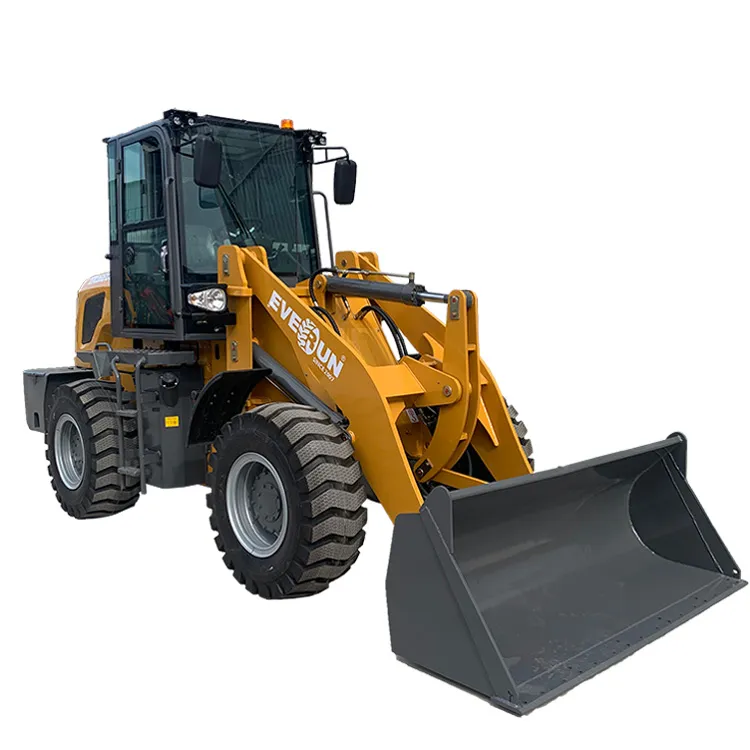
Electric Wheel Loader – EVERUN EREL1000
Key Maintenance Requirements
- Battery Maintenance
Charging Procedures and Guidelines
Battery maintenance is paramount for the optimal performance and longevity of a Battery-Electric Wheel Loader. Proper charging procedures include:
Regular Charging: Charging the battery after each use to maintain optimal charge levels.
Avoiding Overcharging: Preventing overcharging to avoid damaging the battery cells and reducing battery life.
Temperature Management: Monitoring and maintaining battery temperature within the recommended range to prevent overheating and potential damage.
Battery Cooling and Temperature Management
Batteries can generate heat during operation, which can affect their performance and lifespan. Key maintenance practices include:
Cooling Systems: Ensuring the cooling systems are functioning correctly to maintain optimal battery temperature.
Regular Inspection: Periodic inspection of the battery for signs of overheating and wear.
Regular Inspection for Wear and Tear
Regular inspection is essential to identify and address potential issues early on, including:
Visual Inspection: Checking for physical damages, leaks, and signs of wear.
Performance Testing: Conducting performance tests to assess battery efficiency and health.
- Electric Motor Maintenance
Inspection and Cleaning of the Electric Motor
Regular inspection and cleaning of the electric motor are crucial to maintain optimal performance:
Cleaning: Removing dirt, debris, and contaminants that can affect motor performance.
Visual Inspection: Checking for signs of wear, damage, and corrosion.
Monitoring for Signs of Overheating or Malfunction
Electric motors can overheat due to various reasons, affecting their performance and lifespan:
Temperature Monitoring: Regularly monitoring motor temperature and addressing any overheating issues promptly.
Performance Testing: Conducting performance tests to assess motor efficiency and health.
Lubrication and Maintenance of Moving Parts
Proper lubrication and maintenance of moving parts are essential for smooth operation and longevity:
Lubrication: Applying lubricants to moving parts to reduce friction and wear.
Regular Inspection: Periodic inspection of moving parts for signs of wear and damage.
- Hydraulic System Maintenance
Inspection of Hydraulic Fluid Levels and Quality
The hydraulic system plays a crucial role in the operation of a Wheel Loader, and regular maintenance is essential:
Fluid Levels: Checking hydraulic fluid levels and topping up as needed.
Fluid Quality: Monitoring the quality and condition of the hydraulic fluid and replacing as needed.
Maintenance of Hydraulic Pumps and Cylinders
The hydraulic pumps and cylinders are vital components of the hydraulic system and require regular maintenance:
Inspection: Regular inspection of pumps and cylinders for leaks, damages, and signs of wear.
Maintenance: Cleaning, repairing, and replacing hydraulic pumps and cylinders as needed.
Regular Checks for Leaks and Damages
Leakage in the hydraulic system can lead to reduced performance and potential damage:
Visual Inspection: Checking for visible leaks, damages, and signs of wear.
Pressure Testing: Conducting pressure tests to identify and address potential issues.
- Electronic System Maintenance
Monitoring and Updating Software as Needed
The electronic system controls and monitors various components of the Wheel Loader, and regular updates are essential:
Software Updates: Updating the software to the latest version to ensure optimal performance and compatibility.
Diagnostic Checks: Conducting regular diagnostic checks to identify and address potential issues.
Inspection of Electrical Connections and Wiring
Proper functioning of the electrical system is crucial for the overall performance of the Wheel Loader:
Visual Inspection: Checking electrical connections, wiring, and components for signs of wear, damage, and corrosion.
Testing: Conducting electrical tests to assess the performance and health of the electrical system.
Regular Diagnostic Checks for System Health
Regular diagnostic checks are essential to identify and address potential issues early on:
Diagnostic Tools: Using diagnostic tools to assess the health and performance of the electronic system.
Troubleshooting: Identifying and troubleshooting any issues or malfunctions.
- General Maintenance
Tire Inspection and Rotation
Tire maintenance is crucial for the optimal performance and safety of the Wheel Loader:
Tire Inspection: Regularly checking tires for signs of wear, damage, and proper inflation.
Tire Rotation: Rotating tires regularly to ensure even wear and extend tire life.
Brake System Inspection and Maintenance
The brake system is a vital safety component of the Wheel Loader and requires regular maintenance:
Brake Inspection: Regularly checking brake pads, discs, and fluid levels for signs of wear and damage.
Brake Maintenance: Cleaning, repairing, and replacing brake components as needed.
Chassis and Body Inspection for Damages or Wear
Regular inspection of the chassis and body is essential to identify and address potential issues:
Visual Inspection: Checking the chassis and body for signs of wear, damages, and corrosion.
Repair and Maintenance: Repairing and maintaining the chassis and body as needed.
Key Maintenance Costs
- Battery Replacement or Upgrade
Cost of Replacement Batteries
Battery replacement can be a significant maintenance cost for Battery-Electric Wheel Loaders:
Battery Cost: The cost of replacement batteries can vary significantly depending on the brand, capacity, and technology.
Frequency of Replacement: The frequency of battery replacements can vary depending on usage, maintenance, and battery lifespan.
Electric Motor Servicing
Cost of Motor Maintenance and Repairs
Maintenance and repair costs for electric motors can also be a significant expense:
Motor Servicing Cost: The cost of regular motor servicing and maintenance can vary depending on the complexity and extent of the work needed.
Motor Repair Cost: The cost of repairing or replacing electric motors can be significant and varies depending on the motor type and model.
- Hydraulic System Repairs
Cost of Hydraulic Fluid and Filter Replacements
Maintenance and repair costs for the hydraulic system can also be significant:
Fluid and Filter Cost: The cost of hydraulic fluid and filter replacements can vary depending on the brand, type, and quality.
Repair Cost: The cost of repairing or replacing hydraulic pumps, cylinders, and other components can be significant and varies depending on the extent of the damage and required repairs.
- Electronic System Repairs
Cost of Software Updates and System Diagnostics
Maintenance and repair costs for the electronic system can be significant:
Software Update Cost: The cost of software updates and system diagnostics can vary depending on the brand and complexity of the system.
Repair Cost: The cost of repairing or replacing electrical components, wiring, and connections can be significant and varies depending on the extent of the damage and required repairs.
- General Maintenance Costs
Costs for Tire Replacements and Rotations
Tire maintenance costs can be a regular expense:
Tire Replacement Cost: The cost of tire replacements can vary depending on the tire brand, size, and quality.
Tire Rotation Cost: The cost of tire rotations is generally lower but can add up over time.
Costs for Brake System Maintenance and Repairs
Brake system maintenance and repair costs can also be significant:
Brake Maintenance Cost: The cost of regular brake maintenance and repairs can vary depending on the complexity and extent of the work needed.
Brake Repair Cost: The cost of repairing or replacing brake components can be significant and varies depending on the extent of the damage and required repairs.
Costs for Chassis and Body Repairs
Chassis and body maintenance and repair costs can be variable:
Repair Cost: The cost of repairing and maintaining the chassis and body can vary depending on the extent of the damage and required repairs.
Comparison with Diesel-Powered Wheel Loaders
When comparing the maintenance requirements and costs of Battery-Electric Wheel Loaders with diesel-powered models, several key differences and similarities emerge:
Battery vs. Fuel Costs: Battery-Electric Wheel Loaders require regular battery replacements, which can be a significant expense compared to the ongoing fuel costs of diesel-powered models.
Electric Motor vs. Diesel Engine Maintenance: Electric motors generally require less maintenance than diesel engines, resulting in potentially lower maintenance costs for Battery-Electric Wheel Loaders.
Hydraulic and General Maintenance Costs: Maintenance costs for the hydraulic system and general components are comparable between Battery-Electric and diesel-powered models.
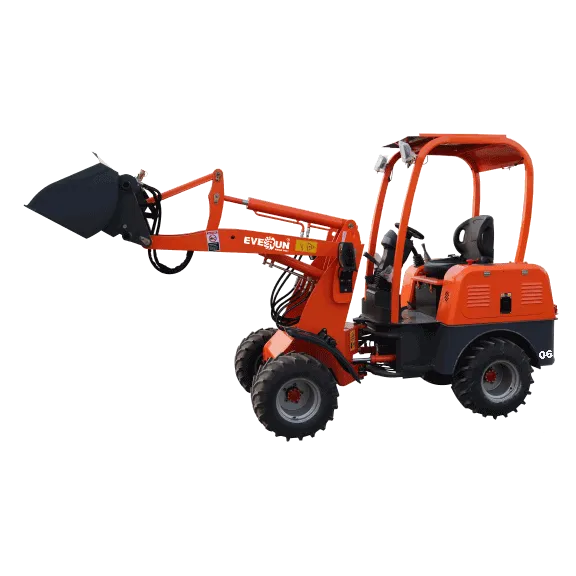
Electric Wheel Loader – EVERUN EREL06
Conclusion
In conclusion, understanding the key maintenance requirements and costs associated with Battery-Electric Wheel Loaders is crucial for businesses and industries considering the transition to more sustainable and environmentally friendly solutions. While Battery-Electric Wheel Loaders offer several advantages in terms of reduced emissions, operational efficiency, and potentially lower maintenance costs for certain components, they also present unique maintenance challenges and costs, particularly related to battery maintenance and replacement.