Introduction
Wheel loaders are indispensable machines in the construction industry, known for their versatility and efficiency in handling various heavy-duty tasks. These robust machines are primarily used for loading materials into trucks, moving debris, and performing various earthmoving activities. Given the demanding nature of construction projects, selecting the right wheel loader with suitable features is crucial for maximizing productivity and efficiency. This article delves into the key features to consider when choosing a powerful wheel loader for heavy-duty construction tasks, ensuring that you make an informed decision that meets your operational needs.

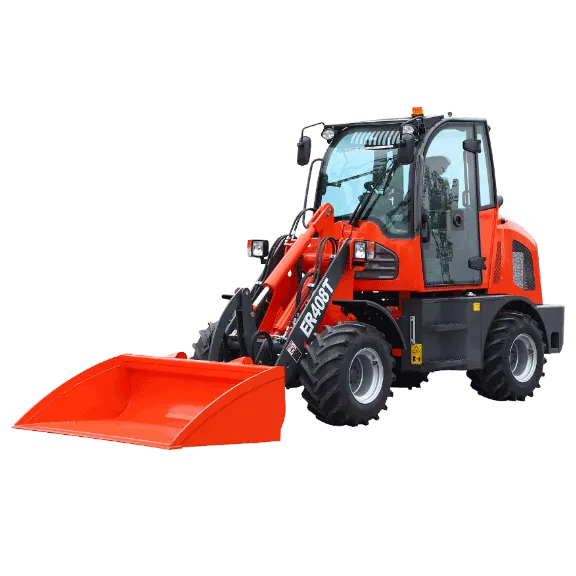
Medium Wheel Loaders-EVERUN ER60
Engine Power and Performance
Importance of Engine Power in Heavy-Duty Construction
Engine power is a critical factor in determining a wheel loader’s capability to handle heavy-duty tasks. In construction, where operations often involve lifting and transporting large volumes of materials, a powerful engine ensures that the loader can perform efficiently and effectively.
Key Metrics: Horsepower, Torque, and Fuel Efficiency
When evaluating engine power, three key metrics should be considered: horsepower, torque, and fuel efficiency.
Horsepower: This is a measure of the engine’s overall power output. A higher horsepower rating means the loader can perform more strenuous tasks without strain, such as lifting heavy loads or operating continuously over long periods.
Torque: Torque measures the engine’s rotational force, which is crucial for providing the necessary power to the loader’s wheels and attachments. High torque is essential for achieving strong and consistent performance, especially when dealing with heavy materials and challenging terrain.
Fuel Efficiency: Fuel efficiency is a measure of how effectively the loader uses fuel to perform its tasks. Efficient engines reduce operational costs and environmental impact by minimizing fuel consumption.
Benefits of High-Performance Engines
High-performance engines provide several benefits that enhance the overall productivity and efficiency of wheel loaders:
Handling Heavy Loads: A powerful engine ensures that the loader can handle heavy loads without compromising performance, allowing for more efficient material handling and reduced cycle times.
Improving Cycle Times: High-performance engines enable faster cycle times, meaning that tasks such as loading and transporting materials can be completed more quickly, increasing overall productivity.
Enhancing Overall Productivity: With greater power and efficiency, wheel loaders can operate for longer periods without overheating or requiring maintenance, ensuring continuous and reliable performance on the job site.
Lift Capacity and Height
Determining the Required Lift Capacity for Specific Tasks
Lift capacity is a crucial factor to consider when selecting a wheel loader, as it determines the maximum weight the loader can lift. To choose the right lift capacity, it is essential to assess the specific tasks the loader will perform. For example, construction projects involving large volumes of soil, gravel, or construction debris will require a loader with a higher lift capacity to handle the materials efficiently.
Importance of Lift Height for Loading Trucks and High Piles
Lift height is equally important, as it determines how high the loader can raise its bucket or attachments. This feature is particularly crucial for loading materials into high-sided trucks or creating tall piles of materials. A loader with adequate lift height ensures that materials can be loaded and unloaded efficiently without requiring additional equipment or manual intervention.
Comparison of Lift Capacity and Height Among Different Models
Different wheel loader models offer varying lift capacities and heights. It is essential to compare these specifications to select a loader that meets the demands of your specific construction tasks. For instance, some models are designed for high lift heights, making them suitable for applications such as stacking materials, while others focus on high lift capacity for heavy material handling.
Benefits of Adequate Lift Capacity and Height
Versatility in Handling Materials: A loader with the appropriate lift capacity and height can handle a wide range of materials and tasks, increasing its versatility and usefulness on the job site.
Efficiency in Loading and Unloading: Adequate lift capacity and height ensure that materials can be loaded and unloaded quickly and efficiently, reducing downtime and improving overall productivity.
Advanced Hydraulic Systems
Role of Hydraulic Systems in Wheel Loader Performance
Hydraulic systems play a pivotal role in the performance of wheel loaders, as they control the movement of the loader’s boom, bucket, and other attachments. Advanced hydraulic systems enhance the machine’s efficiency, precision, and control, making them a critical feature for heavy-duty construction tasks.
Key Features of Advanced Hydraulic Systems
Variable Displacement Pumps: These pumps adjust the flow of hydraulic fluid based on the load requirements, providing optimal performance and efficiency. This feature ensures that the loader uses only the necessary amount of power, reducing fuel consumption and wear on the hydraulic components.
Flow-Sharing Capabilities: Flow-sharing systems distribute hydraulic fluid to multiple functions simultaneously, allowing the loader to perform complex tasks more efficiently. This capability is particularly useful when operating multiple attachments or performing simultaneous movements, such as lifting and tilting the bucket.
Hydraulic Quick Couplers: Quick couplers enable fast and easy attachment changes, enhancing the loader’s versatility and reducing downtime. This feature allows operators to switch between attachments quickly, adapting to different tasks without interrupting workflow.
Benefits of Advanced Hydraulics
Smoother Operation: Advanced hydraulic systems provide smoother and more precise control over the loader’s movements, improving the operator’s ability to perform tasks accurately and efficiently.
Enhanced Control and Precision: Improved hydraulic systems offer greater control and precision, allowing operators to handle materials with greater accuracy and reduce the risk of damage to the loader or the materials being moved.
Faster Cycle Times: Efficient hydraulic systems contribute to faster cycle times by enabling quicker and more fluid movements, increasing overall productivity on the job site.
Durability and Build Quality
Importance of Durability in Heavy-Duty Environments
In heavy-duty construction environments, wheel loaders are subjected to intense wear and tear. Therefore, durability is a critical factor to consider when selecting a wheel loader. A durable machine ensures long-term reliability and reduces the frequency of maintenance and repairs.
Key Construction Materials and Design Elements
Reinforced Frames: Wheel loaders designed for heavy-duty tasks often feature reinforced frames that provide additional strength and stability. These frames are built to withstand the stresses of lifting and moving heavy materials, ensuring long-lasting performance.
Heavy-Duty Axles and Drivetrains: Robust axles and drivetrains are essential for handling the high loads and rough terrain common in construction sites. These components should be designed to endure the rigors of heavy-duty use without frequent breakdowns.
High-Quality Hydraulic Components: The durability of hydraulic components, such as cylinders, hoses, and pumps, is crucial for maintaining the loader’s performance. High-quality hydraulic systems reduce the risk of leaks and failures, ensuring reliable operation.
Benefits of Durable Construction
Longer Machine Life: Durable wheel loaders have a longer operational lifespan, providing better value for the investment and reducing the need for frequent replacements.
Reduced Maintenance Costs: Machines built with high-quality, durable components require less frequent maintenance and repairs, lowering overall maintenance costs and minimizing downtime.
Improved Reliability and Uptime: Durable construction ensures that the loader remains operational and reliable, even in the most demanding conditions, enhancing productivity and efficiency on the job site.
Operator Comfort and Ergonomics
Impact of Operator Comfort on Productivity and Safety
Operator comfort and ergonomics are critical factors that directly impact productivity and safety. Comfortable operators are less likely to experience fatigue and stress, which can lead to increased focus, efficiency, and safety.
Key Ergonomic Features to Consider
Adjustable Seats and Controls: Ergonomically designed seats and controls that can be adjusted to fit the operator’s preferences reduce physical strain and improve comfort during long shifts.
Climate-Controlled Cabs: Climate-controlled cabs provide a comfortable working environment, regardless of external weather conditions. Features such as heating, air conditioning, and ventilation help maintain a consistent and pleasant temperature.
Low Noise and Vibration Levels: Reducing noise and vibration levels within the cab helps prevent operator fatigue and hearing damage, contributing to a safer and more comfortable working environment.
Benefits of Ergonomic Design
Reduced Operator Fatigue: Ergonomic features minimize physical strain and discomfort, reducing operator fatigue and allowing for longer, more productive work shifts.
Improved Focus and Efficiency: Comfortable operators are more focused and efficient, leading to higher productivity and better task performance.
Enhanced Safety: By reducing fatigue and discomfort, ergonomic design features contribute to a safer working environment, lowering the risk of accidents and injuries.
Safety Features
Importance of Safety in Construction Environments
Safety is a paramount concern in construction environments, where the risk of accidents and injuries is high. Incorporating advanced safety features into wheel loaders helps protect operators and other workers on the job site.
Key Safety Features in Modern Wheel Loaders
Rollover Protection Systems (ROPS): ROPS are designed to protect operators in the event of a rollover, preventing serious injuries and fatalities.
Falling Object Protection Systems (FOPS): FOPS provide a protective structure to shield operators from falling objects, such as debris or materials, enhancing safety during operations.
Backup Cameras and Sensors: Backup cameras and sensors improve visibility and awareness, helping operators avoid obstacles and preventing collisions.
Stability Controls and Alarms: Stability control systems monitor the loader’s stability and provide warnings or automatic adjustments to prevent tipping and maintain balance.
Benefits of Advanced Safety Features
Reduced Risk of Accidents and Injuries: Advanced safety features help prevent accidents and injuries, protecting operators and other workers on the job site.
Compliance with Safety Regulations: Incorporating safety features ensures that wheel loaders meet industry safety standards and regulations, reducing liability and enhancing overall safety.
Peace of Mind for Operators and Site Managers: Knowing that the loader is equipped with advanced safety features provides peace of mind for operators and site managers, allowing them to focus on their tasks with confidence.
Advanced Technology and Connectivity
Role of Technology in Enhancing Wheel Loader Performance
Technological advancements play a significant role in enhancing the performance, efficiency, and management of wheel loaders. Modern loaders are equipped with various technological features that improve their operation and provide valuable data for fleet management.
Key Technological Features to Consider
Telematics Systems: Telematics systems provide real-time data on the loader’s performance, location, and usage. This information can be used for monitoring, diagnostics, and optimizing operations.
GPS and Machine Control Systems: GPS and machine control systems enhance precision and efficiency in tasks such as grading, digging, and material placement. These systems help operators achieve accurate results with less effort.
Advanced Diagnostic and Monitoring Tools: Advanced diagnostic tools allow for proactive maintenance by identifying potential issues before they become major problems. Monitoring tools provide insights into machine health and performance, aiding in maintenance planning and decision-making.
Benefits of Advanced Technology
Improved Fleet Management: Telematics and GPS systems provide valuable data that helps in managing and optimizing the use of wheel loaders, leading to better resource allocation and reduced operational costs.
Enhanced Operational Efficiency: Advanced technology features improve the efficiency and accuracy of tasks, reducing rework and increasing overall productivity.
Predictive Maintenance Capabilities: Diagnostic and monitoring tools enable predictive maintenance, reducing the risk of unexpected breakdowns and extending the machine’s lifespan.
Versatility and Attachment Options
Importance of Versatility in Wheel Loaders
Versatility is a crucial factor that enhances the usefulness of wheel loaders on construction sites. A versatile loader can perform a wide range of tasks, reducing the need for multiple machines and optimizing operational efficiency.
Common Attachments and Their Uses
Buckets (General Purpose, Multi-Purpose, High Dump): Buckets are the most common attachments used for material handling, digging, and loading. Different types of buckets are designed for specific tasks, such as general-purpose loading or high dump applications.
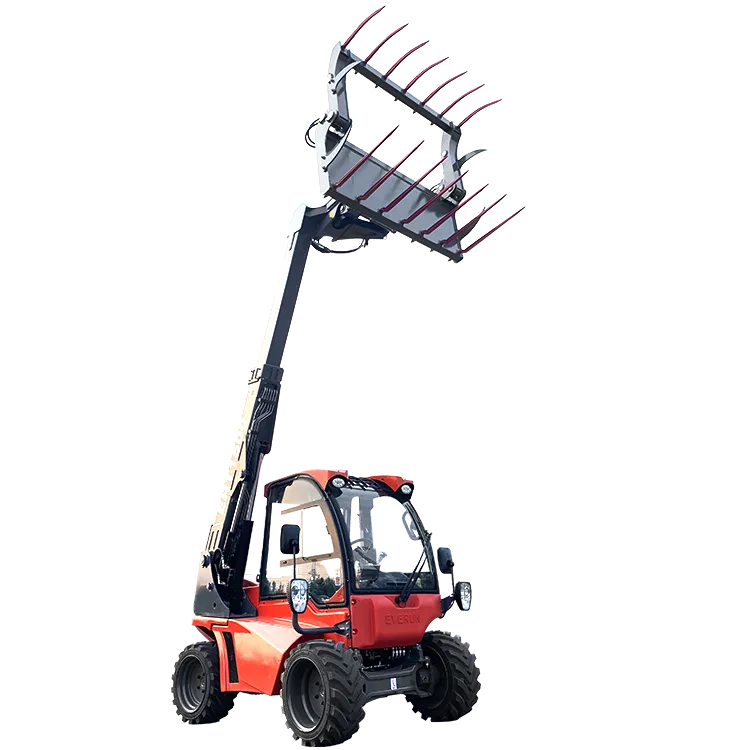
Forks and Grapples: Forks and grapples are used for handling materials such as pallets, logs, and debris. These attachments are essential for tasks that require precise handling and placement.
Snow Plows and Sweepers: Snow plows and sweepers are used for clearing snow and debris from construction sites, ensuring safe and efficient operations during adverse weather conditions.
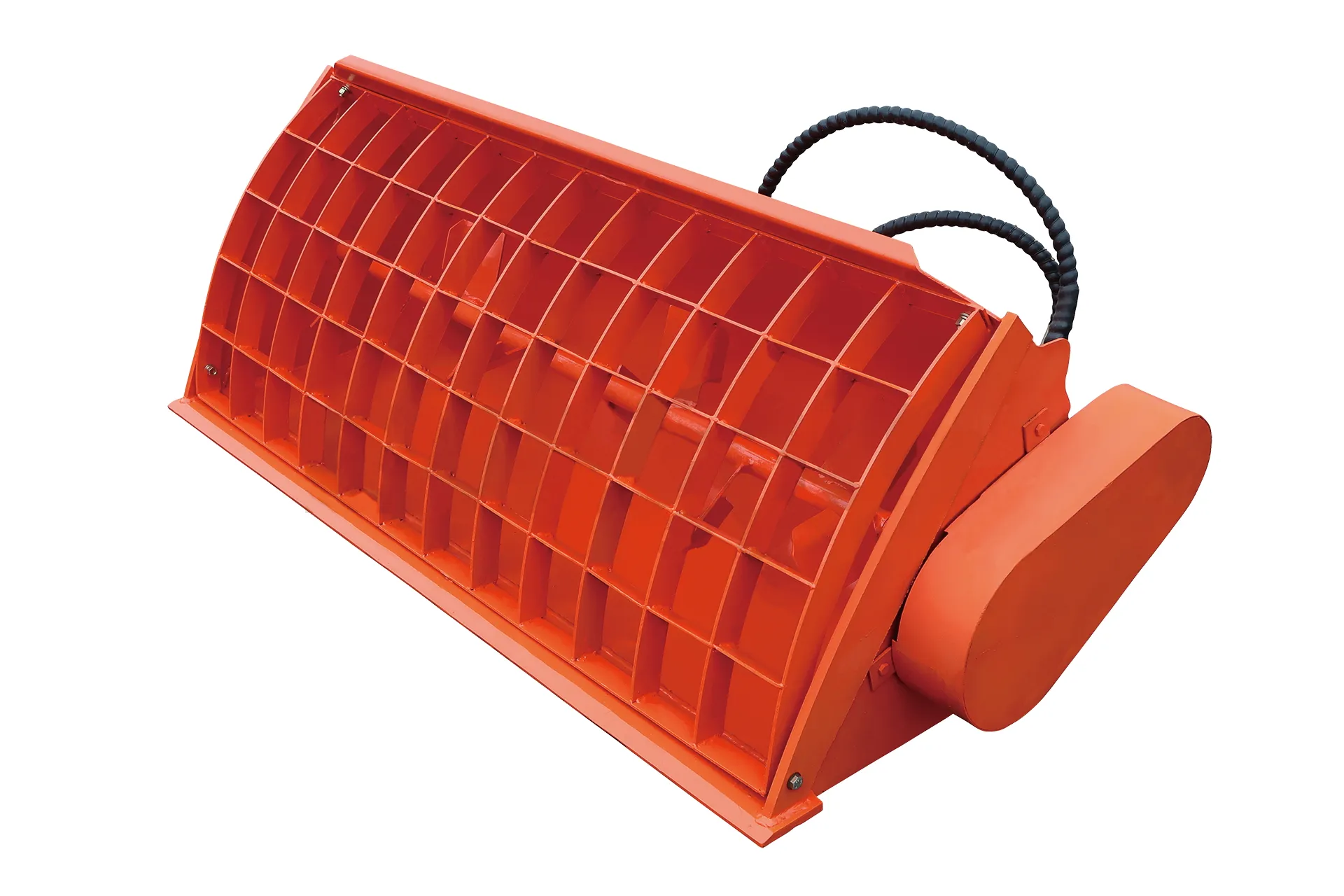
Specialized Attachments (Log Handlers, Pipe Grapples): Specialized attachments are designed for specific tasks, such as handling logs or pipes. These attachments enhance the loader’s versatility and capability to perform specialized tasks.
Benefits of Versatile Attachment Options
Ability to Perform a Wide Range of Tasks: Versatile attachment options allow the loader to handle various tasks, increasing its usefulness and efficiency on the job site.
Increased Machine Utilization: By using different attachments, operators can maximize the loader’s utilization, reducing downtime and improving overall productivity.
Cost Savings by Reducing the Need for Multiple Machines: Versatility in attachments reduces the need to invest in multiple machines for different tasks, resulting in significant cost savings and streamlined operations.
Cost of Ownership
Factors Influencing the Total Cost of Ownership
The total cost of ownership (TCO) of a wheel loader includes various factors beyond the initial purchase price. Understanding these factors is essential for making an informed investment decision.
Initial Purchase Price: The upfront cost of the loader, including any additional attachments and options, is a significant factor in the TCO.
Fuel Efficiency: Fuel costs are a major operating expense. Fuel-efficient loaders reduce overall fuel consumption, leading to cost savings.
Maintenance and Repair Costs: Regular maintenance and repairs are necessary to keep the loader in optimal condition. Durable components and advanced diagnostic tools can reduce these costs.
Resale Value: The resale value of the loader at the end of its operational life contributes to the TCO. Machines with high resale value offer better returns on investment.
Importance of Evaluating Long-Term Costs
Evaluating long-term costs is crucial for understanding the true value of a wheel loader. A machine with a lower initial purchase price may have higher operating and maintenance costs, while a more expensive loader with better fuel efficiency and durability may offer lower TCO over its lifespan.
Tips for Managing Ownership Costs Effectively
Regular Maintenance: Adhering to a regular maintenance schedule ensures the loader operates efficiently and reduces the risk of costly repairs.
Operator Training: Proper training for operators enhances productivity, reduces the risk of accidents, and minimizes wear and tear on the machine.
Monitoring and Diagnostics: Using advanced monitoring and diagnostic tools helps identify potential issues early, enabling proactive maintenance and reducing downtime.
Conclusion
Selecting the right wheel loader for heavy-duty construction tasks involves considering various key features, including engine power, lift capacity, hydraulic systems, durability, operator comfort, safety features, advanced technology, versatility, and cost of ownership. By evaluating these factors, construction professionals can choose a wheel loader that meets their specific needs, enhances productivity, reduces operational costs, and provides long-term value. Investing in a powerful, versatile, and reliable wheel loader is a strategic decision that can significantly impact the efficiency and success of construction projects.