Introduction
The wheel loader is a versatile piece of heavy machinery that has become indispensable in construction sites, mining operations, and agriculture. Known for its ability to move substantial amounts of material quickly and efficiently, the wheel loader is a critical component in the success of many projects. When it comes to purchasing a high-quality wheel loader, especially from the wholesale Chinese market, there are several key features to consider. This article will delve into the most important aspects to ensure you make an informed decision.
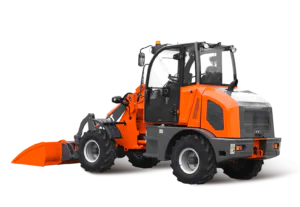
Wheel Loader
Engine Performance
The engine is the heart of any wheel loader. It provides the power necessary to perform the heavy lifting and moving tasks. When evaluating engine performance, consider the following:
Power and Torque Specifications: Look for a wheel loader with an engine that offers high horsepower and torque. This ensures that the machine can handle the demands of the job without straining the engine.
Fuel Efficiency: A fuel-efficient engine can save you a significant amount on operational costs in the long run. Look for engines with advanced fuel management systems.
Engine Brand and Reliability: Established brands often have a proven track record for reliability and longevity. Research the engine’s reputation in the industry before making a decision.
Lifting Capacity and Reach
The ability to lift and move heavy loads is the primary function of a wheel loader. Key specifications to consider include:
Maximum Lifting Height: This determines how high the loader can lift the load. Higher is generally better, but it also depends on the specific needs of your operation.
Bucket Capacity: The size of the bucket directly impacts how much material can be moved at once. Larger buckets are more efficient for moving larger amounts of material.
Reach and Dump Height: The reach and dump height are crucial for loading trucks or placing material in elevated areas.
Hydraulic System
The hydraulic system is responsible for the loader’s lifting and lowering functions. It’s essential to ensure this system is robust and reliable:
Type of Hydraulic System: Open-center systems are generally less expensive but can be less efficient. Closed-center systems offer better control and efficiency but are more expensive.
Flow Rate and Pressure: Higher flow rates and pressures allow for faster cycle times and more precise control.
Hydraulic Hose Quality and Durability: The hoses should be able to withstand high pressure and resist wear and tear.
Transmission and Drivetrain
The transmission and drivetrain are critical for the loader’s mobility and performance:
Gearbox Options: Manual gearboxes offer more control but require more skill to operate. Automatic gearboxes are easier to use but may not offer the same level of control.
Axle and Differential Types: Look for wheel loaders with robust axles and differentials designed to handle the torque and weight of the machine.
Torque Converter Specifications: A good torque converter will provide smooth and efficient power transfer to the wheels.
Cab Comfort and Ergonomics
Operator comfort and ergonomics are essential for long hours of operation:
Visibility from the Operator’s Seat: Good visibility is crucial for safe operation and efficiency.
Noise Level Inside the Cab: A quieter cab can reduce operator fatigue and improve comfort.
Ergonomic Design of Controls and Seating: Controls should be intuitive and easy to reach. The seat should be adjustable and comfortable for long periods.
Safety Features
Safety should never be compromised:
Roll-Over Protective Structures (ROPS): Ensure the wheel loader has a strong ROPS to protect the operator in the event of a roll-over.
Fallback Devices: These can help prevent the operator from falling out of the cab during a roll-over.
Backup Cameras and Sensors: These can help the operator see what’s behind the loader, reducing the risk of accidents.
Reliability and Durability
Longevity is a key factor in the value of a wheel loader:
Build Quality and Materials Used: High-quality materials and construction will ensure the wheel loader lasts longer with fewer repairs.
Common Issues and Their Solutions: Research common problems with the model you’re considering and how they can be resolved.
Warranty Coverage and After-Sales Service: A good warranty and reliable after-sales service can give you peace of mind.
Fuel Efficiency and Emission Standards
Modern machinery must be both fuel-efficient and environmentally friendly:
Compliance with Environmental Regulations: Ensure the wheel loader meets current emission standards.
Fuel Consumption Rates: Lower fuel consumption means lower operating costs.
Eco-Friendly Features: Look for features like Tier 4 engines that are designed to be more environmentally friendly.
Maintenance and Operating Costs
Consider the total cost of ownership:
Routine Maintenance Schedule: Regular maintenance is crucial for keeping the loader running smoothly.
Availability of Spare Parts: It should be easy to find and replace parts as needed.
Estimated Lifetime and Resale Value: A high-quality wheel loader will have a longer lifespan and a better resale value.
Attachments and Versatility
The ability to use different attachments can greatly increase the utility of the loader:
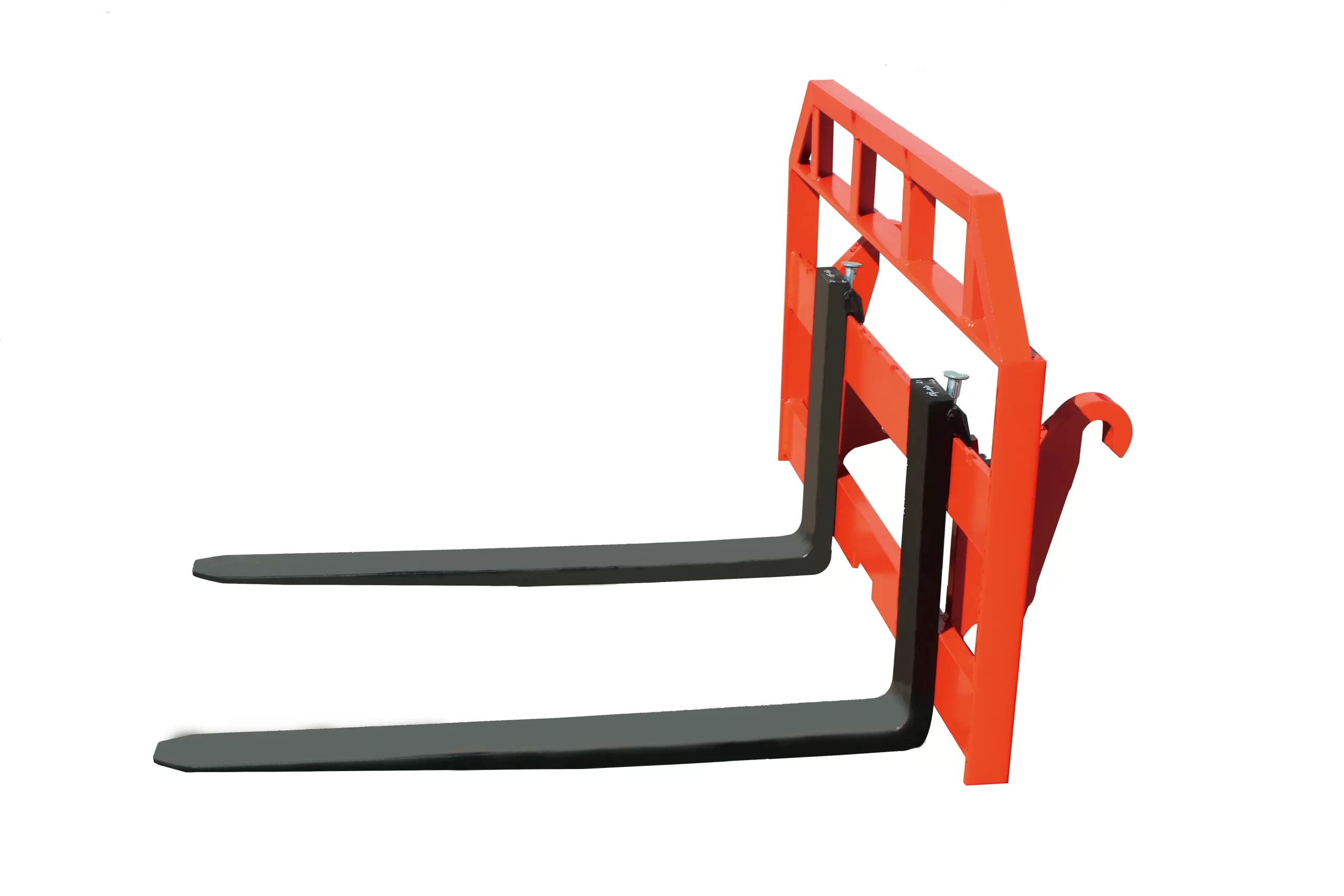
Standard and Optional Attachments: Look for loaders that can accommodate a variety of attachments to suit different jobs.
Quick Coupler Systems: These allow for quick and easy switching between attachments.
Multi-Purpose Use Capabilities: A versatile loader can be used for a wide range of tasks.
Brand Reputation and Customer Support
The reputation of the manufacturer and the quality of customer support are important considerations:
Reputation of the Manufacturer: A well-regarded manufacturer is more likely to produce high-quality machines.
Customer Reviews and Testimonials: Look for reviews from other customers to gauge the quality and reliability of the wheel loader.
Availability of Customer Support and Service Network: Good customer support can make a big difference when you need help or repairs.
Price and Value for Money
While price is an important factor, it should not be the only consideration:
Comparison with Other Brands and Models: Compare the features and price of different models to ensure you’re getting the best value.
Total Cost of Ownership: Consider not just the purchase price but also the operating and maintenance costs.
Financing Options and Purchase Incentives: Look for financing options that fit your budget and any purchase incentives that may be available.
Case Studies and Real-world Applications
Understanding how the wheel loader performs in real-world scenarios can be very informative:
Success Stories of the Wheel Loader in Action: Look for case studies or testimonials that show the loader in action.
Industry-Specific Use Cases: Consider how the loader will be used in your specific industry and look for examples that are relevant.
Performance in Various Terrains and Conditions: The loader should perform well in a variety of conditions and terrains.
Conclusion
When purchasing a high-quality wholesale Chinese wheel loader, it’s crucial to consider a range of factors from engine performance to safety features, and from maintenance costs to brand reputation. By taking the time to thoroughly evaluate each aspect, you can ensure that you choose a wheel loader that will serve you well for years t