Introduction
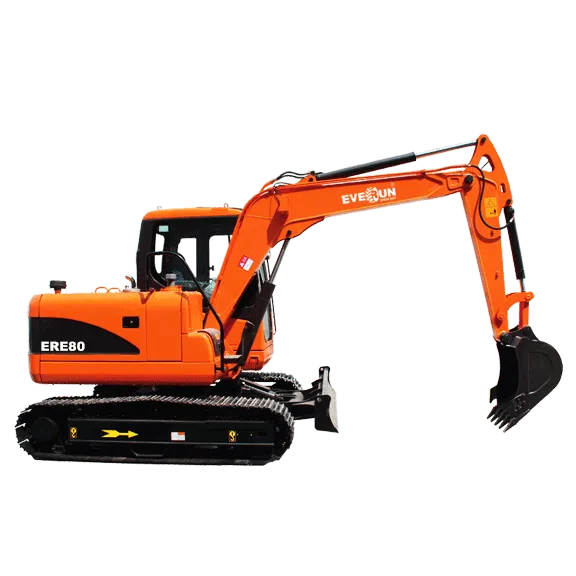
A small excavator is a versatile piece of construction equipment that is ideal for a variety of tasks, from digging trenches and foundations to landscaping and demolition work. With so many options on the market, choosing the right high-quality small excavator can be a daunting task. This article will guide you through the essential features to consider when selecting a small excavator to ensure you get the best value for your investment.

Crawler Excavator – EVERUN ERE18H
Engine and Powertrain
At the heart of every excavator is its engine. The engine’s size and horsepower determine the machine’s digging and lifting capabilities. A high-quality excavator will have an engine that meets the following criteria:
- Engine Size and Horsepower: Choose an engine that balances power with the size of the jobs you intend to undertake.
- Fuel Efficiency: Look for engines with good fuel economy to reduce operational costs.
- Emission Standards Compliance: Ensure the excavator meets current emission standards for environmental responsibility.
- Transmission Type and Reliability: The transmission should be robust, offering smooth operation and minimal maintenance.
Hydraulic System
The hydraulic system is what makes the excavator’s movements possible. Key aspects include:
- Boom and Arm Cylinder Performance: High-quality excavators have precise and powerful hydraulic systems for efficient operation.
- Hydraulic Flow and Pressure: The system should provide adequate flow and pressure for quick and accurate movements.
- Control System Responsiveness: Modern excavators often feature electronic control systems for better precision and control.
- Hydraulic Oil Filtration and Cooling: Effective filtration and cooling systems protect the hydraulic components from contamination and overheating.
Stability and Undercarriage
The undercarriage is crucial for the excavator’s stability and mobility:
- Track or Wheel Configuration: Depending on your needs, choose between tracked or wheeled excavators.
- Ground Pressure and Stability: The excavator should have low ground pressure for working on sensitive terrain.
- Undercarriage Durability and Maintenance: Durable tracks or wheels with easy maintenance are a mark of quality.
- Track Tension and Wheel Condition: Regular checks and adjustments ensure optimal performance.
Operator Comfort and Safety
The operator’s comfort and safety are paramount:
- Cab Design and Visibility: A spacious cab with good visibility is essential for safe operation.
- Seating and Ergonomic Controls: Adjustability and ergonomic design reduce operator fatigue.
- Safety Features: Rollover protection, emergency stops, and other safety features are critical.
- Climate Control and Noise Reduction: A comfortable working environment with minimal noise pollution.
Size and Reach
The physical dimensions and reach of the excavator are important:
- Bucket Digging Depth and Reach: The excavator should have adequate reach and digging depth for your projects.
- Swing Radius and Versatility: A wide swing radius increases the machine’s versatility.
- Compact Size for Tight Spaces: Small excavators should be compact enough to navigate tight spaces.
Boom Length and Configuration Options: Consider different boom lengths and configurations for specific tasks.
Attachment Compatibility
The ability to change attachments quickly and easily is a significant advantage:
- Range of Available Attachments: A wide range of attachments allows for greater versatility.
- Quick Coupler Systems: These systems enable fast and easy attachment changes.
- Customization Options for Specific Tasks: Some excavators offer customization for specialized tasks.
Ease of Attachment Installation and Removal: The process should be straightforward to minimize downtime.
Performance and Efficiency
The excavator’s performance and efficiency are critical for productivity:
- Digging and Lifting Capabilities: The machine should meet your project’s demands.
- Swing Speed and Cycle Times: Faster swing speeds and cycle times increase productivity.
- Fuel Consumption During Operation: Efficient machines consume less fuel, reducing costs.
- Total Cost of Ownership: Consider the long-term costs, including maintenance and repairs.
Serviceability and Maintenance
Ease of service and maintenance are key to minimizing downtime:
- Accessibility of Service Points: Service points should be easily accessible for routine checks.
- Frequency and Ease of Maintenance Tasks: Regular maintenance should be straightforward.
- Availability of Spare Parts: Common parts should be readily available.
- Manufacturer’s Support and Warranty: A good warranty and manufacturer support are essential.
Technology and Innovations
Modern technology can enhance the excavator’s capabilities:
- Electronic Monitoring Systems: These systems provide real-time data on machine performance.
- Remote Control and Automation Capabilities: Some excavators offer remote operation for added safety.
- Use of Smart Technology for Diagnostics and Repairs: Smart systems can predict and diagnose issues.
- Innovations in Materials and Design for Longevity: Advanced materials and designs can extend the machine’s lifespan.
Environmental Impact
Consider the excavator’s impact on the environment:
- Noise and Vibration Levels: Lower levels contribute to a healthier work environment.
- Emission Reduction Technologies: Modern excavators incorporate technologies to reduce emissions.
- Energy-Efficient Operation: Energy-efficient machines are more cost-effective and environmentally friendly.
- Sustainability in Manufacturing and Operation: Choose manufacturers with a commitment to sustainability.
Conclusion
Selecting a high-quality small excavator involves careful consideration of numerous factors, from the engine and hydraulics to operator comfort, attachment compatibility, and environmental impact. By taking the time to research and understand these key features, you can make an informed decision that will serve your business well for years to come. Remember, the best excavator for you is one that meets your specific needs, offers reliability, and stands the test of time.