Introduction
The mini wheel loader market in China has seen significant growth in recent years, driven by advancements in technology, increasing demand for construction equipment, and the country’s position as a global manufacturing hub. However, with a plethora of mini wheel loader supplier from China available, selecting the right one can be a daunting task. This article aims to provide comprehensive guidance on the key features, specifications, and considerations to keep in mind when choosing a mini wheel loader supplier from China.

Small Wheel Loader-EVERUN ER425T
Key Features to Consider
- Product Quality
Ensuring the product quality of a mini wheel loader is paramount for its performance, longevity, and safety. The materials used in construction play a significant role in determining the overall quality of the equipment. High-grade steel, reinforced components, and durable coatings contribute to the robustness and resilience of the loader, enabling it to withstand harsh working conditions and heavy-duty tasks.
Beyond materials, assessing the build quality of the mini wheel loader is essential. Attention to detail during assembly, welding, and machining processes is indicative of a supplier’s commitment to excellence. Look for precision engineering and meticulous craftsmanship, as these factors directly impact the loader’s structural integrity and operational efficiency.
In addition to the physical aspects, evaluating the quality control measures implemented by the mini wheel loader supplier from China is crucial. A reputable supplier will have stringent quality assurance protocols in place to monitor every stage of the manufacturing process, from raw material inspection to final product testing. Certifications such as ISO 9001 demonstrate adherence to international quality standards and best practices, providing assurance of consistent quality and reliability.
- Performance
The performance of a mini wheel loader is multifaceted, encompassing various aspects such as engine power, torque, load capacity, lifting height, and maneuverability. Each of these factors contributes to the loader’s ability to efficiently tackle different tasks and operate in diverse environments.
The engine is the heart of the wheel loader, providing the power necessary to drive hydraulic systems and propel the machine. Evaluate the horsepower rating, torque output, and fuel efficiency of the engine to ensure it meets the demands of your application. A well-powered engine delivers ample performance for loading, lifting, and transporting materials with ease.
Load capacity and lifting height are critical considerations, especially when handling heavy or bulky materials. Determine the maximum load capacity of the loader and its lifting height to ascertain its suitability for your specific needs. Whether you’re loading trucks, stockpiling materials, or working in confined spaces, having sufficient lifting capacity and reach is essential for productivity and efficiency.
Maneuverability is another key aspect of performance, particularly in tight job sites or congested environments. Evaluate the loader’s turning radius, steering response, and overall agility to ensure it can navigate obstacles and operate with precision. Features such as articulated steering and compact dimensions enhance maneuverability, enabling operators to work comfortably in constrained spaces without sacrificing performance.
- Reliability and Durability
Reliability and durability are fundamental attributes of any heavy equipment, including mini wheel loaders. A reliable loader is one that can consistently deliver high performance and uptime, minimizing downtime and maximizing productivity. Durability ensures the longevity of the equipment, reducing the need for frequent repairs or replacements and lowering overall operating costs.
When assessing the reliability of a mini wheel loader, consider the supplier’s track record and reputation within the industry. An established supplier with a history of delivering reliable equipment and excellent customer service is more likely to meet your expectations and support you throughout the equipment’s lifecycle. Look for customer testimonials, case studies, and references to gauge the mini wheel loader supplier from China’s reliability and commitment to customer satisfaction.
In addition to reliability, durability is a key factor in determining the longevity of the mini wheel loader. Robust construction, reinforced components, and advanced engineering contribute to the loader’s ability to withstand the rigors of daily operation and harsh working conditions. Features such as heavy-duty frames, reinforced booms, and wear-resistant components enhance durability, ensuring the loader can withstand heavy loads, rough terrain, and frequent use without premature wear or failure.
Specifications to Evaluate
- Size and Dimensions
The size and dimensions of a mini wheel loader are crucial considerations, especially when operating in confined spaces or navigating through narrow passages. Assess the overall dimensions of the loader, including its length, width, and height, to ensure it can maneuver comfortably within your work environment. Compact loaders with smaller footprints are ideal for tight job sites or indoor applications where space is limited.
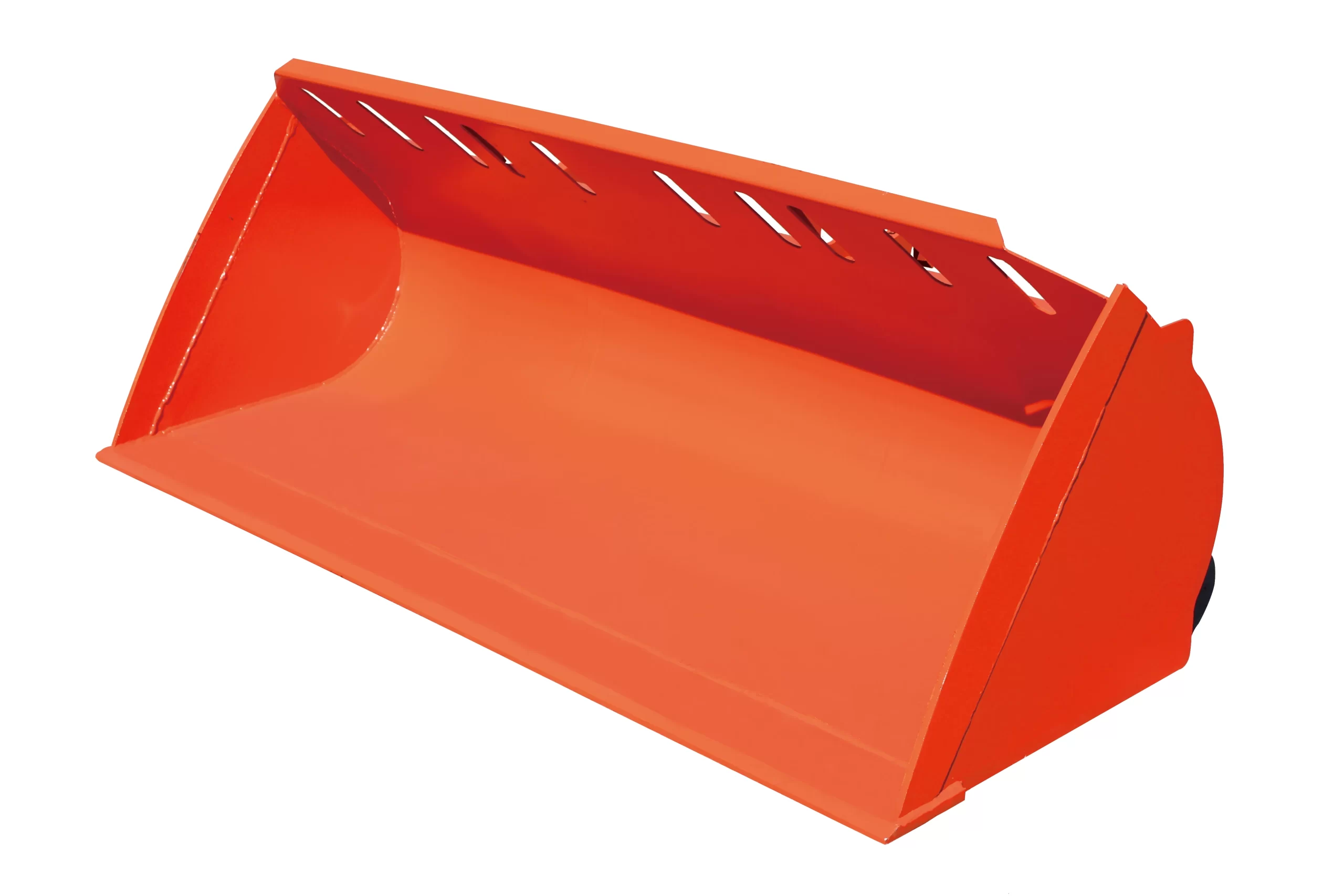
Additionally, consider the size and capacity of the loader’s bucket or attachment. The bucket capacity determines the volume of materials the loader can handle in a single pass, while the dimensions of the bucket influence its versatility and efficiency. Evaluate the width, depth, and capacity of the bucket to ensure it aligns with your material handling requirements, whether you’re loading trucks, stockpiling materials, or performing other tasks.
- Hydraulic System
The hydraulic system is the lifeline of a wheel loader, powering essential functions such as lifting, dumping, and steering. Evaluating the specifications of the hydraulic system is critical to ensuring optimal performance and efficiency.
Firstly, consider the type of hydraulic system employed by the loader, whether it’s an open or closed system. Open hydraulic systems are commonly found in entry-level loaders and offer simplicity and cost-effectiveness but may lack precision and efficiency. Closed hydraulic systems, on the other hand, provide greater control, responsiveness, and efficiency, making them suitable for demanding applications.
Pay attention to hydraulic flow and pressure ratings, as these parameters directly impact the loader’s lifting capacity, speed, and responsiveness. Higher flow rates enable faster cycle times and increased productivity, while higher pressure ratings ensure sufficient power for heavy lifting and demanding tasks. Evaluate the hydraulic specifications provided by the supplier to ensure they meet your performance requirements and operational preferences.
- Operator Comfort and Safety
Operator comfort and safety are paramount considerations when selecting a mini wheel loader. A comfortable and ergonomic operating environment not only enhances operator productivity but also reduces fatigue and minimizes the risk of accidents and injuries.
Evaluate the design and layout of the loader’s cabin to ensure it provides ample space, visibility, and comfort for the operator. Features such as adjustable seats, ergonomic controls, and climate control systems enhance operator comfort and usability, especially during long shifts or in extreme weather conditions.
Safety features are equally important for protecting operators and preventing accidents on the job site. Look for loaders equipped with Roll Over Protective Structures (ROPS) and Falling Object Protective Structures (FOPS) to safeguard operators in the event of rollovers or falling debris. Additionally, consider other safety enhancements such as rearview cameras, proximity sensors, and audible alarms to enhance situational awareness and mitigate risks.
By evaluating the size and dimensions, hydraulic system specifications, and operator comfort and safety features of a mini wheel loader, you can select a mini wheel loader supplier from China that offers equipment tailored to your specific needs and preferences. Prioritize loaders that provide optimal performance, efficiency, and operator comfort to maximize productivity and ensure a safe working environment.
Customization Options
Many suppliers offer customization options to tailor the mini wheel loader to specific customer requirements. Consider whether the supplier can accommodate custom specifications or provide optional features and attachments to enhance versatility and performance.
Pricing and Value
While price is a significant factor, it should not be the sole determinant when choosing a mini wheel loader supplier from China. Conduct a comparative pricing analysis to ensure you’re getting a competitive offer. Additionally, consider the value-added services offered by the supplier, such as training, technical support, and spare parts availability, as these contribute to the overall value proposition.
Reputation and Reviews
Researching the reputation of the supplier within the industry is essential to gauge their reliability and credibility. Look for customer reviews and testimonials to gain insights into the supplier’s performance, customer service, and product satisfaction levels. A supplier with a positive reputation and satisfied customers is more likely to deliver a quality product and excellent service.
Conclusion
Selecting the right mini wheel loader supplier from China requires careful consideration of key features, specifications, and other relevant factors. By evaluating product quality, performance, reliability, customization options, pricing, and reputation, you can make an informed decision that aligns with your operational needs and budget. Remember to prioritize long-term value and quality assurance to ensure a successful partnership with your chosen supplier.