Introduction
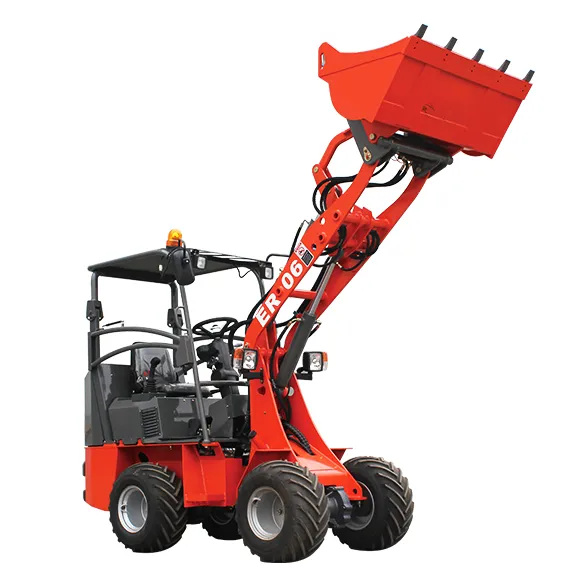
In the realm of heavy machinery, compact telescopic wheel loaders stand out as versatile workhorses, capable of tackling a wide range of tasks with precision and efficiency. However, choosing the right compact telescopic wheel loader supplier for these machines is crucial to ensure optimal performance, reliability, and long-term success. In this comprehensive guide, we delve into the key features and specifications to consider when selecting a compact telescopic wheel loader supplier, empowering you to make informed decisions and maximize your investment.
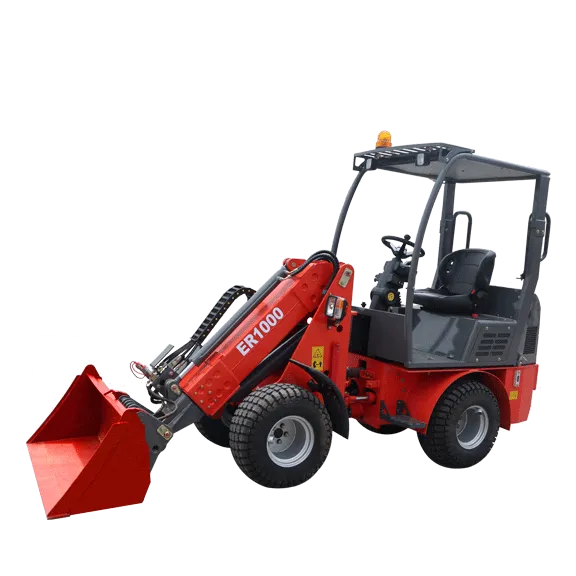
Telescopic Wheel Loader – EVERUN ER1000
Loader Performance
Compact telescopic wheel loaders come in various sizes and configurations, each offering unique performance capabilities. One of the primary considerations is lift capacity, which dictates the maximum weight the loader can safely lift and carry. Suppliers offer loaders with a range of lift capacities to accommodate different operational requirements, so it’s essential to assess your specific needs and choose a loader with adequate lifting power.
Additionally, the reach and height capabilities of the loader are crucial factors to consider, especially when working in confined spaces or with overhead obstacles. compact telescopic wheel loader suppliers offer loaders with varying reach and lift heights, allowing you to select the model that best suits your application requirements. Whether you need to reach high shelves in a warehouse or load materials into trucks, choosing a loader with the right reach and height capabilities is essential for maximizing productivity and efficiency.
Engine and Powertrain
The engine and powertrain of a compact telescopic wheel loader play a significant role in determining its performance and fuel efficiency. Suppliers offer loaders with different types of engines, including diesel and electric options. Diesel engines are known for their robust power output and torque, making them well-suited for demanding applications such as construction and agriculture. On the other hand, electric loaders offer cleaner operation and lower maintenance costs, making them ideal for indoor and urban environments where emissions and noise levels are a concern.
In addition to the engine type, it’s essential to consider the transmission and drivetrain of the loader. Compact telescopic wheel loader suppliers offer loaders with various transmission options, including hydrostatic, powershift, and continuously variable transmissions (CVT). Each transmission type offers unique advantages in terms of efficiency, control, and ease of operation, so it’s essential to choose the one that best suits your specific needs and preferences.
Hydraulics System
The hydraulics system of a compact telescopic wheel loader is responsible for powering the loader’s attachments and providing the necessary lifting and tilting force. Suppliers offer loaders with different hydraulic flow and pressure ratings, allowing you to choose the model that best matches your attachment requirements. Whether you need to operate a bucket, fork, grapple, or other attachments, selecting a loader with the right hydraulic capacity is essential for ensuring optimal performance and efficiency.
Furthermore, it’s essential to consider the control options available for the loader’s hydraulics system. Some suppliers offer loaders with single-function control systems, while others offer multi-function control systems that allow operators to control multiple hydraulic functions simultaneously. Choosing the right control system is crucial for optimizing operator efficiency and productivity, so it’s essential to assess your specific application requirements and choose accordingly.
Attachment Compatibility
The ability to use a variety of attachments is one of the key advantages of compact telescopic wheel loaders. Suppliers offer loaders with quick coupler systems that allow operators to quickly and easily switch between different attachments, such as buckets, forks, grapples, and more. Additionally, suppliers offer a wide range of attachments designed to meet various application requirements, from material handling and landscaping to snow removal and agriculture.
When selecting a loader supplier, it’s essential to consider the range of available attachments and ensure compatibility with your specific application needs. Whether you need to lift pallets, transport materials, or clear debris, choosing a loader with the right attachment options is essential for maximizing versatility and productivity on the job site.
Operator Comfort and Safety
The comfort and safety of the loader’s operator are paramount considerations when selecting acompact telescopic wheel loader supplier. Suppliers offer loaders with ergonomic cab designs, comfortable seating, and intuitive controls to ensure operator comfort during long hours of operation. Additionally, suppliers incorporate safety features such as ROPS/FOPS certification, backup cameras, and proximity sensors to enhance operator safety and minimize the risk of accidents and injuries on the job site.
When evaluating loader suppliers, it’s essential to assess the design and features of the loader’s cab to ensure optimal operator comfort and safety. Additionally, it’s crucial to consider the availability of training programs and support services to ensure operators are adequately trained and equipped to operate the loader safely and efficiently.
Maintenance and Support
Regular maintenance is essential for ensuring the continued performance and reliability of a compact telescopic wheel loader. Suppliers offer loaders with easy access to spare parts and service manuals, allowing operators to perform routine maintenance tasks quickly and efficiently. Additionally, compact telescopic wheel loader suppliers provide comprehensive support services, including technical assistance, training programs, and warranty coverage, to ensure operators have the resources they need to keep their loader running smoothly.
When selecting a loader supplier, it’s essential to consider the availability of spare parts and support services to minimize downtime and maximize productivity on the job site. Additionally, it’s crucial to assess the reputation and reliability of the supplier to ensure you receive prompt and professional assistance when needed.
Cost Considerations
Cost is a significant consideration when selecting a compact telescopic wheel loader supplier. Suppliers offer loaders with varying price points, depending on factors such as size, capacity, and features. Additionally, suppliers offer different financing options, warranty coverage, and maintenance plans to help operators manage costs and maximize their investment.
When evaluating loader suppliers, it’s essential to consider the total cost of ownership, including initial purchase price, operating costs, and long-term maintenance expenses. Additionally, it’s crucial to assess the return on investment and potential cost savings associated with choosing a loader with higher efficiency, lower maintenance requirements, and longer service life.
Reputation and Customer Feedback
The reputation and customer feedback of a loader supplier are essential indicators of their reliability, professionalism, and commitment to customer satisfaction. Suppliers with a strong reputation and positive customer feedback are more likely to deliver high-quality products and exceptional service, ensuring a positive experience for operators and maximizing the value of their investment.
When selecting a loader supplier, it’s essential to research their reputation and customer feedback through online reviews, testimonials, and industry publications. Additionally, it’s crucial to seek recommendations from colleagues, industry peers, and trusted advisors to ensure you choose a compact telescopic wheel loader supplier with a proven track record of success and customer satisfaction.
Conclusion
Selecting the right compact telescopic wheel loader supplier is a critical decision that can have a significant impact on your business’s productivity, efficiency, and bottom line. By considering key features and specifications such as loader performance, engine and powertrain options, hydraulics system, attachment compatibility, operator comfort and safety, maintenance and support, cost considerations, and reputation and customer feedback, you can make an informed decision and choose a compact telescopic wheel loader supplier that meets your specific needs and preferences. With the right supplier by your side, you can maximize the performance and longevity of your compact telescopic wheel loader and achieve success in your operations.