Introduction
Choosing the right wheel loader is a crucial decision for any construction, mining, or material handling operation. With China emerging as a major player in the global construction equipment market, the options for China wheel loaders from Chinese manufacturers have become increasingly diverse. However, to make an informed decision, it’s essential to understand the key features and specifications that should be evaluated when selecting a China wheel loader. In this comprehensive guide, we’ll explore the important considerations that can help you choose the optimal wheel loader for your specific needs and applications.

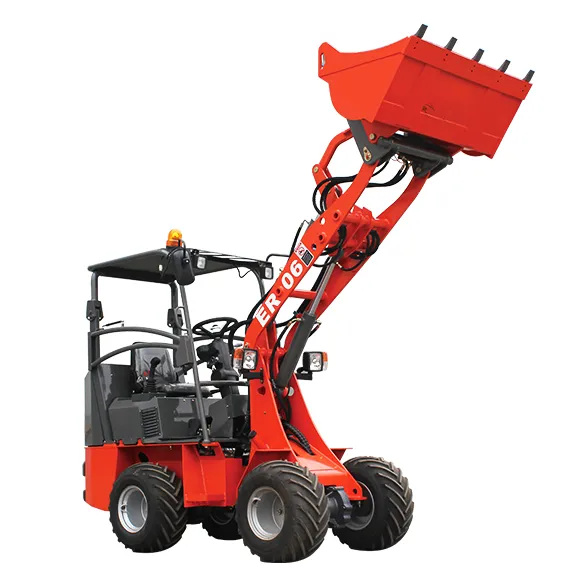
Small Wheel Loader— EVERUN ER1220
Performance Features
- Engine Power and Torque
Engine power and torque are fundamental factors that directly influence the performance and productivity of a wheel loader. When evaluating a China wheel loader, consider the horsepower (HP) rating and torque output of the engine. Higher horsepower engines typically deliver greater tractive effort and faster cycle times, enabling the China wheel loader to handle heavy loads and perform tasks more efficiently. Additionally, torque is essential for overcoming resistance and maintaining consistent performance, especially in demanding operating conditions such as uphill climbs or heavy material handling.
- Hydraulic System Capacity and Performance
The hydraulic system plays a critical role in powering the loader’s lifting, tilting, and steering functions. Assessing the hydraulic system capacity and performance involves examining parameters such as flow rate, pressure, and response time. A high-flow hydraulic system with ample capacity ensures swift and smooth operation, allowing the wheel loader to lift and transport materials with ease. Moreover, responsive hydraulic controls enable precise manipulation of the loader arms and bucket, enhancing operational efficiency and productivity on the job site.
- Loader Bucket Capacity and Lift Capacity
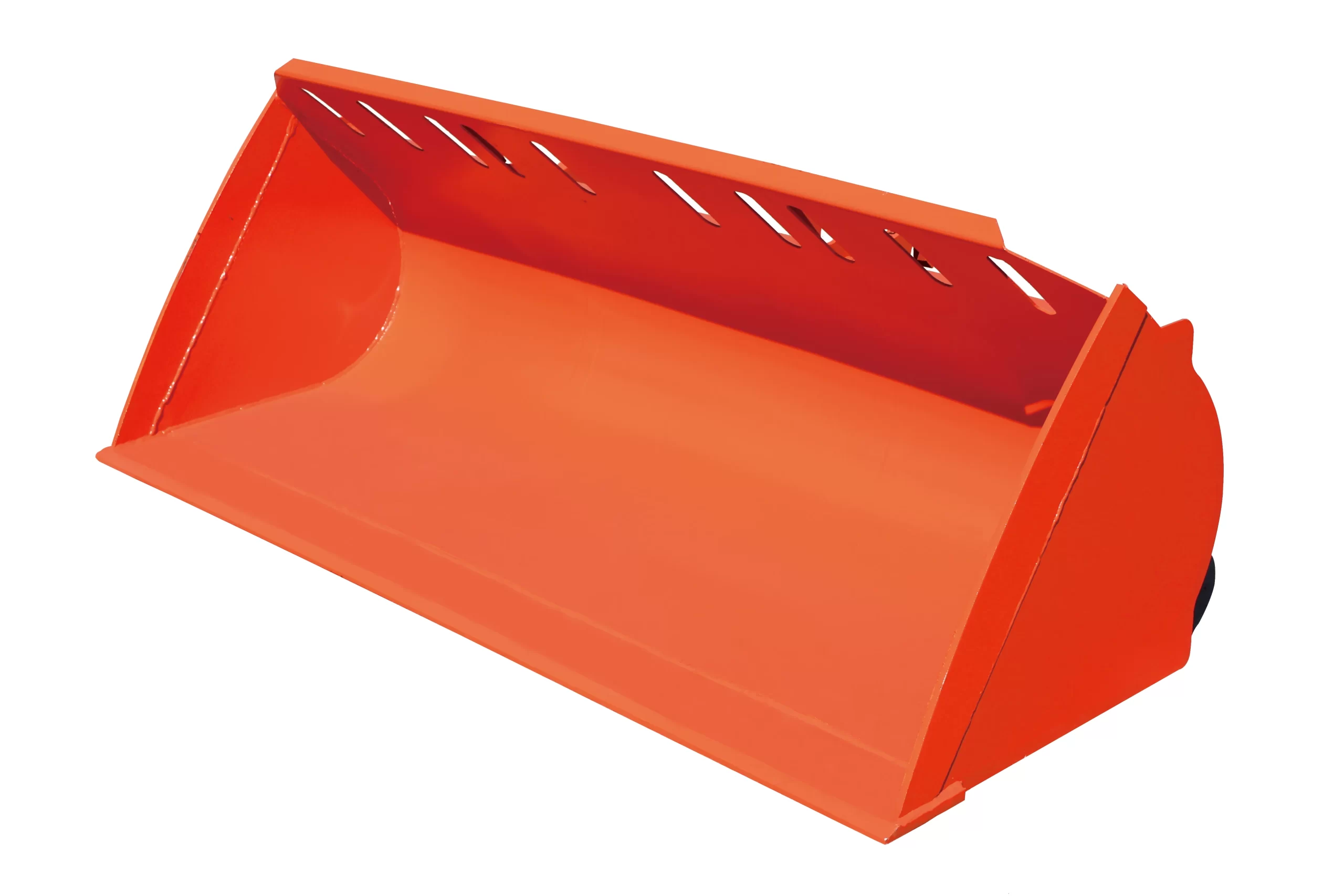
Loader bucket capacity and lift capacity are key specifications that determine the wheel loader’s capability to handle various materials and loads. Evaluate the size and design of the loader bucket to ensure it can accommodate the desired volume of material without overloading or spillage. Additionally, consider the rated lift capacity, which indicates the maximum weight that the wheel loader can safely lift and transport. Choosing a wheel loader with sufficient bucket capacity and lift capacity ensures optimal performance and productivity in material loading, stockpiling, and truck loading applications.
- Speed and Maneuverability
Speed and maneuverability are essential characteristics that impact the efficiency and versatility of a wheel loader. Assess the maximum travel speed and acceleration capabilities to determine the loader’s ability to move quickly between loading areas and job sites. Moreover, evaluate the turning radius and steering system for maneuverability in tight spaces and confined work areas. Features such as articulated steering and four-wheel drive enhance the China wheel loader’s agility and responsiveness, allowing operators to navigate challenging terrain and obstacles with ease.
- Traction and Stability Control Systems
Traction and stability control systems are critical for ensuring safe and efficient operation of the wheel loader, especially on uneven or slippery surfaces. Evaluate the design of the wheel loader’s drivetrain, tire configuration, and suspension system to assess its traction and stability capabilities. Features such as differential locks, anti-slip control, and automatic traction control enhance traction and prevent wheel slippage during operation. Additionally, stability control systems such as load sensing and automatic bucket leveling improve stability and prevent tipping accidents, enhancing operator safety and confidence.
Design and Construction
- Quality of Materials and Build Construction
The quality of materials and construction directly impact the durability, reliability, and longevity of a China wheel loader. Evaluate the construction materials used for the chassis, loader arms, and bucket to ensure they can withstand heavy-duty use and resist wear and tear. High-strength steel alloys, reinforced welds, and durable coatings enhance the wheel loader’s structural integrity and resistance to corrosion and abrasion. Additionally, consider the overall build quality and attention to detail in the manufacturing process to ensure a robust and reliable machine that can withstand the rigors of daily operation.
- Durability and Reliability of Components
Durability and reliability are essential attributes that contribute to the overall performance and uptime of a wheel loader. Assess the durability of key components such as the engine, transmission, axles, and hydraulic system to ensure they can withstand heavy loads, high operating temperatures, and prolonged use. Look for features such as oversized bearings, heavy-duty seals, and reinforced drivetrain components that enhance durability and minimize the risk of premature failure. Additionally, consider the reputation of the manufacturer and the availability of genuine spare parts to ensure timely maintenance and repairs when needed.
- Operator Comfort and Ergonomics
Operator comfort and ergonomics play a significant role in enhancing productivity, reducing fatigue, and promoting safety during long hours of operation. Evaluate the design of the operator cabin, seat, controls, and visibility to ensure they provide a comfortable and ergonomic working environment. Features such as adjustable seating, climate control, and noise insulation reduce operator fatigue and improve concentration, leading to higher productivity and efficiency. Moreover, ergonomic joystick controls, intuitive instrumentation, and ergonomic placement of switches and levers enhance operator comfort and responsiveness, allowing for precise and effortless operation of the China wheel loader.
- Safety Features and Certifications
Safety is paramount in any construction environment, and wheel loaders are no exception. Evaluate the presence of safety features and certifications to ensure compliance with industry standards and regulations. Look for features such as ROPS (Roll-Over Protective Structure), FOPS (Falling Object Protective Structure), and TOPS (Tip-Over Protective Structure) that provide protection for the operator in the event of rollovers, falling objects, or tip-overs. Additionally, consider safety systems such as backup cameras, proximity sensors, and audible alarms that enhance situational awareness and prevent accidents and collisions on the job site.
Technology and Innovation
- Integration of Advanced Technologies
Advanced technologies are transforming the capabilities and performance of wheel loaders, making them more efficient, productive, and versatile. Evaluate the integration of technologies such as GPS (Global Positioning System), telematics, and onboard diagnostics to enhance productivity and efficiency. GPS-enabled wheel loaders can accurately track and record work progress, optimize loading routes, and improve material placement accuracy. Telematics systems provide real-time monitoring and data analytics capabilities, allowing fleet managers to remotely track machine performance, monitor fuel consumption, and schedule maintenance tasks proactively. Additionally, onboard diagnostics systems enable technicians to diagnose and troubleshoot issues remotely, minimizing downtime and maximizing uptime.
- Automation and Control Systems
Automation and control systems are revolutionizing the operation of China wheel loaders, enabling semi-autonomous and fully autonomous operation in certain applications. Advanced control systems, such as electro-hydraulic proportional control and load-sensing technology, offer precise control over machine movements and hydraulic functions, resulting in smoother and more efficient operation. Moreover, semi-autonomous features such as auto-bucket leveling, auto-digging, and semi-automatic loading reduce operator workload and improve accuracy, particularly in repetitive or precision-based tasks. Fully autonomous wheel loaders, equipped with artificial intelligence and sensor technologies, can perform complex tasks with minimal human intervention, further enhancing productivity and safety on the job site.
- Fuel Efficiency and Emission Controls
With a growing emphasis on sustainability and environmental responsibility, fuel efficiency and emission reduction technologies are becoming increasingly important in wheel loaders. Evaluate the integration of technologies such as advanced engine management systems, low-emission engines, and hybrid powertrains to minimize fuel consumption and carbon emissions. Additionally, features such as auto-idle shutdown, eco-mode operation, and regenerative braking help optimize fuel usage and reduce environmental impact during operation. By selecting a fuel-efficient and environmentally friendly wheel loader, operators can lower operating costs, comply with regulatory requirements, and minimize their carbon footprint.
- Connectivity Features for Remote Monitoring and Diagnostics
The integration of connectivity features enhances the remote monitoring, management, and maintenance of China wheel loaders, improving efficiency and uptime on the job site. Evaluate the availability of connectivity features such as remote monitoring, remote operation, and fleet management software that enable real-time monitoring and data analytics capabilities. Remote monitoring systems provide operators and fleet managers with visibility into machine health, performance, and utilization, allowing them to identify issues proactively and schedule maintenance tasks accordingly. Moreover, connectivity features enable remote diagnostics and troubleshooting, allowing technicians to diagnose and address problems remotely, minimizing downtime and maximizing uptime across multiple job sites.
Maintenance and Support
- Availability of Spare Parts
The availability of genuine spare parts is essential for ensuring timely maintenance and repairs of wheel loaders. Evaluate the manufacturer’s supply chain and distribution network to ensure easy access to spare parts when needed. Additionally, consider the availability of aftermarket parts and accessories from reputable suppliers to provide alternative options and competitive pricing.
- Ease of Maintenance and Serviceability
Ease of maintenance and serviceability is crucial for minimizing downtime and reducing maintenance costs. Evaluate the accessibility of key components such as filters, fluids, and grease points to ensure they can be easily inspected and serviced. Features such as centralized lubrication systems, quick-release couplings, and easy-to-reach service points simplify routine maintenance tasks and reduce the time required for servicing.
- Warranty Coverage and Support Services
Warranty coverage and support services are important considerations that provide peace of mind and assurance of quality and reliability. Evaluate the manufacturer’s warranty policy to understand the scope of coverage and duration. Additionally, consider the availability of support services such as technical assistance, training programs, and field service support to ensure prompt resolution of issues and maximum uptime on the job site.
- Reputation of Manufacturer for Customer Support
The reputation of the manufacturer for customer support and satisfaction is a key indicator of the quality and reliability of their wheel loaders. Research the manufacturer’s track record and reputation for providing responsive and reliable customer support services. Look for testimonials, reviews, and references from current users and industry experts to gauge the manufacturer’s commitment to customer satisfaction and after-sales support.
Cost Considerations
- Initial Purchase Price
The initial purchase price is a significant factor that influences the affordability and investment value of a wheel loader. Evaluate the cost of acquiring the wheel loader, including any optional features, attachments, or customization options. Compare the prices of different models from various manufacturers to identify the best value proposition that meets your budgetary constraints and performance requirements.
- Total Cost of Ownership over the Lifespan of the Wheel Loader
While the initial purchase price is important, it’s essential to consider the total cost of ownership over the lifespan of the China wheel loader. Evaluate the long-term operating costs, including fuel consumption, maintenance expenses, and depreciation, to determine the overall affordability and cost-effectiveness of the investment. Consider factors such as fuel efficiency, reliability, and resale value to assess the total cost of ownership and maximize the return on investment.
- Value for Money Proposition Compared to Competitors
Assessing the value for money proposition of a wheel loader involves comparing its features, specifications, and performance capabilities to those of competing models. Evaluate the overall quality, durability, and reliability of the wheel loader relative to its price to determine its competitiveness in the market. Consider factors such as warranty coverage, support services, and aftermarket availability to assess the overall value proposition and make an informed purchasing decision.
Market Reputation and Reviews
- Feedback from Current Users and Industry Experts
Feedback from current users and industry experts provides valuable insights into the performance, reliability, and satisfaction levels of different China wheel loader models. Seek out reviews, testimonials, and case studies from operators, contractors, and industry publications to gain firsthand experiences and perspectives. Consider factors such as durability, performance, and after-sales support when evaluating the feedback to make an informed decision.
- Reputation of the Manufacturer and Brand
The reputation of the manufacturer and brand is an important consideration that reflects the overall quality, reliability, and credibility of their wheel loaders. Research the manufacturer’s track record, history, and reputation for producing high-quality, dependable equipment. Look for indicators of trustworthiness and reliability, such as industry certifications, awards, and endorsements, to assess the manufacturer’s reputation and credibility in the market.
- Independent Reviews and Comparisons with Other Models
Independent reviews and comparisons provide unbiased evaluations and performance benchmarks for different wheel loader models. Look for objective reviews, evaluations, and comparison tests conducted by reputable third-party organizations, testing agencies, or industry publications. Compare the features, specifications, and performance capabilities of various models to identify the strengths, weaknesses, and suitability of each option for your specific needs and applications.
Conclusion
Selecting the right China wheel loader requires careful consideration of various features, specifications, and factors that contribute to its performance, reliability, and overall value. By thoroughly evaluating performance features, design and construction, technology and innovation, maintenance and support, cost considerations, and market reputation, you can make an informed decision that aligns with your project requirements and budget. Remember to prioritize long-term value and reliability to ensure a successful investment in a China wheel loader that delivers optimal performance and productivity for years to come. With the right wheel loader at your disposal, you can maximize efficiency, minimize costs, and achieve greater success in your construction, mining, or material handling operations.