Introduction
In the bustling world of construction, agriculture, warehousing, and beyond, the need for versatile and efficient machinery is paramount. Among the array of equipment available telescopic mini telehandlers stand out for their compact size, maneuverability, and multifunctionality. In this comprehensive guide, we delve into the key features and specifications of telescopic mini telehandlers available for sale, shedding light on their capabilities and benefits across various industries.

Telescopic Wheel Loader – EVERUN ER1500
Overview of quality telescopic mini telehandler
Quality telescopic mini telehandlers, also known as compact telehandlers or mini loaders, are specialized lifting machines designed to perform a wide range of tasks with precision and efficiency. Combining the features of a forklift and a crane, these compact machines feature a telescopic boom that extends vertically and horizontally, providing impressive reach and versatility. From lifting and transporting materials to handling attachments for different tasks, telescopic mini telehandlers offer unmatched flexibility in diverse work environments.
Key Features of Telescopic Mini Telehandler
- Compact Size and Maneuverability: One of the defining characteristics of quality telescopic mini telehandlers is their compact footprint, allowing them to navigate tight spaces and confined work areas with ease. Their small size makes them ideal for indoor applications, urban construction sites, and areas with limited access.
- Telescopic Boom for Extended Reach: The telescopic boom of mini telehandlers enables them to reach heights and distances beyond the capabilities of traditional forklifts. With the ability to extend both vertically and horizontally, these machines provide exceptional reach, making them invaluable for tasks such as loading/unloading trucks, placing materials at height, and reaching over obstacles.
- Load Capacity and Lifting Height: Despite their compact size, telescopic mini telehandlers boast impressive load capacities and lifting heights. Depending on the model, they can lift loads ranging from several hundred kilograms to several metric tons, with lifting heights reaching up to several meters. This robust lifting capability makes them indispensable for a wide range of lifting and material handling tasks.
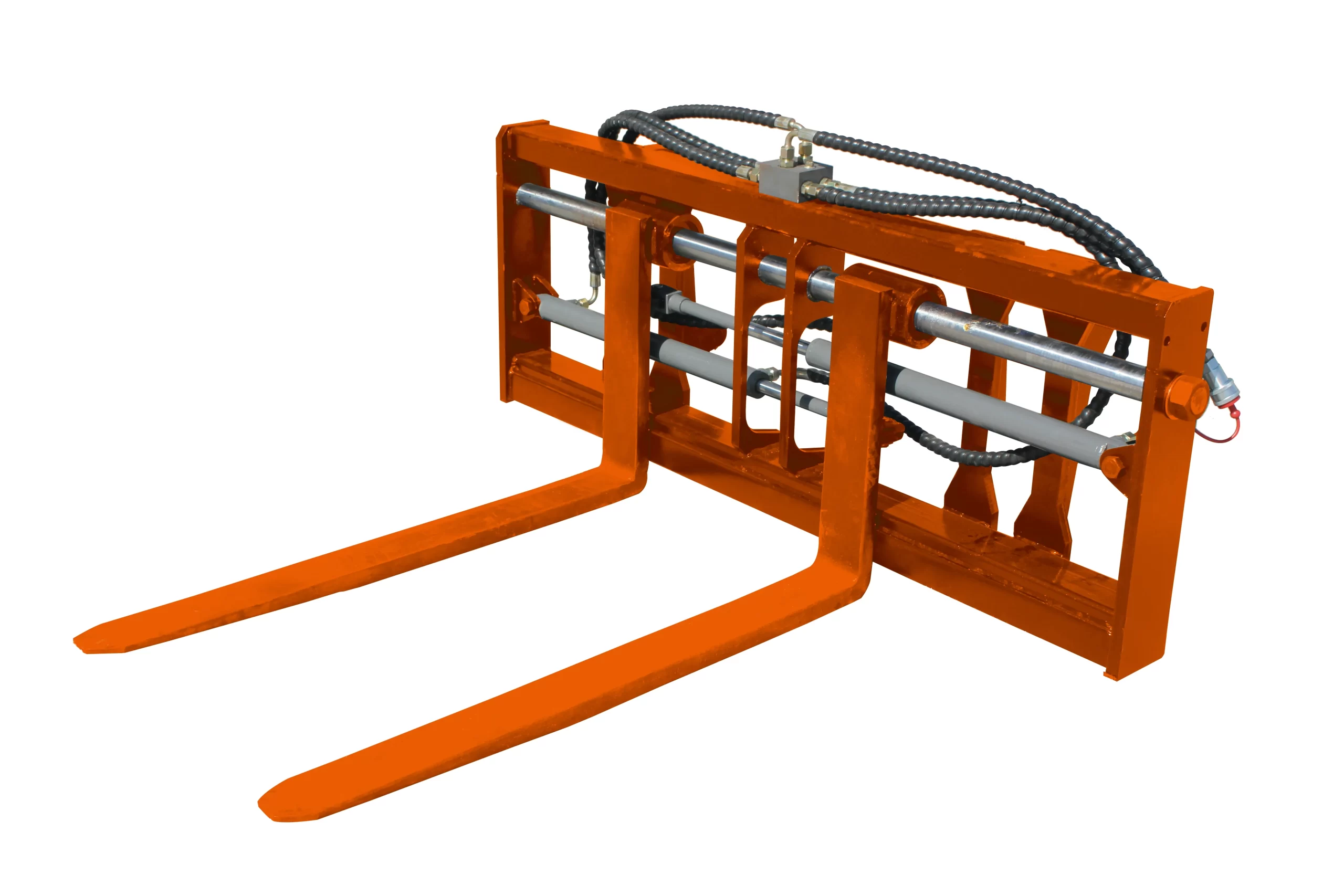
- Attachments and Versatility: Quality telescopic mini telehandlers are designed to accommodate a variety of attachments, further enhancing their versatility and utility. Common attachments include pallet forks, buckets, jibs, winches, and platforms, allowing these machines to adapt to different job requirements with minimal downtime.
- Safety Features and Operator Comfort: Safety is paramount in any work environment, and telescopic mini telehandlers are equipped with a range of features to ensure the safety of operators and bystanders. These may include stability systems, overload protection, ergonomic controls, and ROPS/FOPS-certified cabins. Additionally, features such as adjustable seats, air conditioning, and sound insulation contribute to operator comfort during long hours of operation.
Specifications of Telescopic Mini Telehandler
- Engine Type, Power Output, and Fuel Efficiency: Quality telescopic mini telehandlers are typically powered by diesel engines, although some models may offer alternative power sources such as LPG or electric. Engine power output varies depending on the model and manufacturer, ranging from around 25 horsepower (HP) to 100 HP or more. Fuel efficiency is an important consideration, with modern engines designed to maximize performance while minimizing fuel consumption and emissions.
- Dimensions and Weight: The dimensions and weight of telescopic mini telehandlers play a crucial role in their maneuverability and transportability. These machines are designed to be compact and lightweight, with overall dimensions ranging from around 4 meters in length, 2 meters in width, and 2 meters in height. Weight typically ranges from 2 to 5 metric tons, depending on the model and configuration.
- Hydraulic System Specifications: The hydraulic system of telescopic mini telehandlers is responsible for powering the boom extension, attachment operation, and other hydraulic functions. Specifications such as hydraulic flow rate, pressure rating, and pump capacity determine the performance and efficiency of these systems, ensuring smooth and precise operation in various conditions.
- Traction, Steering, and Turning Radius: Telescopic mini telehandlers are equipped with four-wheel drive (4WD) or all-wheel drive (AWD) systems for enhanced traction and stability, especially on rough or uneven terrain. Steering options may include two-wheel steering (front or rear), four-wheel steering, or crab steering, allowing operators to maneuver the machine with precision in tight spaces. The turning radius varies depending on the steering configuration and can range from a few meters to around 4 meters or more.
- Optional Features and Customization Options: Manufacturers offer a range of optional features and customization options to tailor telescopic mini telehandlers to specific user requirements. These may include additional lighting, cameras, telematics systems, remote monitoring, GPS tracking, and specialized attachments for niche applications. Customization ensures that the machine meets the unique needs of each customer and maximizes productivity on the job site.
Comparison with Similar Equipment
While quality telescopic mini telehandlers share some similarities with other types of lifting equipment, such as forklifts and cranes, they offer distinct advantages in terms of versatility, maneuverability, and reach. Compared to traditional forklifts, mini telehandlers provide greater lifting heights and reach, making them suitable for a wider range of applications, including construction, agriculture, landscaping, and warehousing. Additionally, their compact size and agile maneuverability set them apart from larger telehandlers and cranes, allowing them to access confined spaces and navigate challenging terrain with ease.
Applications and Industries
Telescopic mini telehandlers find applications across various industries and sectors, thanks to their versatility and adaptability. Some common applications include:
- Construction and Building Sites: Mini telehandlers are used for lifting and placing materials such as bricks, blocks, steel beams, and scaffolding on construction sites. Their compact size and maneuverability make them ideal for working in tight spaces and urban environments.
- Agriculture and Farming Operations: In agriculture, mini telehandlers are used for tasks such as loading/unloading supplies, handling bales of hay or straw, and transporting equipment around the farm. Their ability to operate on rough terrain and navigate narrow passages makes them invaluable for agricultural operations.
- Warehousing and Logistics: Mini telehandlers are used in warehouses and distribution centers for stacking and retrieving pallets, loading/unloading trucks, and organizing inventory. Their compact size and versatility make them well-suited for indoor material handling tasks.
- Landscaping and Outdoor Maintenance: In landscaping and outdoor maintenance, mini telehandlers are used for tasks such as lifting and positioning landscaping materials, moving soil or mulch, and transporting equipment across uneven terrain. Their ability to operate in tight spaces and navigate obstacles makes them ideal for outdoor applications.
- Other Niche Industries and Specialized Tasks: Mini telehandlers are also used in niche industries and specialized tasks, such as event setup and teardown, utility maintenance, and disaster relief operations. Their versatility and compact size make them valuable assets in a wide range of scenarios where lifting and material handling are required.
Considerations Before Purchase
Before purchasing a telescopic mini telehandler, there are several factors to consider to ensure that the machine meets your specific requirements and preferences:
- Budget and Cost-Effectiveness: Determine your budget and assess the cost-effectiveness of different models based on their features, specifications, and overall value proposition. Consider factors such as initial purchase price, operating costs, fuel consumption, maintenance requirements, and potential resale value.
- Specific Job Requirements and Applications: Identify the specific tasks and applications for which the telehandler will be used, and choose a model that meets your performance and capacity requirements. Consider factors such as lifting height, load capacity, reach, and attachment compatibility to ensure that the machine can handle your intended tasks effectively.
- Maintenance and Servicing Requirements: Evaluate the maintenance and servicing requirements of different telehandler models, including routine inspections, lubrication, fluid checks, and periodic servicing intervals. Choose a model that offers easy access to service points and components for efficient maintenance and troubleshooting.
- After-Sales Support and Warranty Coverage: Research the after-sales support and warranty coverage offered by different manufacturers and dealerships. Choose a reputable manufacturer with a proven track record of quality, reliability, and customer service, and ensure that the telehandler is backed by a comprehensive warranty and support network.
-

Telescopic Wheel Loader – EVERUN ER2500F
Conclusion
Quality telescopic mini telehandlers are versatile and efficient lifting machines that offer unmatched capabilities in a compact and maneuverable package. With their telescopic booms, impressive load capacities, and versatile attachments, these machines are invaluable assets in a wide range of industries and applications. By understanding the key features and specifications of telescopic mini telehandlers, buyers can make informed decisions and choose the right machine to meet their specific needs and preferences. Whether in construction, agriculture, warehousing, or landscaping, telescopic mini telehandlers play a vital role in enhancing productivity, efficiency, and safety on the job site.