Introduction
Telescopic wheel loaders have emerged as a versatile and efficient alternative to traditional wheel loaders, offering enhanced features and capabilities for various applications. Understanding the key differences and benefits of new telescopic wheel loaders compared to traditional wheel loaders is crucial for making informed decisions in equipment selection. In this article, we will explore the key features and benefits of new telescopic wheel loaders and how they compare to traditional wheel loaders.

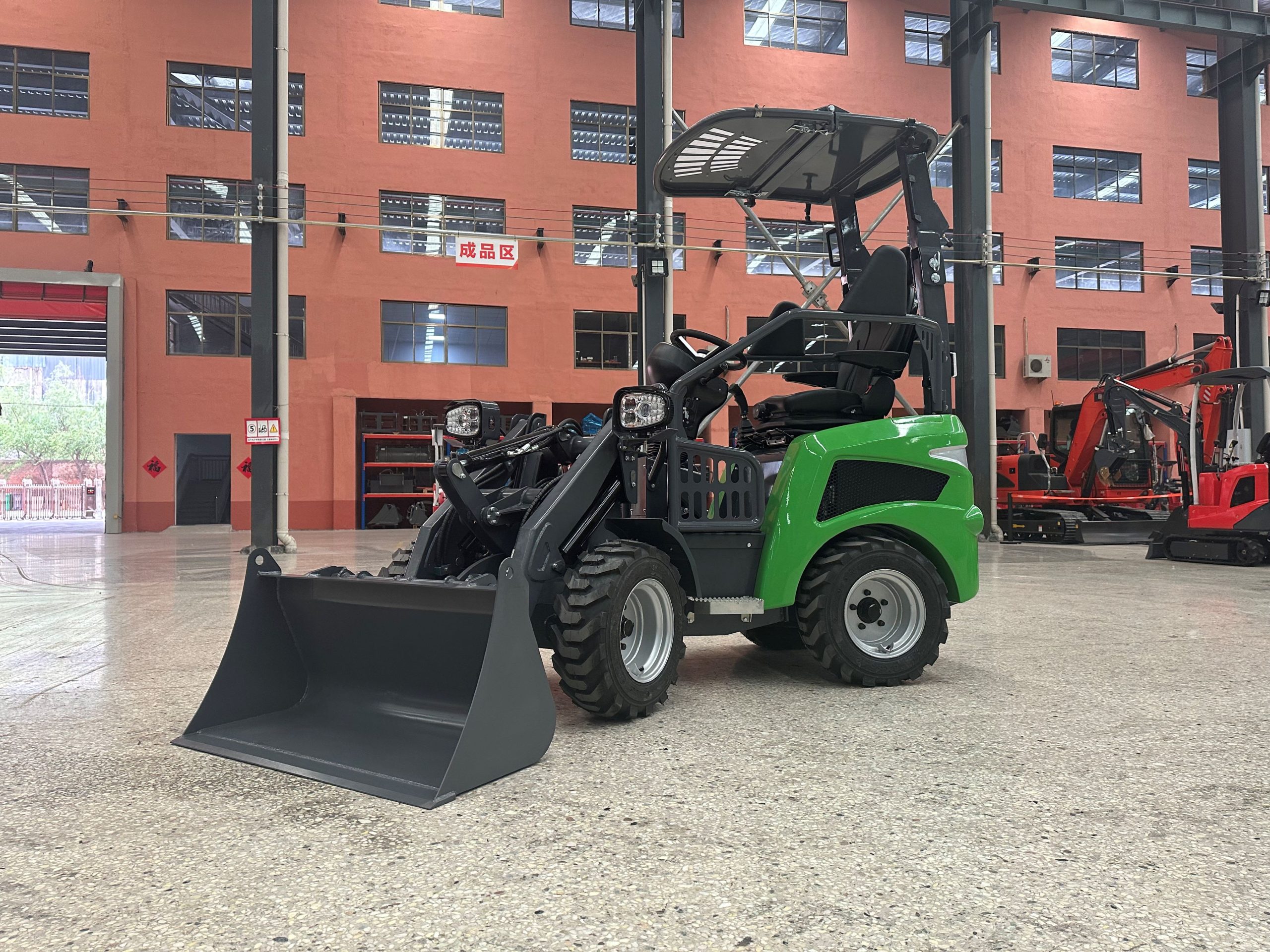
Electric Wheel Loader – EVERUN EREL1000
Key Features of New Telescopic Wheel Loaders
- Telescopic Boom
One of the standout features of new telescopic wheel loaders is their telescopic boom, which offers extended reach and lift height compared to traditional wheel loaders.
Extended Reach and Lift Height:
Telescopic wheel loaders are equipped with a telescopic boom that can extend forward, providing increased reach and lift height. This feature allows operators to load and unload materials over obstacles and at greater heights, making them suitable for a wide range of applications.
Versatility in Various Applications:
The extended reach and lift height of the telescopic boom enable telescopic wheel loaders to handle diverse tasks, including material handling, stockpiling, and loading trucks or hoppers. This versatility makes them ideal for construction, agriculture, landscaping, and other industries requiring flexible and efficient equipment.
- Enhanced Maneuverability
Telescopic wheel loaders offer improved agility and navigation in tight spaces compared to traditional wheel loaders.
Improved Agility and Navigation
With a reduced turning radius and enhanced maneuverability, telescopic wheel loaders can easily navigate confined spaces and challenging terrains. This feature is beneficial for operations in construction sites, warehouses, and other environments where space is limited.
- Advanced Hydraulic System
The advanced hydraulic system of telescopic wheel loaders ensures smooth and precise operation.
Smooth and Precise Operation
The hydraulic system in telescopic wheel loaders provides increased efficiency and control, allowing operators to perform tasks with greater precision and accuracy. This feature enhances productivity and reduces the risk of errors or accidents during operation.
- Operator Comfort and Visibility
Telescopic wheel loaders are designed with the operator’s comfort and visibility in mind.
Ergonomic Cab Design
The cabs of telescopic wheel loaders are equipped with ergonomic features, including adjustable seats, controls, and a comfortable working environment. This design minimizes operator fatigue and enhances productivity during extended work hours.
Improved Visibility and Safety Features:
Telescopic wheel loaders offer improved visibility from the cab, allowing operators to have a clear view of the working area. Additionally, these machines are equipped with advanced safety features, such as rear-view cameras, proximity sensors, and stability control systems, to ensure safe and efficient operation.
- Fuel Efficiency and Environmental Benefits
Telescopic wheel loaders are designed with advanced engine technology for improved fuel efficiency and reduced environmental impact.
Advanced Engine Technology
New telescopic wheel loaders are equipped with modern engine technology that optimizes fuel consumption while maintaining high performance levels. This feature results in reduced operating costs and increased profitability for operators.
Reduced Fuel Consumption and Emissions
The fuel-efficient design of telescopic wheel loaders contributes to lower fuel consumption and reduced emissions, making them environmentally friendly and compliant with emission regulations.
Key Features of Traditional Wheel Loaders
- Standard Boom
Traditional wheel loaders are equipped with a standard boom with limited reach and lift height.
Limited Reach and Lift Height
Traditional wheel loaders have a fixed boom that limits their reach and lift height, restricting their ability to handle tasks requiring extended reach or lifting capabilities.
- Typical Maneuverability
Traditional wheel loaders offer moderate agility and navigation capabilities.
Moderate Agility and Navigation
With a standard turning radius and maneuverability, traditional wheel loaders are suitable for general loading and material handling tasks but may face challenges in confined or tight spaces.
- Conventional Hydraulic System
Traditional wheel loaders feature a conventional hydraulic system with standard operation and control.
Standard Operation and Control:
The hydraulic systems in traditional wheel loaders provide basic operation and control, which may not offer the same level of efficiency and precision as the advanced hydraulic systems in telescopic wheel loaders.
- Operator Comfort and Visibility
Traditional wheel loaders may lack some of the ergonomic features and advanced safety systems found in telescopic wheel loaders.
Basic Cab Design
The cabs of traditional wheel loaders may not be as ergonomically designed as those of telescopic wheel loaders, potentially leading to increased operator fatigue during extended work periods.
Standard Visibility and Safety Features:
While traditional wheel loaders offer adequate visibility and basic safety features, they may not provide the same level of visibility and advanced safety systems as telescopic wheel loaders.
- Fuel Efficiency and Environmental Impact
Traditional wheel loaders typically have conventional engine technology with moderate fuel efficiency.
Conventional Engine Technology
Traditional wheel loaders are often equipped with standard engine technology that may not optimize fuel consumption as effectively as the advanced engine technology in telescopic wheel loaders.
Moderate Fuel Consumption and Emissions:
The fuel consumption and emissions of traditional wheel loaders may be higher compared to telescopic wheel loaders, resulting in increased operating costs and environmental impact.
Benefits of New Telescopic Wheel Loaders Compared to Traditional Wheel Loaders
- Enhanced Versatility and Flexibility
The telescopic boom and advanced features of telescopic wheel loaders offer increased versatility and flexibility compared to traditional wheel loaders.
Ability to Handle a Wider Range of Tasks and Applications:
The extended reach, lift height, and versatility of telescopic wheel loaders enable them to handle a wider range of tasks and applications, making them a more flexible and efficient choice for various industries.
- Improved Reach and Lift Capacity
The extended reach and increased lifting capacity of telescopic wheel loaders provide significant advantages over traditional wheel loaders.
Ability to Load and Unload Over Obstacles and at Greater Heights:
Telescopic wheel loaders can easily load and unload materials over obstacles and at greater heights, allowing operators to work more efficiently and safely in various environments.
Increased Lifting Capacity for Handling Heavier Loads:
The enhanced lifting capacity of telescopic wheel loaders enables them to handle heavier loads with ease, increasing productivity and reducing the need for additional equipment or manual labor.
- Greater Maneuverability and Accessibility
The improved agility and navigation capabilities of telescopic wheel loaders make them more maneuverable and accessible compared to traditional wheel loaders.
Ability to Operate in Confined Spaces and Challenging Terrains
Telescopic wheel loaders can operate in confined spaces and challenging terrains with ease, providing operators with greater flexibility and efficiency in various working conditions.
Improved Agility and Navigation Capabilities
The enhanced maneuverability of telescopic wheel loaders allows them to navigate tight spaces and maneuver with precision, reducing the risk of accidents and increasing operational efficiency.
- Advanced Control and Operator Comfort
The advanced hydraulic system and ergonomic design of telescopic wheel loaders contribute to improved control and operator comfort compared to traditional wheel loaders.
Enhanced Control and Precision in Operation
The advanced hydraulic system of telescopic wheel loaders provides operators with enhanced control and precision, allowing them to perform tasks with greater accuracy and efficiency.
- Improved Comfort, Safety, and Visibility for the Operator
The ergonomic cab design, improved visibility, and advanced safety features of telescopic wheel loaders ensure operator comfort, safety, and productivity during operation.
- Reduced Operating Costs and Environmental Impact
The fuel-efficient design and reduced emissions of telescopic wheel loaders result in lower operating costs and a smaller environmental footprint compared to traditional wheel loaders.
Improved Fuel Efficiency and Reduced Fuel Consumption:
The advanced engine technology and fuel-efficient design of telescopic wheel loaders contribute to reduced fuel consumption and lower operating costs, increasing profitability for operators.
Lower Emissions and Environmental Footprint:
The reduced emissions of telescopic wheel loaders make them environmentally friendly and compliant with emission regulations, contributing to a smaller environmental footprint and sustainable operations.
Conclusion
In conclusion, new telescopic wheel loaders offer a range of key features and benefits that set them apart from traditional wheel loaders. With their extended reach, enhanced maneuverability, advanced hydraulic system, and operator-friendly design, telescopic wheel loaders provide increased versatility, efficiency, and performance for various applications. Additionally, their fuel-efficient design and reduced environmental impact make them a more sustainable and cost-effective choice for operators. By understanding the differences and advantages of new telescopic wheel loaders compared to traditional wheel loaders, businesses and operators can make informed decisions to enhance productivity, safety, and profitability in their operations.