Introduction
Mini skid steer loaders have become indispensable tools in the construction, landscaping, and material handling industries. Their compact size and versatility make them perfect for spaces and a wide range of tasks. However, with numerous manufacturers offering a variety of models, selecting the right one can be a daunting task. This article aims to guide potential buyers through the key factors to consider when choosing a mini skid steer loader manufacturer, ensuring that they make an informed decision that aligns with their specific needs and budget.

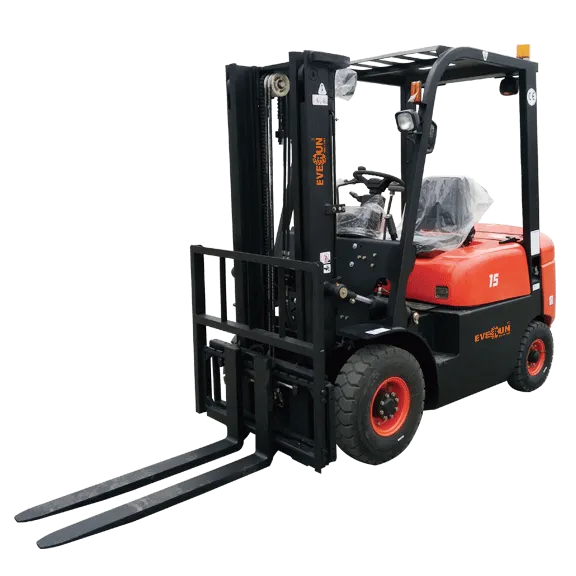
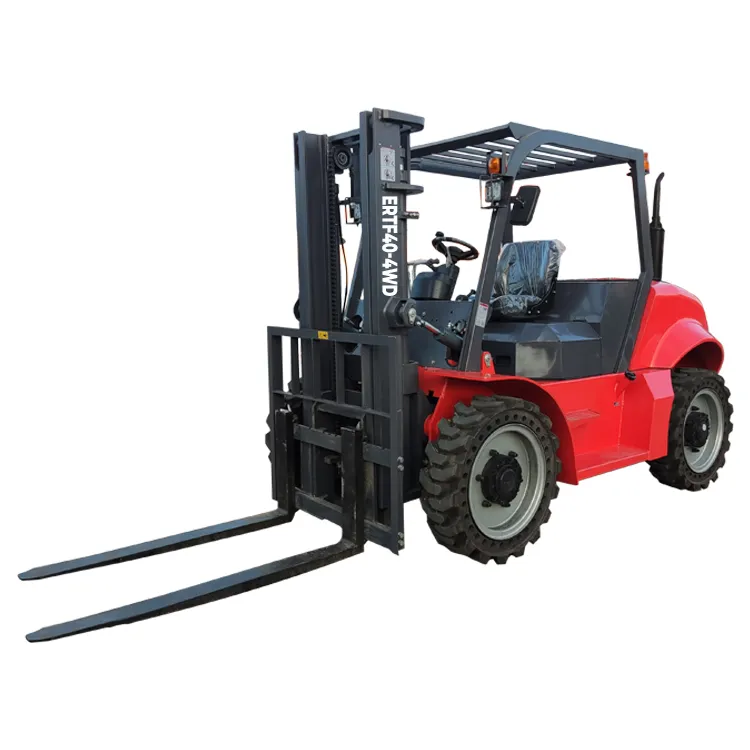
Telescopic Wheel Loader – EVERUN ER1500F
Manufacturer’s Reputation and Track Record
A manufacturer’s reputation is often a reflection of the quality of their products and the level of customer satisfaction they provide. An experienced manufacturer with a solid track record is more likely to produce reliable and high-performing mini skid steer loaders.
Industry Experience: A well-established manufacturer with years in the business has likely encountered and overcome various challenges, refining their products and processes over time. Look for manufacturers with a proven history in the industry.
Customer Testimonials and Reviews: Real-world experiences from other users can provide valuable insights into a manufacturer’s reliability and the performance of their mini skid steer loaders. Online reviews, industry forums, and customer testimonials can be a goldmine of information.
Awards and Recognitions: Awards from industry organizations or recognitions for innovation and sustainability practices can indicate a manufacturer’s commitment to excellence and continuous improvement.
Product Quality and Standards
The quality of a mini skid steer loader directly impacts its performance, longevity, and overall value. A manufacturer that prioritizes quality will use high-grade materials, adhere to industry standards, and implement strict quality control measures.
Materials Used in Construction: Durable materials such as heavy-duty steel and high-quality hydraulic components ensure the loader’s sturdiness and longevity. Inquire about the materials used and their resistance to wear and corrosion.
Adherence to Industry Standards: Certified manufacturers comply with industry standards for safety, performance, and environmental impact. Look for certifications such as ISO and ANSI to ensure the manufacturer meets these standards.
Quality Control Measures: A robust quality control process ensures that each loader undergoes rigorous testing before leaving the factory. This includes checks for structural integrity, performance under load, and the smooth operation of all components.
Range of Products and Customization Options
Different projects require different capabilities. A manufacturer offering a diverse range of mini skid steer loaders and attachments can better meet the unique demands of various applications.
Variety of Loader Models: From compact models for tight spaces to larger units for heavy-duty work, a broad range of models ensures that you find a loader that fits your project’s needs.
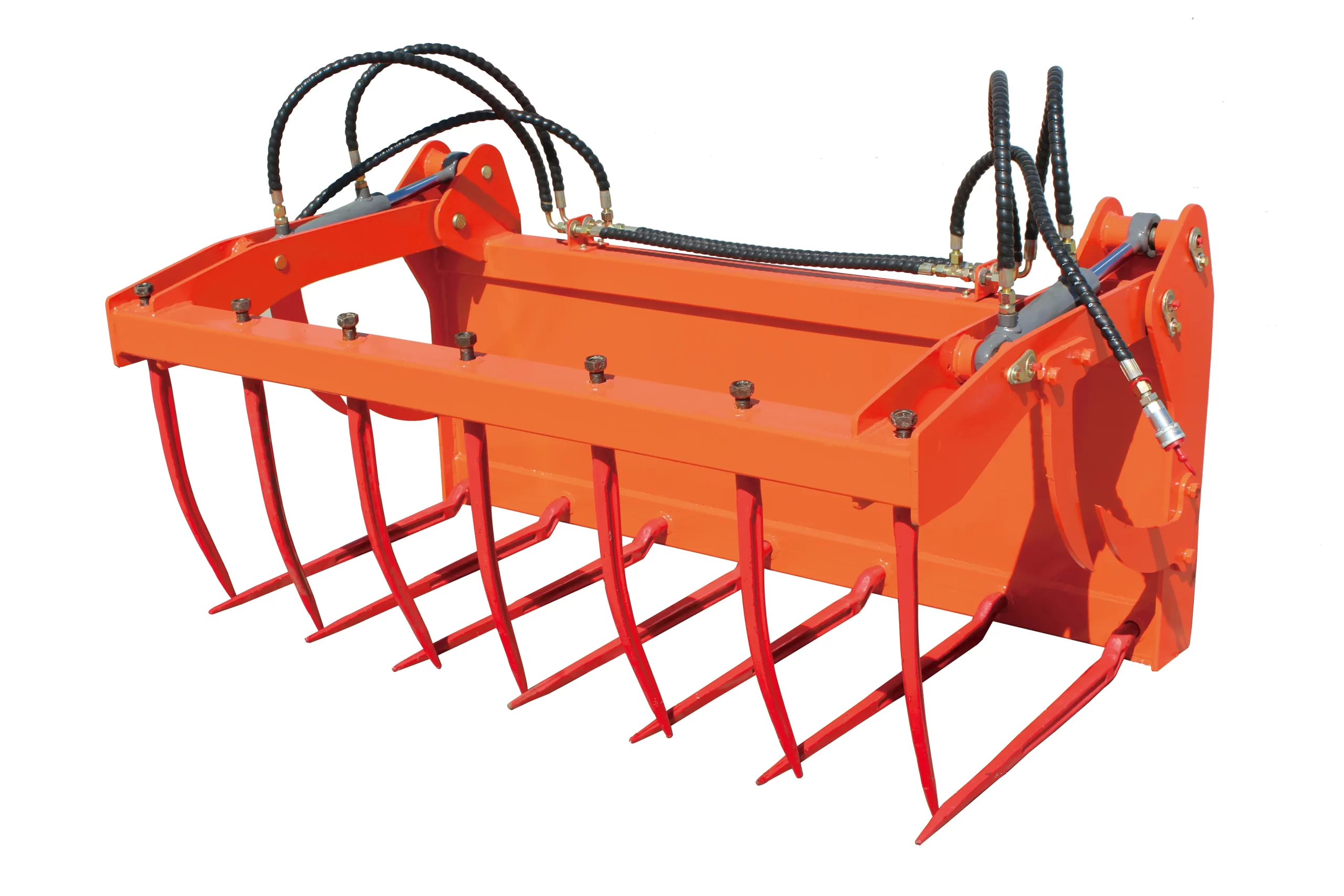
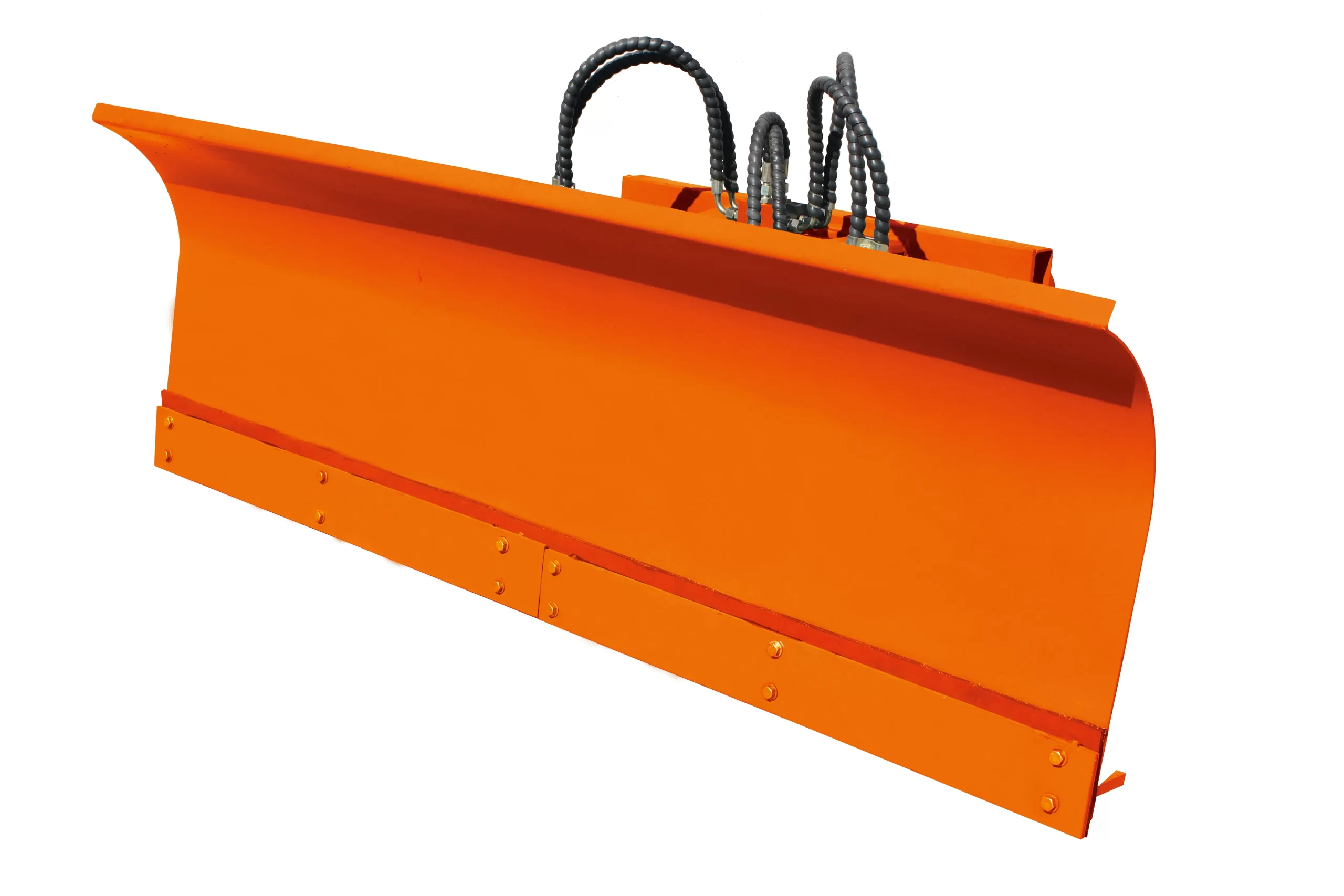
Availability of Attachments: The ability to switch out attachments quickly allows the loader to perform multiple tasks efficiently. Look for a manufacturer with a wide selection of attachments, from buckets and pallet forks to hammers and augers.
Customization Capabilities: Some manufacturers offer customization options, allowing you to tailor the loader to your specific requirements. This could include special paint jobs, additional safety features, or performance-enhancing modifications.
Performance and Efficiency
A mini skid steer loader’s performance and efficiency are critical for productivity and cost management. Manufacturers that prioritize these aspects will provide machines that work optimally and consume less fuel.
Power and Lift Capacity: The engine’s power and the loader’s lift capacity should match your workload. Underpowered machines may struggle, while over-powered machines can be unnecessarily expensive.
Fuel Efficiency and Operating Costs: A fuel-efficient loader not only reduces operating costs but also minimizes environmental impact. Consider the fuel consumption of different models and how it affects long-term costs.
Maneuverability and Versatility: The ability to navigate tight spaces and transition between tasks seamlessly is a hallmark of a well-designed mini skid steer loader. Look for models with excellent maneuverability and versatile operation.
Innovation and Technological Advancements
Innovations in mini skid steer loader design and technology can significantly enhance functionality and ease of use. Manufacturers at the forefront of technological advancements are likely to offer the most advanced features.
Use of Advanced Technologies: Features like computer-aided control systems, automatic load sensing, and intelligent diagnostics can improve performance and simplify operation.
Research and Development Efforts: A manufacturer that invests in R&D is more likely to introduce new features and improvements regularly, ensuring their loaders remain competitive.
Smart Features and Connectivity: Some manufacturers integrate smart technology, allowing for remote monitoring and control, as well as data analysis for predictive maintenance and performance optimization.
After-Sales Service and Support
After-sales service and support are crucial for maintaining the longevity and performance of your mini skid steer loader. A manufacturer that provides excellent support is a valuable partner in the long term.
Warranty Coverage: A comprehensive warranty program indicates a manufacturer’s confidence in their product and provides peace of mind for the buyer.
Availability of Spare Parts: Quick access to spare parts is essential for minimizing downtime. Ensure the manufacturer has a reliable supply chain for parts and a network of distributors or service centers nearby.
Customer Service and Technical Support: Responsive and knowledgeable customer service and technical support can make a significant difference in resolving issues promptly and effectively.
Training and Operator Support
Proper operation and maintenance of a mini skid steer loader are essential for safety and performance. Manufacturers that offer training and support ensure that operators can use the machine to its full potential.
Operator Training Programs: Comprehensive training programs that cover safe operation, maintenance, and troubleshooting can help operators get the most out of the loader.
Safety Guidelines and Certifications: Manufacturers that prioritize safety provide clear guidelines and may even offer certification programs, ensuring that operators are well-trained and aware of safety protocols.
Ongoing Support for Optimal Operation: Regular updates, tips, and best practices from the manufacturer can help operators maintain optimal performance and extend the life of the loader.
Price and Value for Money
While price is an important consideration, it should not be the sole deciding factor. A manufacturer that offers a balance of quality, performance, and affordability provides the best value for money.
Competitive Pricing: Compare prices among different manufacturers, considering the features and quality offered. A competitive price does not necessarily mean compromising on quality.
Total Cost of Ownership: Factor in the total cost of ownership, including purchase price, operating costs, maintenance, and potential repairs. A loader with a lower initial cost may end up being more expensive in the long run if it requires frequent repairs or has higher operating costs.
Value-Added Services: Some manufacturers may offer additional services such as financing options, extended warranties, or rental programs, adding value to the purchase.
Environmental and Sustainability Practices
In today’s environmentally conscious market, manufacturers that prioritize eco-friendly practices are increasingly valued.
Eco-Friendly Manufacturing Processes: Look for manufacturers that employ energy-efficient production methods and minimize waste during the manufacturing process.
Use of Sustainable Materials: Manufacturers that source sustainable materials and components not only contribute to environmental conservation but also promote a circular economy.
Corporate Social Responsibility: A manufacturer’s commitment to social responsibility, including fair labor practices and community engagement, can be a deciding factor for environmentally and socially conscious buyers.
Conclusion
Selecting the right mini skid steer loader manufacturer is a critical decision that affects the productivity, safety, and return on investment of your operations. By considering the factors outlined in this article, buyers can make an informed choice that aligns with their specific needs and ensures a long-lasting and successful partnership with their chosen manufacturer. It is essential to conduct thorough research, compare different manufacturers, and consider not only the initial purchase cost but also the total cost of ownership and the value-added services offered. By doing so, you can find a manufacturer that provides high-quality, reliable, and innovative mini skid steer loaders, supported by excellent after-sales service and a commitment to sustainability.