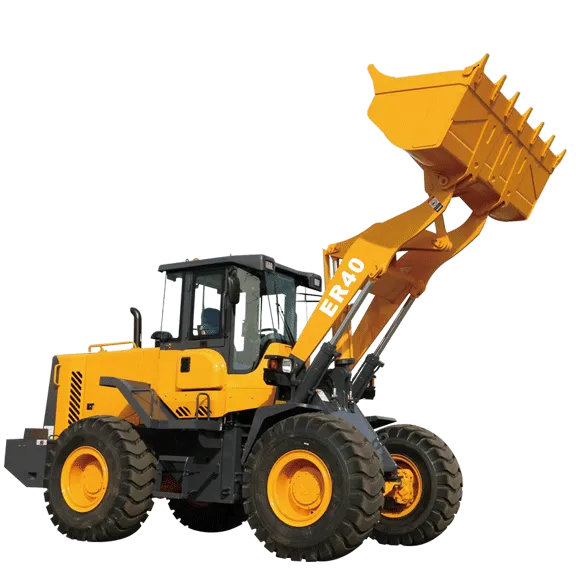
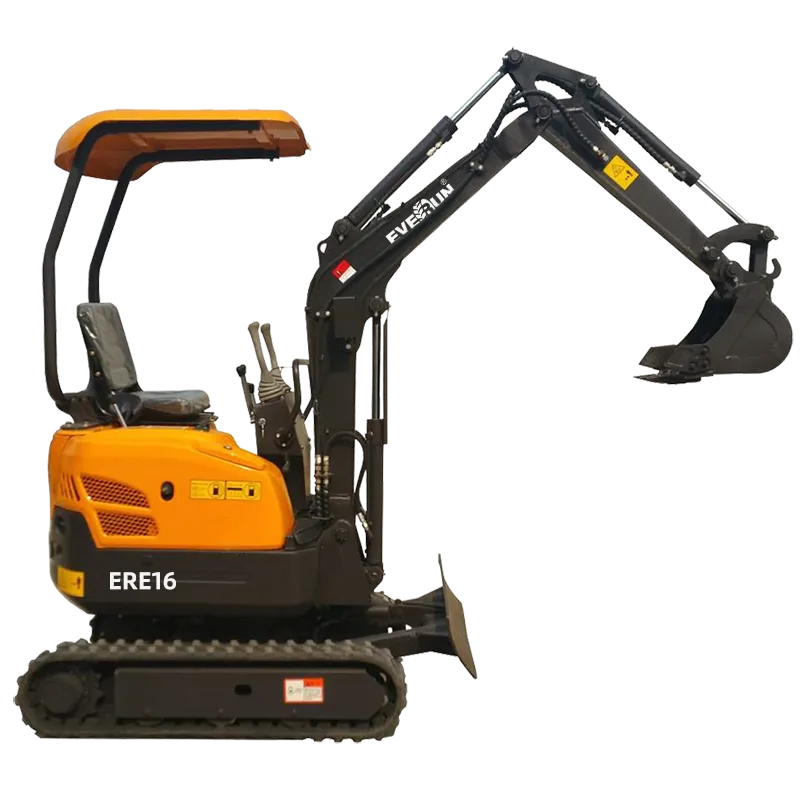
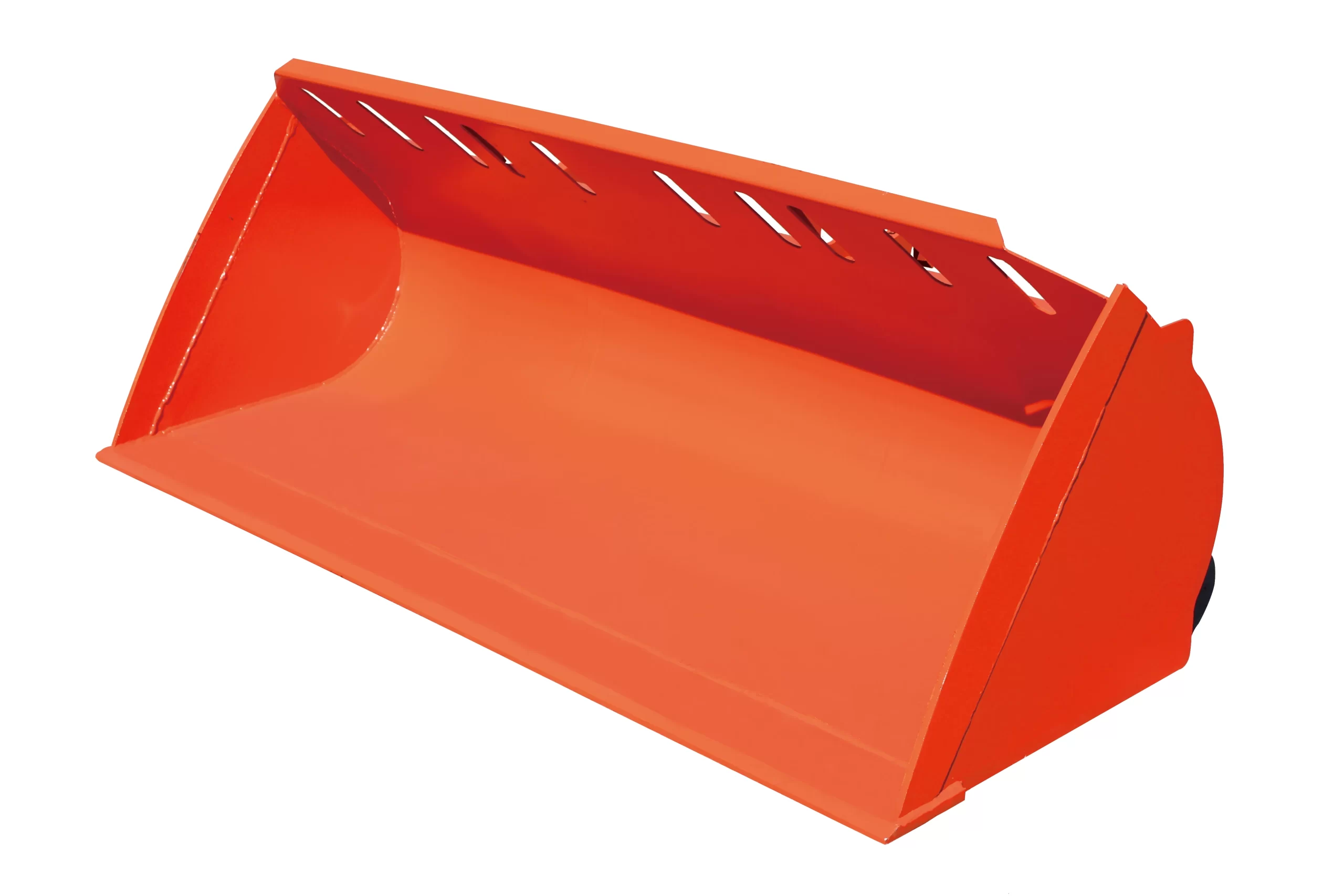
As a compact and powerful construction equipment, the mini telescopic loader has been widely used in various engineering projects in recent years, especially in urban construction, landscaping, and small construction sites. With its small size and flexible operability, it can easily enter narrow working spaces, such as urban lanes, around buildings, and other places that traditional large machinery cannot enter.
Its retractable working arm and multifunctional design enable it to not only perform basic operations such as loading and unloading, handling, and stacking but also replace different attachments according to needs to complete various tasks such as grabbing and excavation. Whether in terms of efficient operation, fuel economy, or environmental emissions, the mini telescopic loader has performed well and has become an indispensable and important tool in modern engineering.
Security and stability of the mini telescopic loader
Despite its compact size, the mini telescopic loader is able to ensure efficient operation while ensuring the safety of the operator through precision design and a series of advanced safety technologies. The following are several key safety technologies and designs that help improve the safety of the loader’s work:
Stability monitoring system
Mini telescopic loader is usually equipped with advanced stability monitoring systems to monitor the tilt angle and load status of the equipment in real-time. During operation, if it detects that the operating conditions may cause the equipment to lose balance, the system will automatically issue a warning or restrict the operation.
Reverse alarm system
Reverse operation is a common working method for loaders, especially in narrow spaces. The mini telescopic loader is equipped with a reverse alarm system. Once the equipment is reversed, the system will automatically issue a sound warning to alert surrounding personnel. This helps avoid accidental collisions caused by blind spots or inattention and enhances the safety of the construction site.
Visual assistance system
Loaders are often equipped with a 360-degree visual monitoring system to provide a clear view of the surrounding environment. Through high-definition cameras and displays, operators can observe the dynamics around the equipment in real-time, reduce blind spots, and avoid safety accidents caused by limited vision.
Anti-collision system and automatic braking
Some are equipped with anti-collision systems. When obstacles are detected in front of or around the equipment, the system will issue a warning and automatically slow down or enable the braking function. These automated safety measures can help operators maintain a safe distance in complex environments and avoid collisions with obstacles or people.
Body design and stability
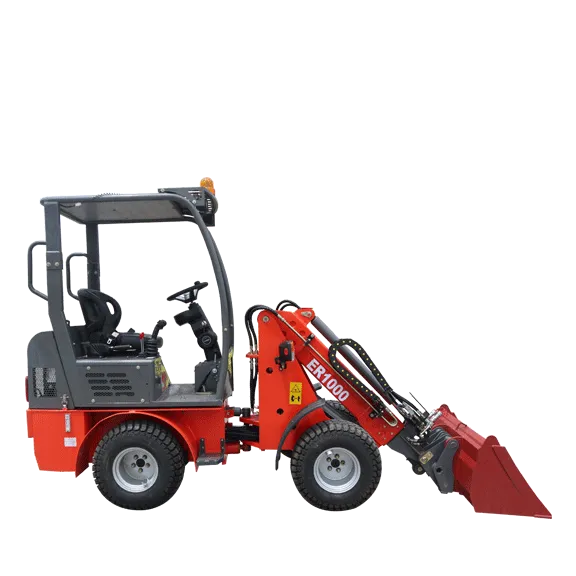
The body design emphasizes a low center of gravity and wide wheelbase, which helps to improve the stability of the equipment and reduce the risk of rollover. Coupled with the high-strength chassis and durable structure, the mini loader can operate stably on rugged ground or inclined areas, providing operators with a safer working experience.
Protective structure and operator protection
To further ensure the safety of the operator, the cab is usually designed as a sturdy protective structure with seat belts and protective frames. The operator can get sufficient physical protection during operation, especially in high vibration or bumpy environments, reducing the harm to the operator from external factors.
Automated control and alarm function
Modern mini telescopic loader is increasingly integrated with intelligent control systems. When the equipment has abnormal operation, system failure, or potential safety hazards, the automatic alarm system will remind the operator to take timely action to avoid fault escalation or accidents.
Summary.
Market demand and development trend
Infrastructure construction in emerging markets
Accelerated urbanization: With the acceleration of urbanization around the world, especially in emerging markets such as Asia, Africa, and Latin America, the demand for infrastructure construction has increased significantly. With its compact design and flexible operability, the mini telescopic loader has become an ideal choice for infrastructure construction in these markets, especially in small-scale construction, road maintenance, landscaping, and other projects.
Demand for miniaturized equipment: Emerging markets often face challenges of tight land and small construction space, and traditional large machinery is not suitable for narrow and complex construction environments. As efficient small construction equipment, mini telescopic loaders are lightweight and flexible, making them the first choice for many projects, especially urban construction and rural infrastructure projects.
Technological innovation and intelligent development
Intelligent control and automation: With the advancement of technology, many mini telescopic loaders are equipped with intelligent control systems, such as GPS positioning, remote monitoring, and automated operation, making the use of equipment more accurate and efficient. These intelligent technologies are particularly popular in emerging markets because they can improve operational accuracy, reduce human errors, and reduce equipment maintenance costs.

Remote diagnosis and maintenance: The after-sales service and equipment maintenance system in emerging markets is relatively weak, and remote diagnosis and intelligent maintenance functions have become important tools to solve this problem. Through the remote monitoring system, the equipment’s working status, fault diagnosis, maintenance reminders, etc. can be fed back to operators or maintenance personnel in real-time, reducing equipment failure time and improving equipment availability.
FAQ
Q1: What construction sites are suitable for mini telescopic loader?
A1: It is particularly suitable for areas with limited space and narrow working environments, such as urban lanes, dense construction sites, landscaping, small agricultural facilities, and narrow building renovation sites. It can easily pass through narrow passages and complete efficient operations.
Q2: What are the main functions of the mini telescopic loader?
A2:It has a variety of functions, including loading, handling, digging, cleaning, stacking, etc. It can adapt to different operating needs by replacing different attachments (such as buckets, forklifts, grabs, etc.). Due to its telescopic arm design, it can provide a larger operating range and height when working.
Q3: What are the maintenance requirements of the mini telescopic loader?
A3: Maintenance is relatively simple, and it is usually necessary to regularly check the hydraulic system, engine, tires, oil, etc. Many devices are equipped with intelligent monitoring systems that can remind operators to perform necessary maintenance and repairs. Due to its compact design and few parts, the maintenance cost is low and it is relatively easy to replace parts.