
|
|||||||||||||||||||||||||||||||||||||||||||||||||||||||||||||||||||||||||||||||||||||||||||







1. Functionality and Features Perspective
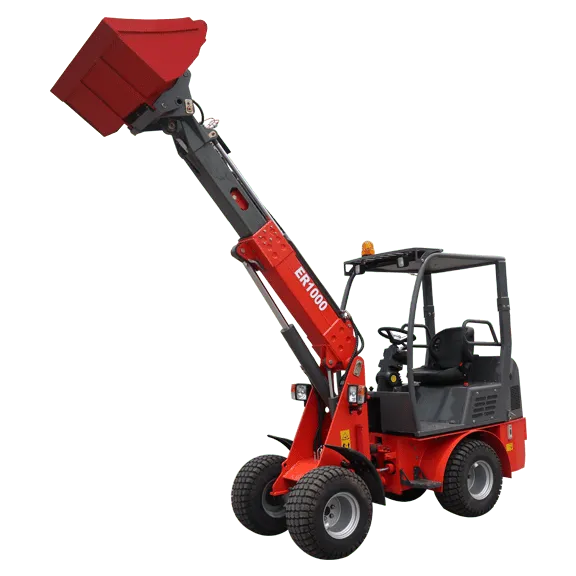
- Versatility: Compact telescopic wheel loaders offer a combination of the lifting capability of a telescopic handler and the maneuverability of a wheel loader. This makes them versatile for tasks like loading, stacking, and material handling.
- Compact Size: Their smaller footprint allows for efficient operation in confined spaces such as urban construction sites or agricultural barns. Despite their size, they can lift heavy loads, making them suitable for various applications.
- Telescopic Boom: The extendable boom provides increased reach, enabling operators to load trucks, stack materials at higher heights, or access hard-to-reach areas. This feature extends the loader’s functionality beyond that of a standard wheel loader.
2. Application Perspective
- Construction Industry: In construction, these loaders are used for tasks such as transporting materials, debris removal, and site preparation. Their compact nature is ideal for small and medium-sized projects or urban settings where space is limited.
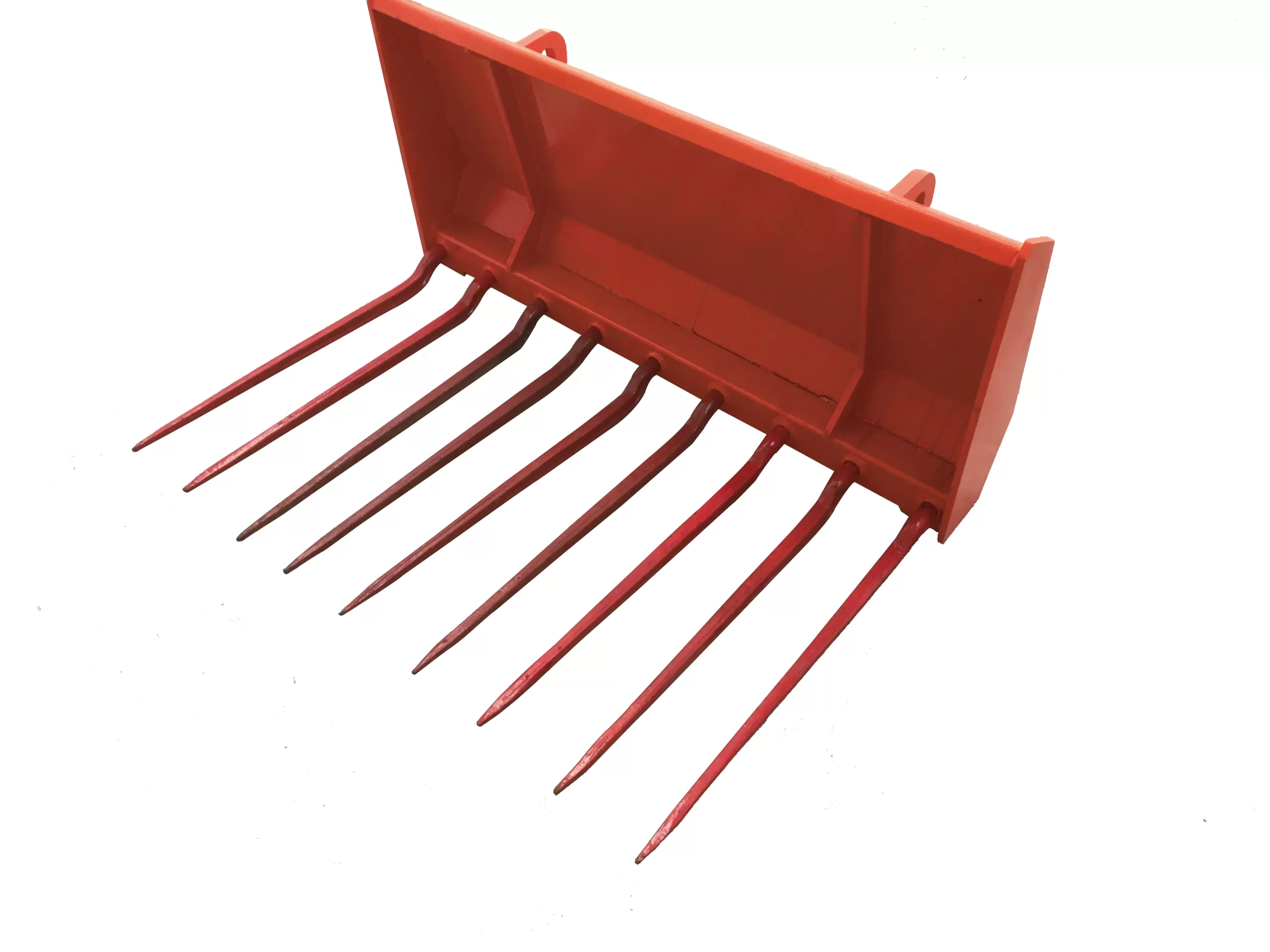
- Agricultural Sector: Farmers benefit from using compact telescopic wheel loaders for tasks like feeding livestock, moving hay bales, and clearing manure. Their lifting height and maneuverability make them suitable for work in barns and silos.
- Landscaping and Forestry: Landscaping projects often require moving soil, gravel, or tree trunks, where a telescopic wheel loader’s versatility can be invaluable. In forestry, they are used for transporting logs and clearing land.
3. Technical and Design Perspective
- Engine and Power Output: Compact telescopic wheel loaders are equipped with powerful engines, offering high torque and efficiency. This allows them to perform demanding tasks while consuming less fuel, reducing operational costs.
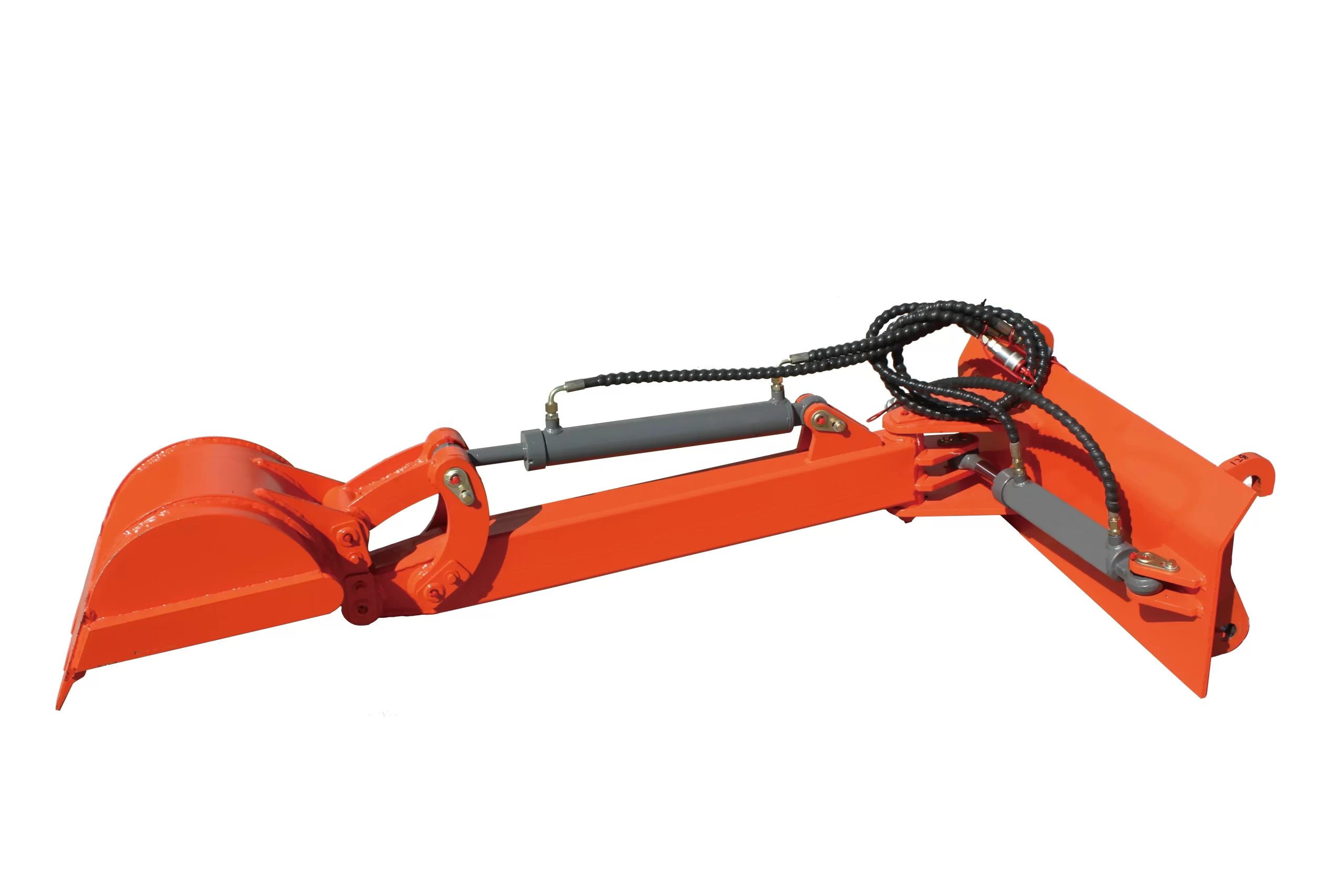
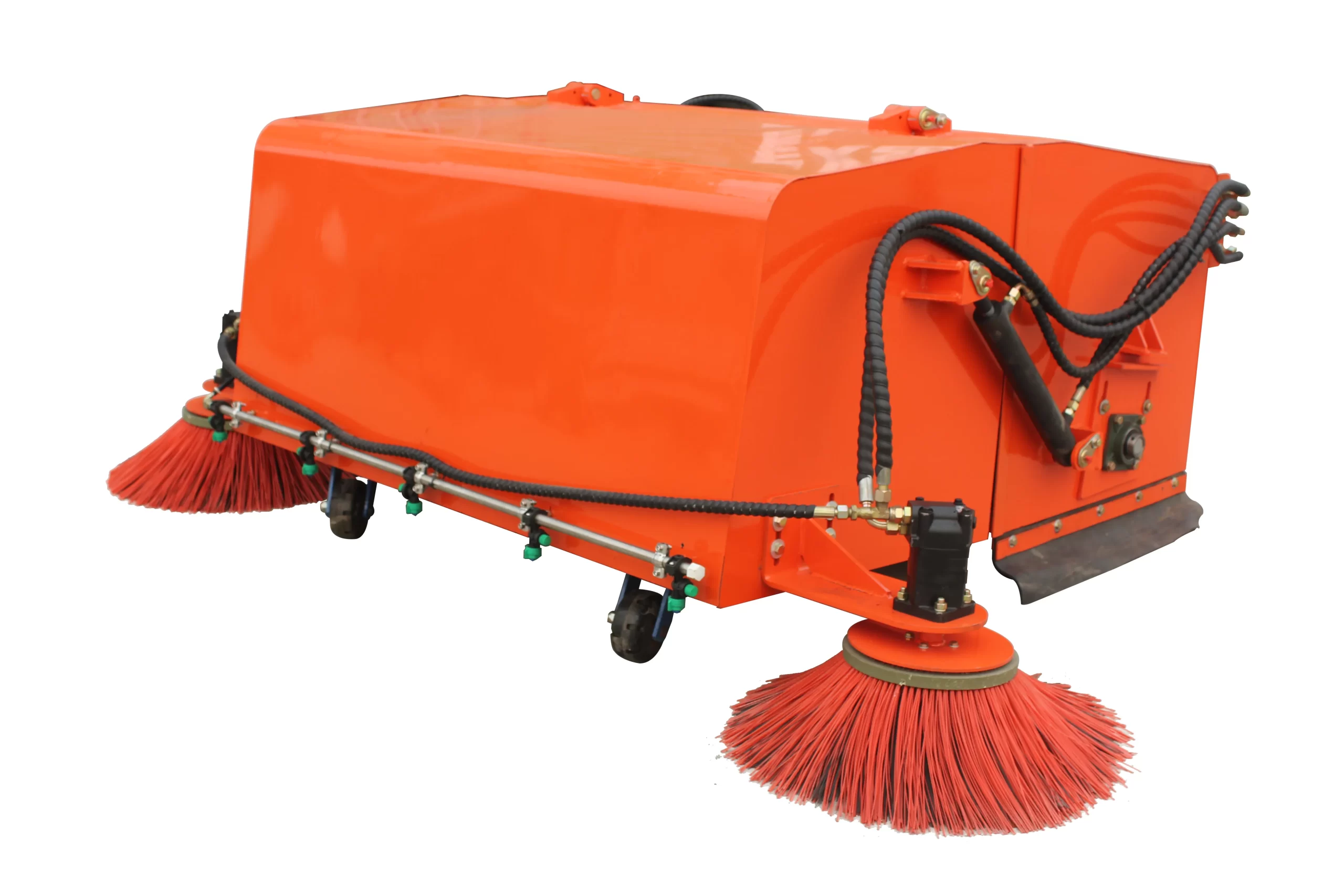
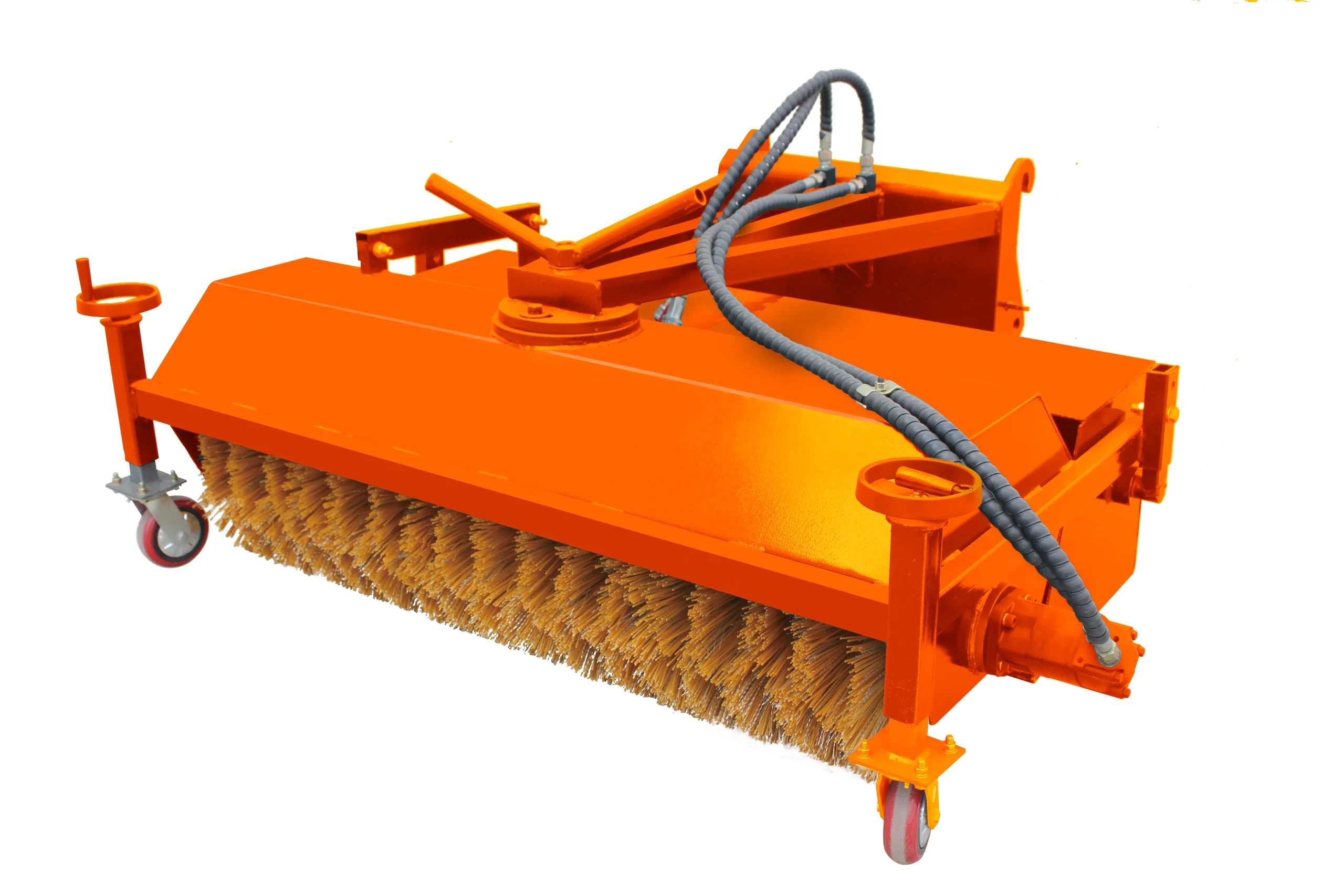
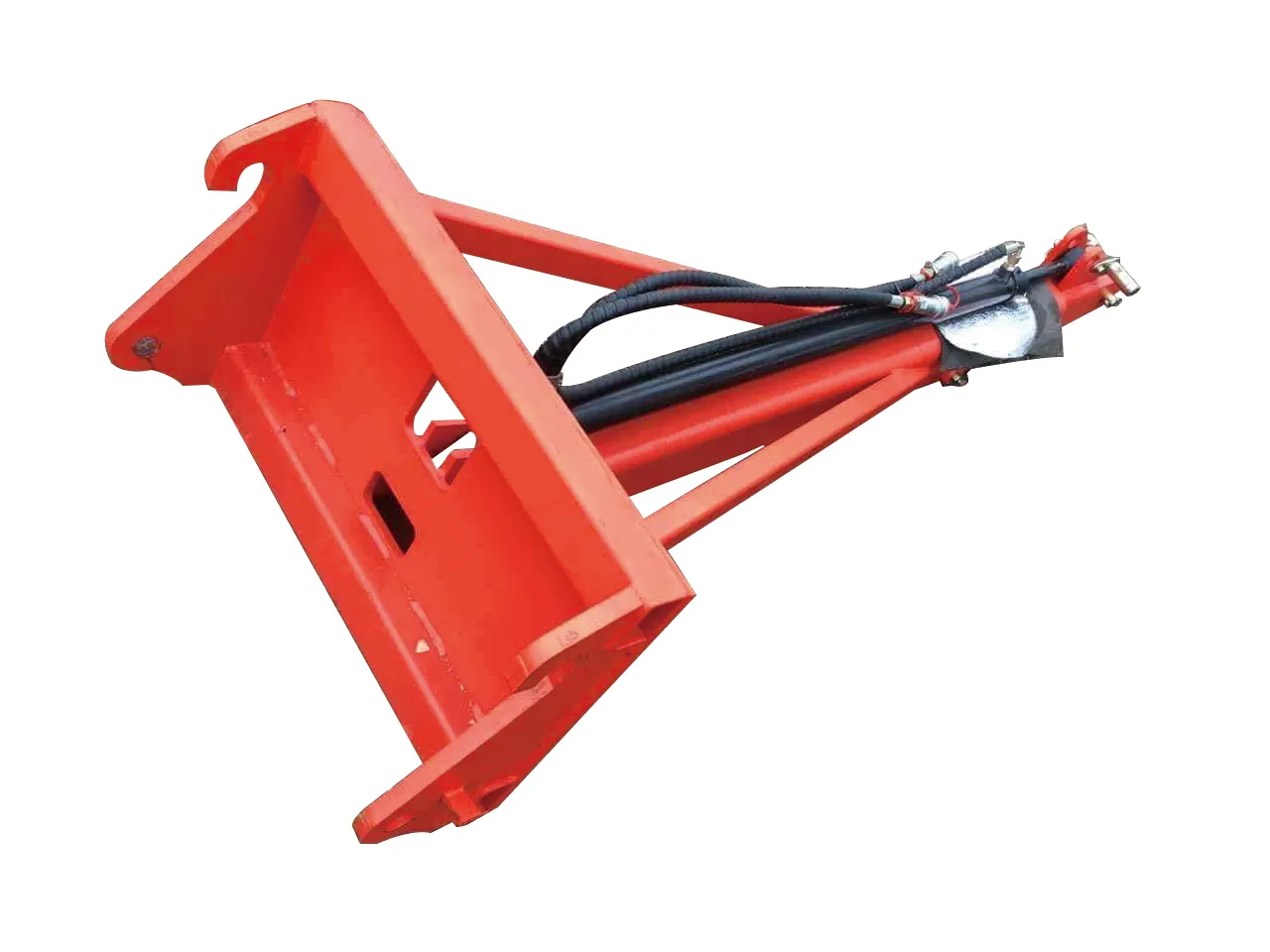
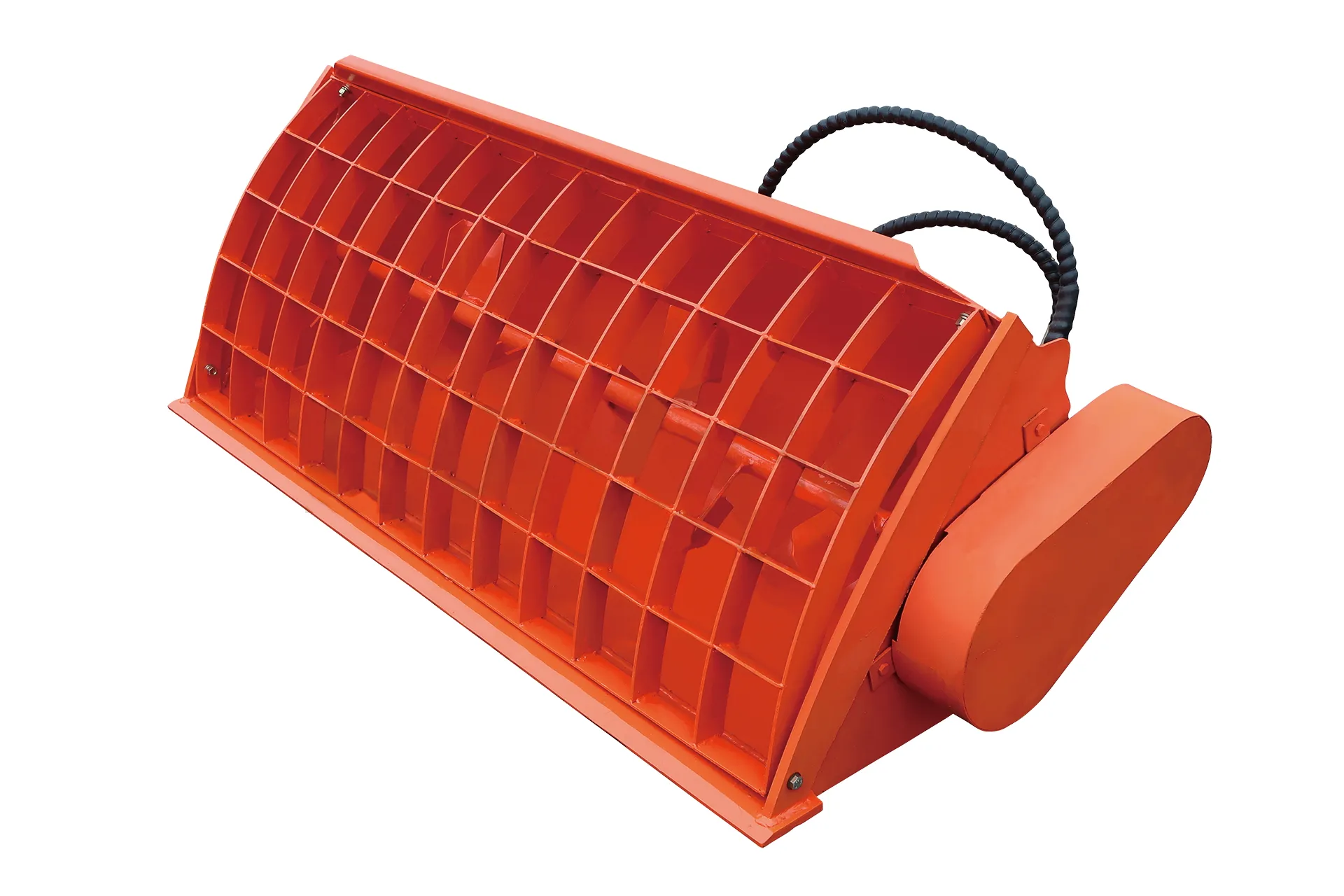
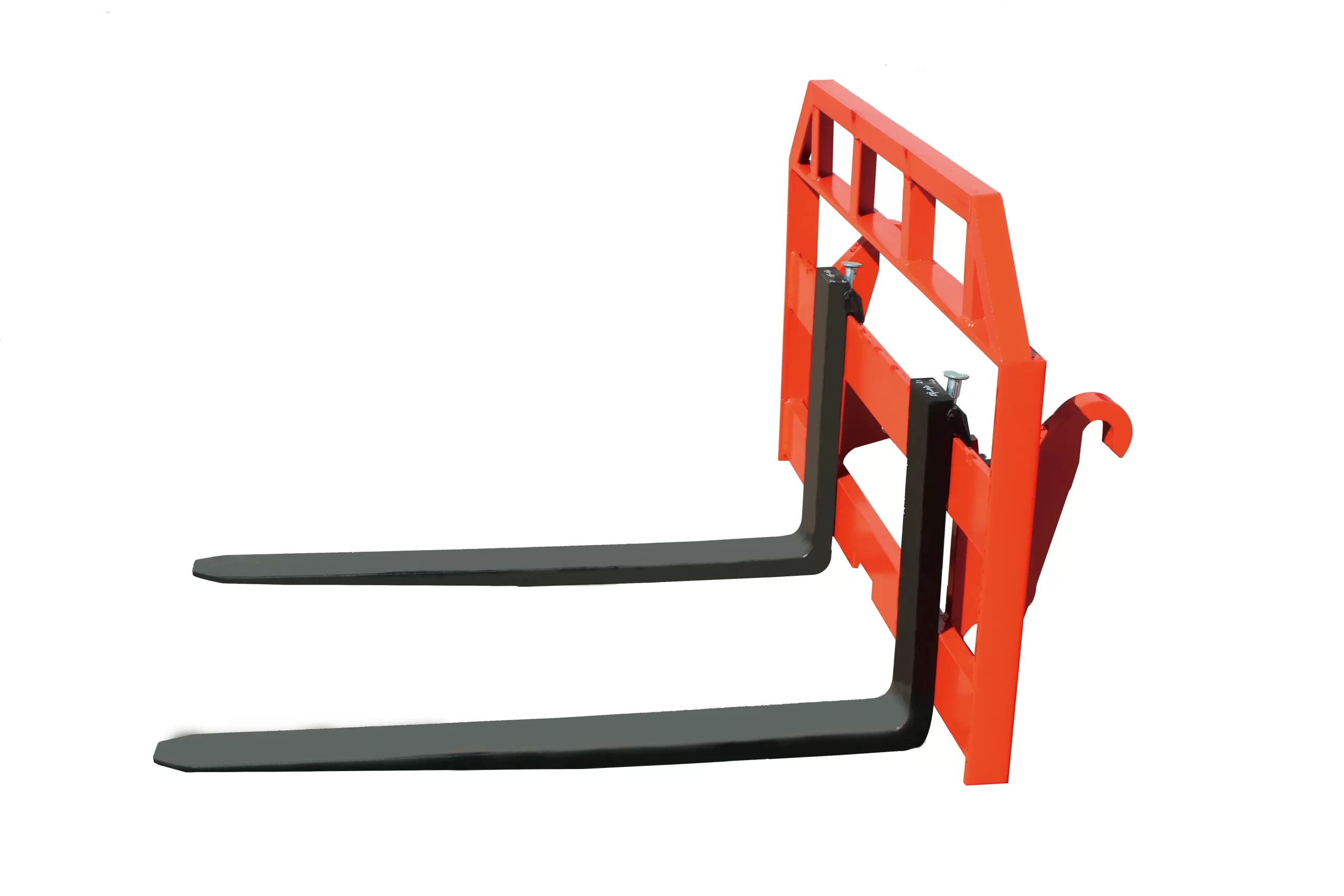
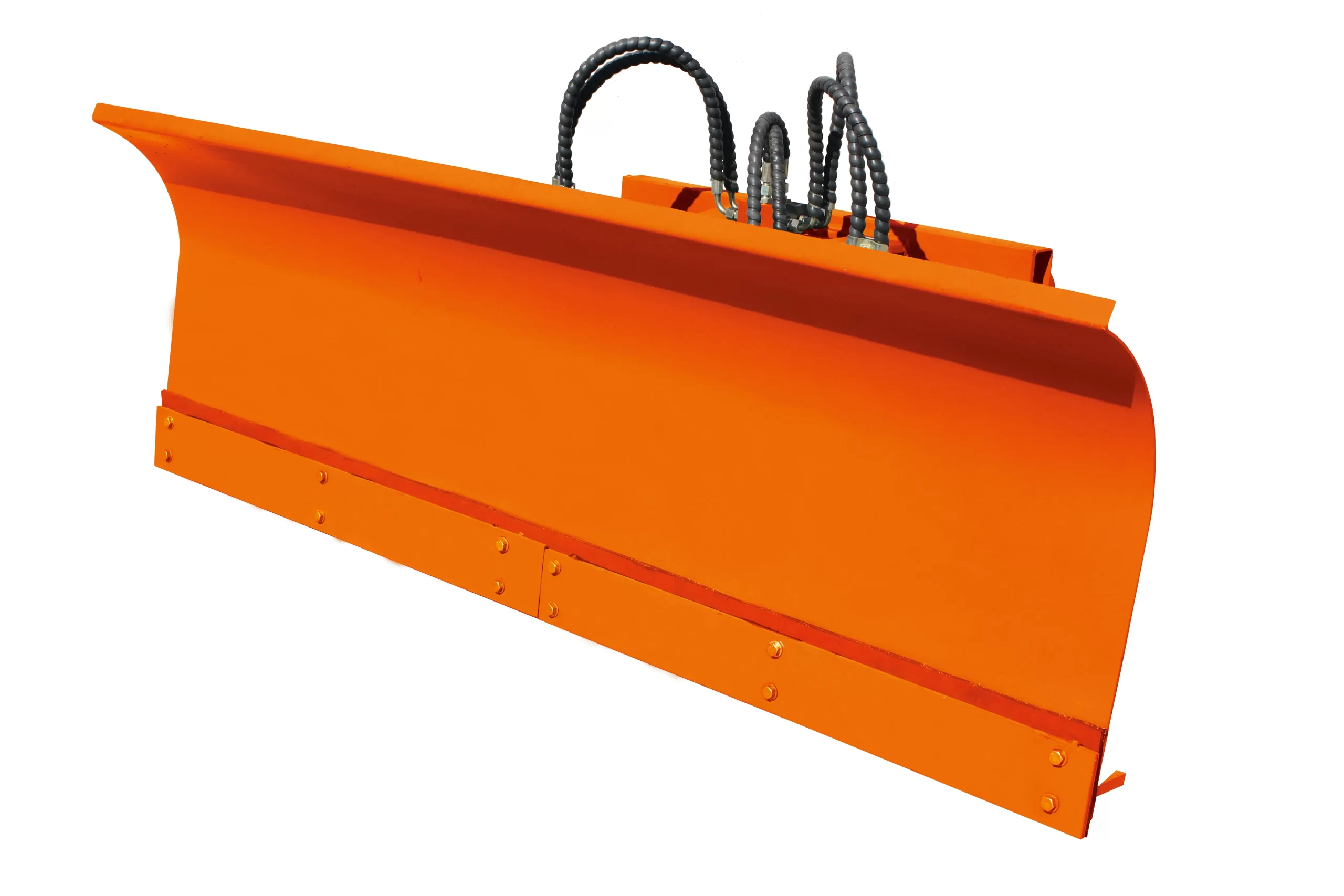
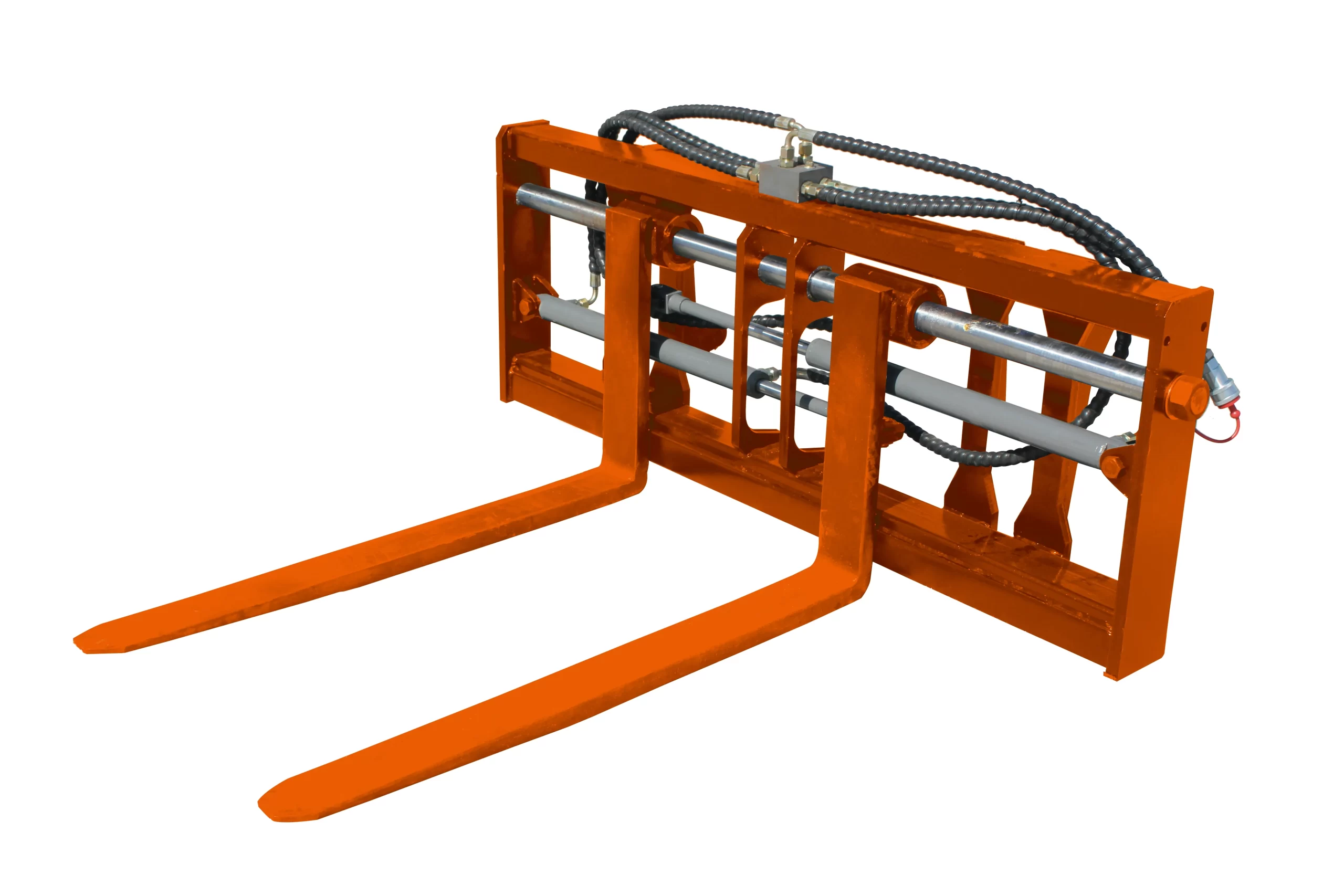
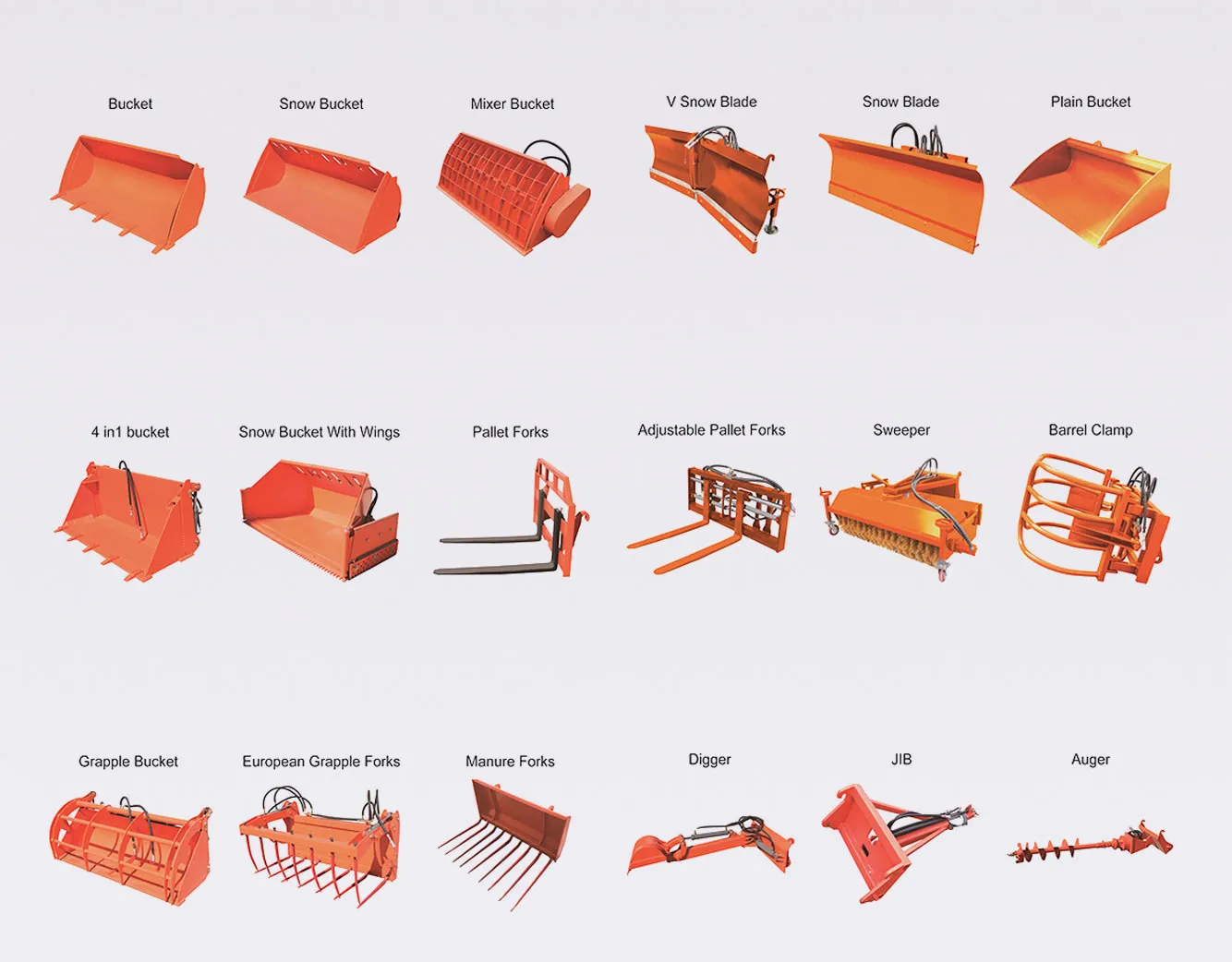
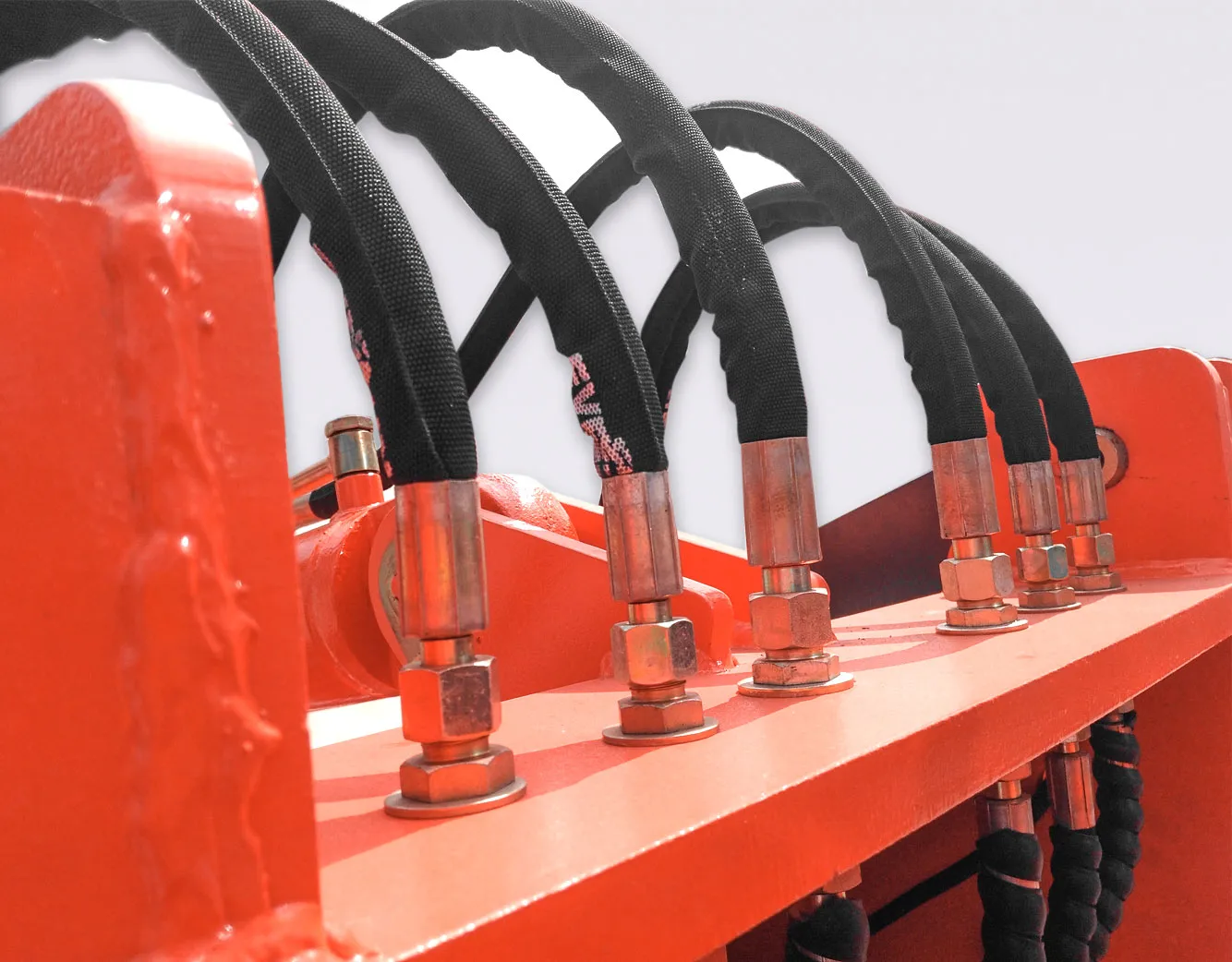
- Hydraulic System: A robust hydraulic system provides smooth and precise control over the boom and attachments, enhancing productivity. The hydraulic flow rate can also accommodate various attachments such as buckets, forks, or grapples.
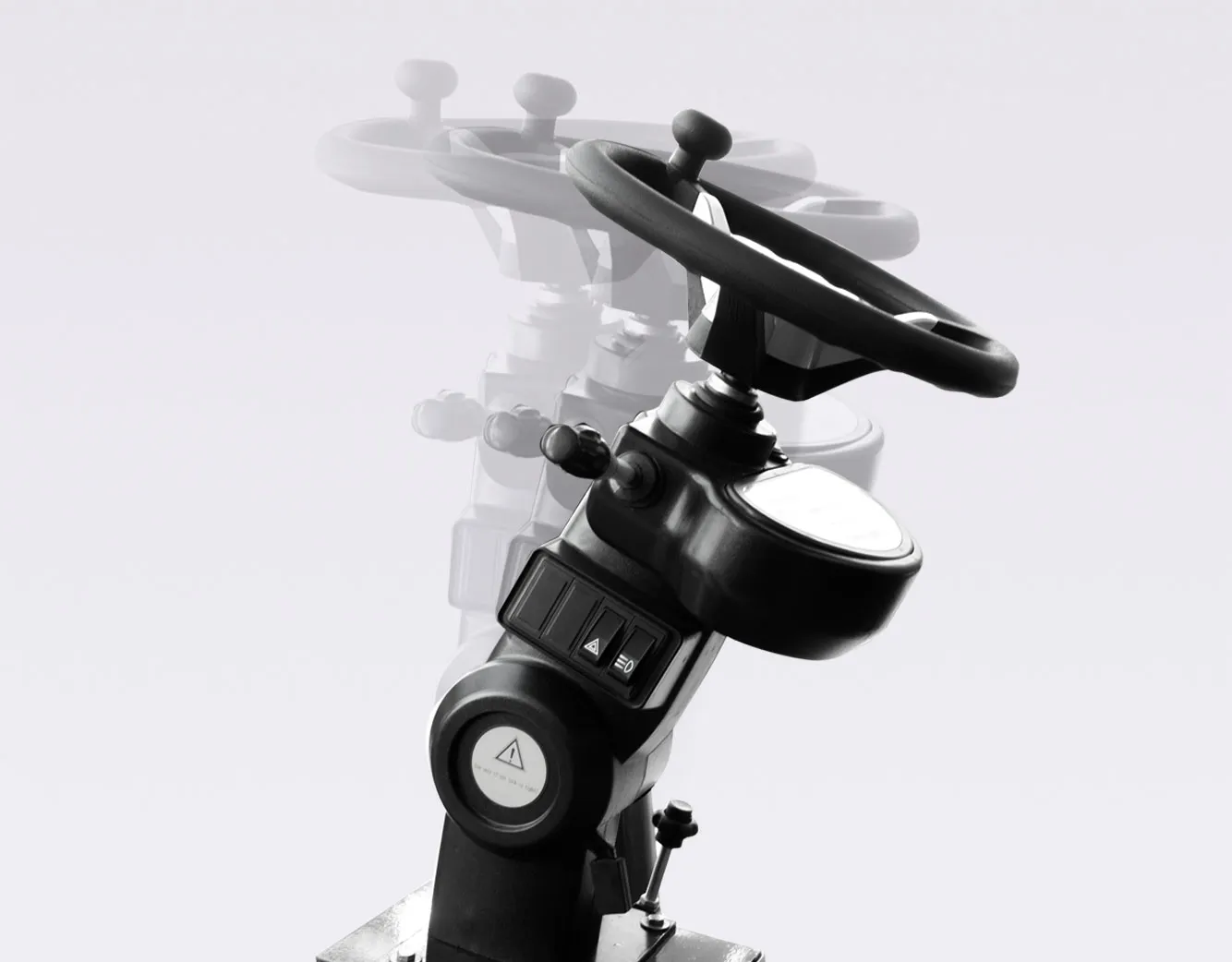
- Cab Design and Operator Comfort: Modern models come with ergonomically designed cabs featuring adjustable seats, climate control, and intuitive controls. This ensures operator comfort and reduces fatigue during long hours of operation.
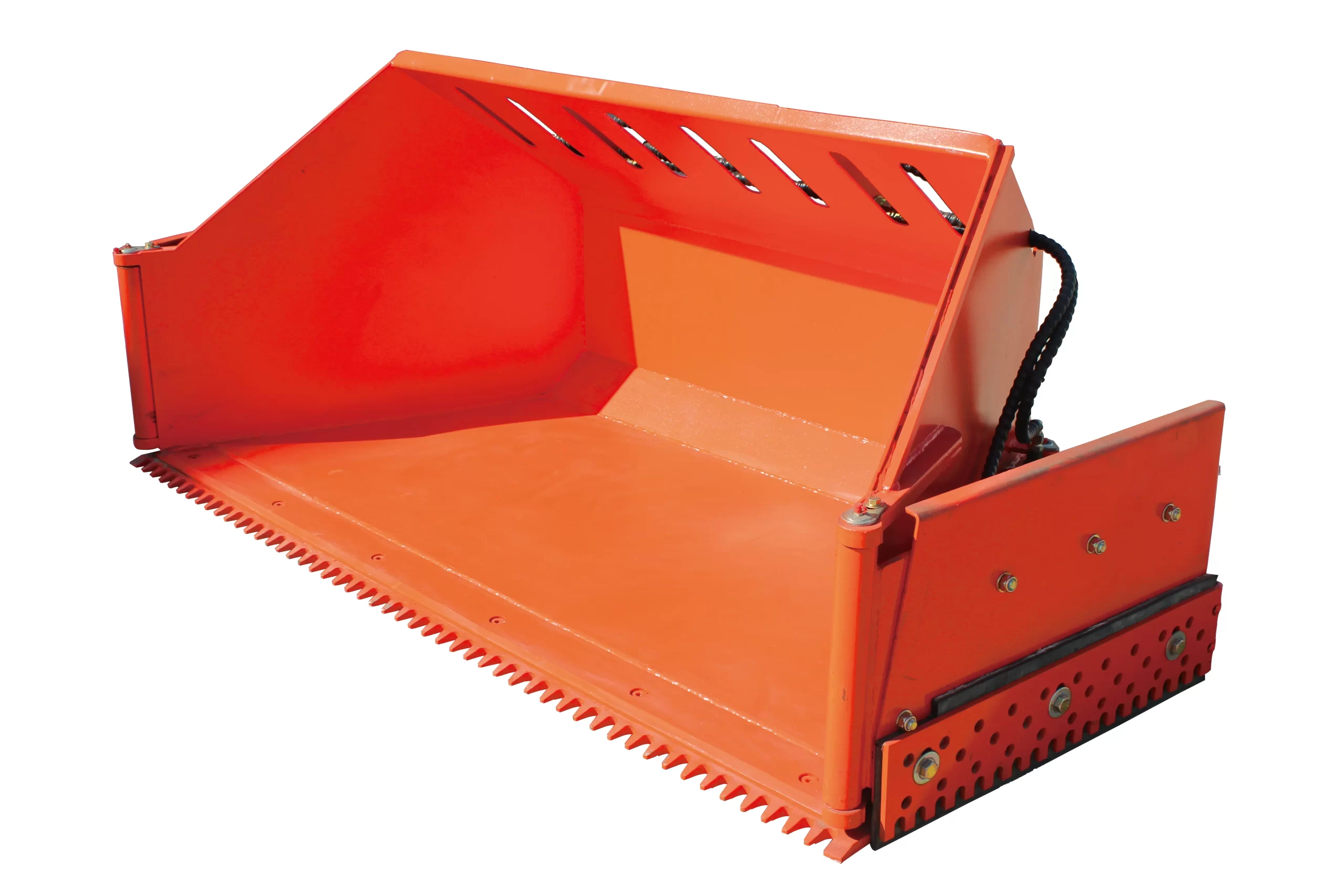
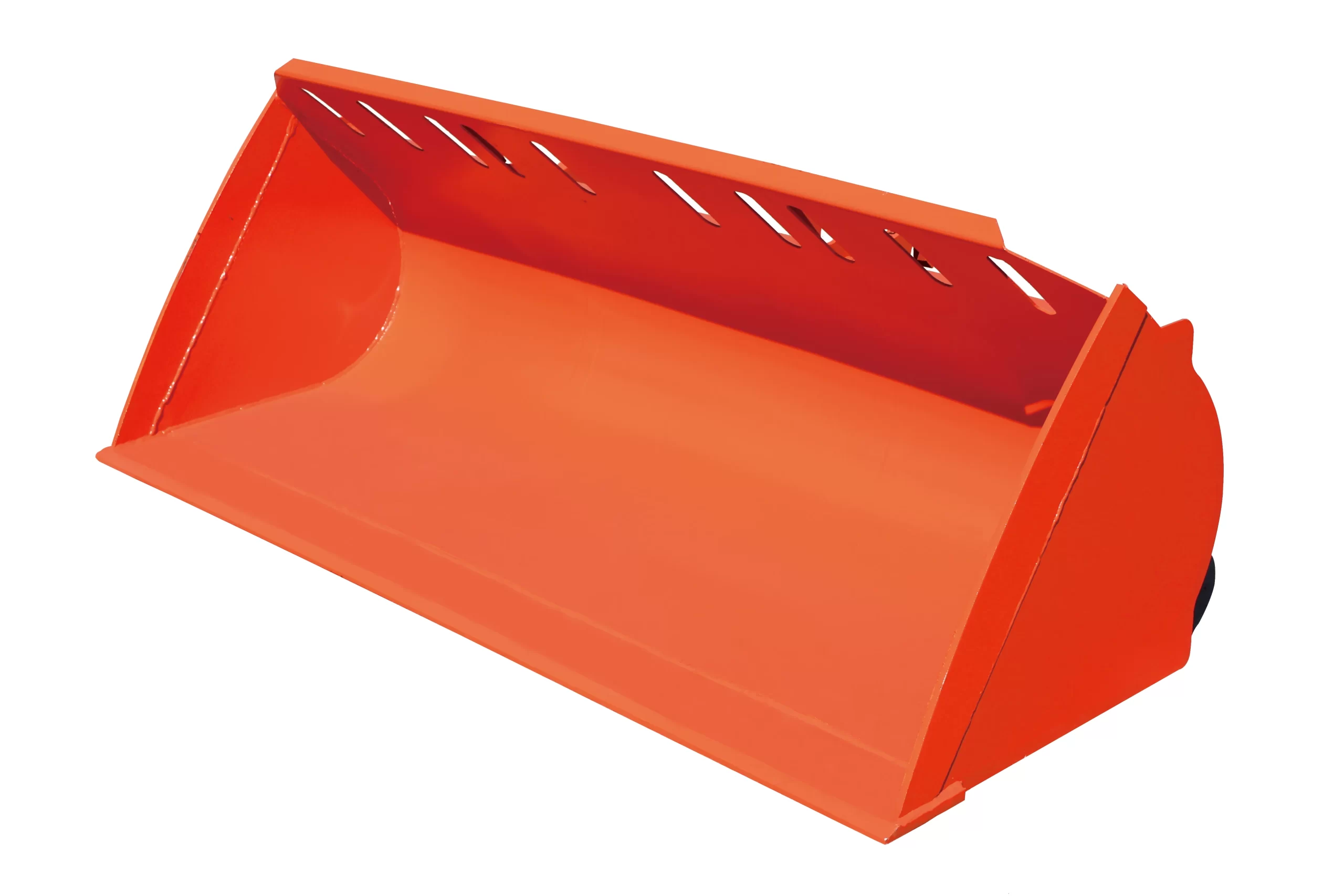
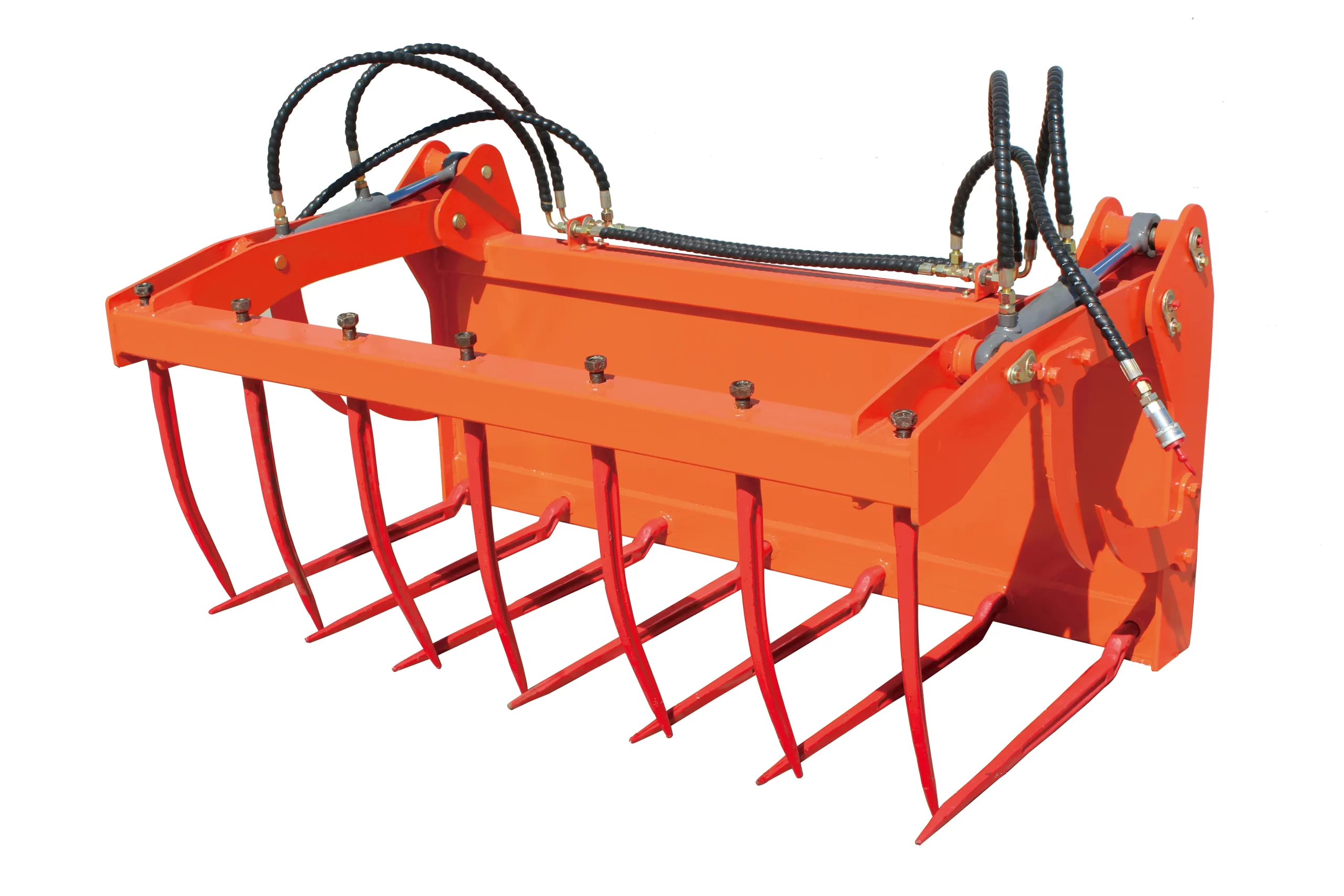
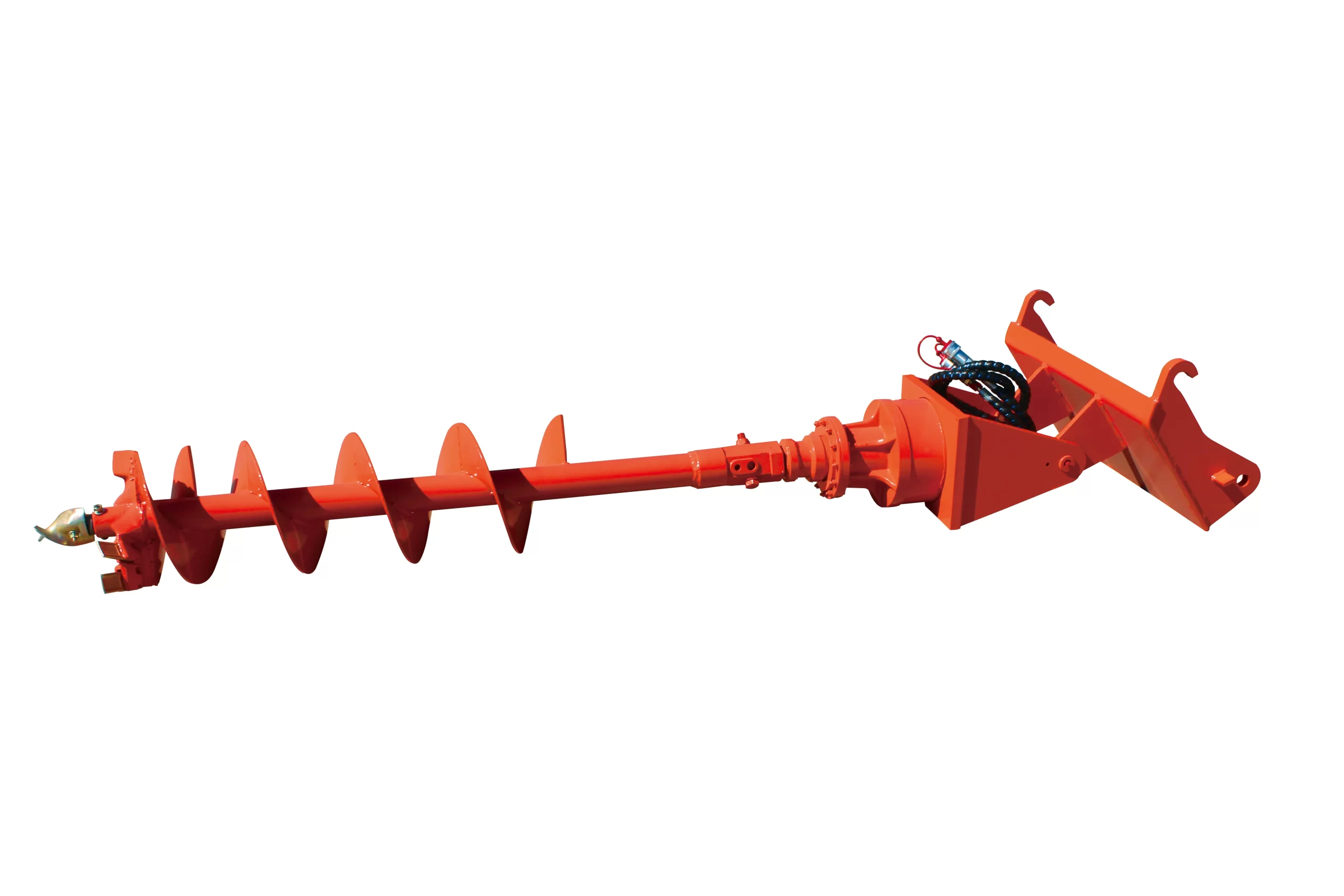
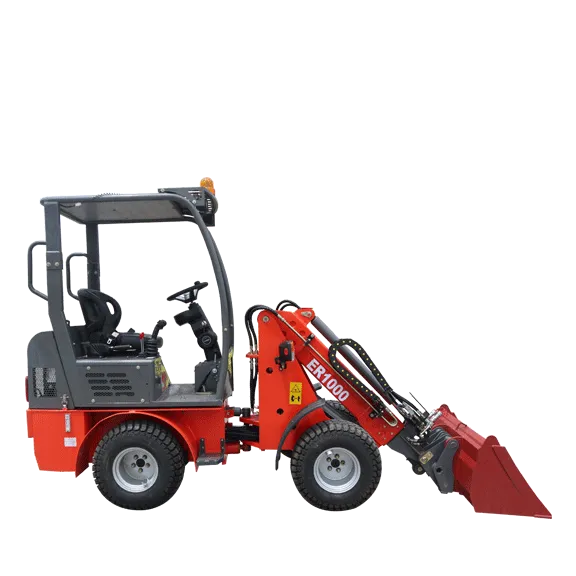
A mini telescopic loader is a compact and multifunctional construction machinery designed to perform various tasks in a limited space. It is equipped with a telescopic arm that can lift the bucket or other attachments to a higher working position, suitable for narrow or complex work environments. Despite its small size, it has strong load-bearing capacity and high maneuverability, and is widely used in fields such as architecture, agriculture, landscaping, and urban construction. Small telescopic loaders typically have a four-wheel drive system that can travel on uneven terrain and are equipped with various replaceable attachments such as buckets, forklifts, grabs, etc., to meet different work needs. It is easy to operate, suitable for operators with different levels of experience, and has high safety. It is often equipped with a rollover protection system and load sensing device.
Working principle of mini telescopic loader
The working principle of a mini telescopic loader is to use a hydraulic system and telescopic arm structure, so that its hydraulic system drives a hydraulic pump through an engine to provide power to drive the telescopic arm, bucket or other accessories. Hydraulic oil flows through multiple valves and pipelines to control the telescopic action of the telescopic arm and the tilt angle of the bucket. The telescopic arm itself is composed of multiple hinge points, which can adjust the working height and range through the extension and contraction of hydraulic cylinders to complete material handling, excavation and other operations. The operator adjusts the hydraulic system through control levers or buttons, precisely controlling the extension and retraction of the telescopic arm and the operation of the bucket. In addition, the four-wheel drive system ensures that the machine has good traction and can adapt to various complex terrains. Easy to operate, able to work flexibly in small spaces.
Advantages of Mini Telescopic Loader
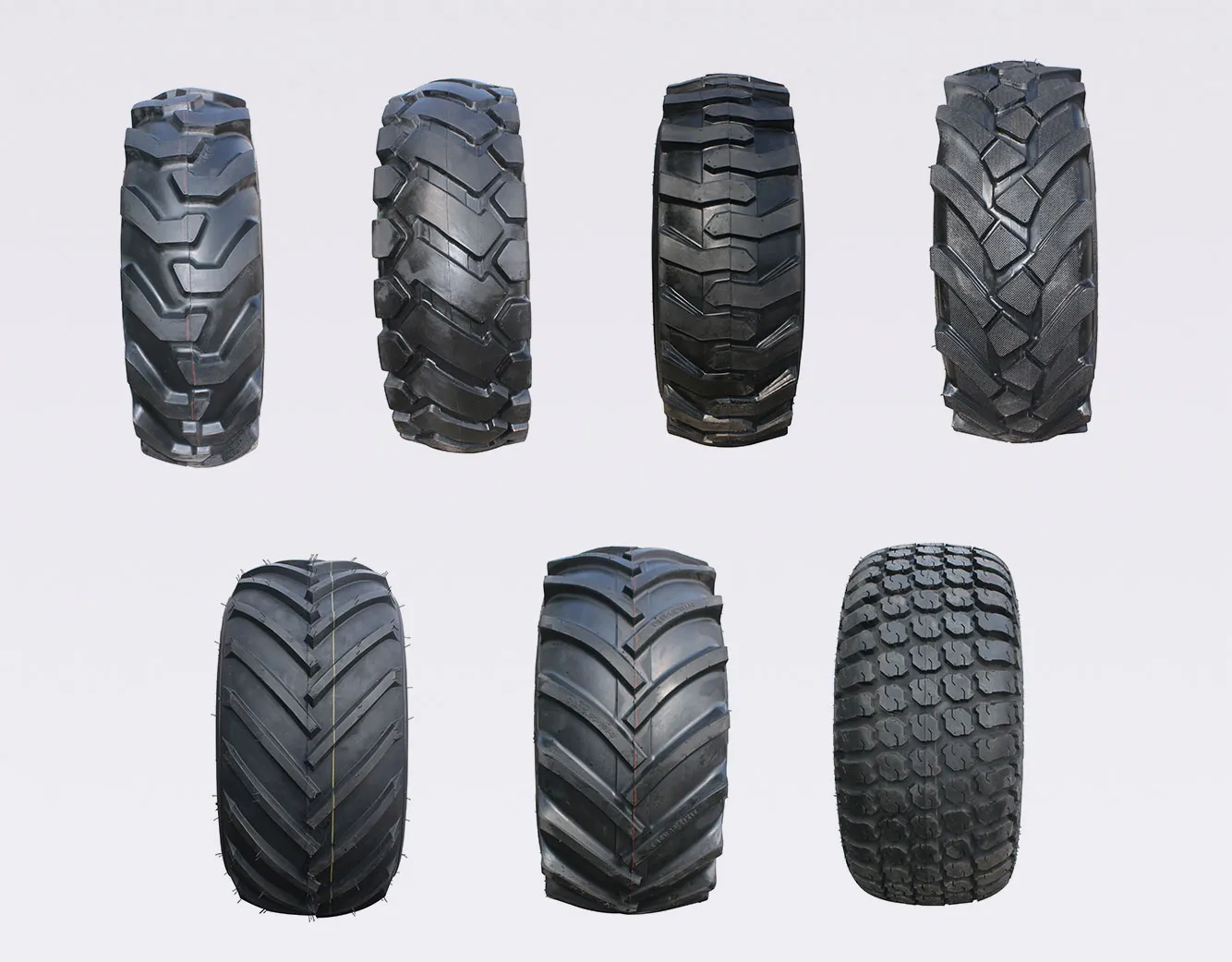
Mini telescopic loader has multiple advantages. Firstly, their compact size allows them to operate flexibly in narrow spaces, making them particularly suitable for use in urban buildings, landscaping, and narrow construction sites. The design of the second telescopic arm provides a larger operating range and height, allowing it to complete tasks such as handling and loading in higher or difficult to reach areas, improving work efficiency. Mini telescopic loader typically have strong maneuverability, with four-wheel drive and four-wheel steering systems allowing them to travel freely on complex and uneven terrain. In addition, the machine is easy to operate, suitable for operators with different levels of experience, and can be equipped with various accessories to meet different work needs, with high adaptability. It also has high safety, equipped with stability control, rollover protection and other functions to ensure safe and reliable operation.
Mini telescopic loader has broad prospects due to their flexibility, compactness, and versatility, especially in urban construction, landscaping, and agriculture. With the increasing demand for efficient and energy-saving equipment, its advantage in working in small spaces has made it increasingly popular. In addition, with the advancement of technology and the increasing demand for environmental protection, future mini telescopic loaders are expected to further develop in terms of intelligence and automation.