




|
|
 |
 |
||
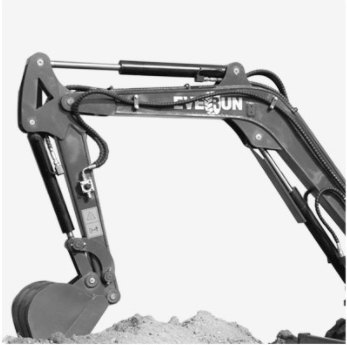
| Increased Versatility | Improved Access | Enhanced Precision | ||
| A degree-deflecting arm could enhance the excavator’s ability to reach objects from different angles, making it more versatile in various digging and lifting scenarios. | The ability to deflect the arm could help the excavator access areas that are difficult to reach with a fixed arm. This is particularly useful in confined spaces or when working around obstacles. The flexibility of the arm can contribute to a smoother operation, reducing operator fatigue and improving comfort during extended working hours. | A degree-deflecting arm can provide finer control and precision during excavation, allowing operators to navigate around obstacles or structures with greater accuracy. With a flexible arm, operators may need to reposition the entire machine less frequently, saving time and increasing overall efficiency. |
|
|
 |
 |
||
| Improved Fuel Efficiency | Reduced Noise Levels | Increased Speed and Efficiency | ||
| Streamlining reduces aerodynamic drag, which can contribute to improved fuel efficiency. With less resistance against the movement of the excavator through the air, the machine requires less power to operate, resulting in lower fuel consumption. A streamlined design can lead to better handling and maneuverability. The reduced air resistance allows for smoother and more precise movements, making it easier for the operator to control the excavator in various working conditions. | The streamlined design can help minimize wind noise and vibrations, contributing to a quieter working environment. Lower noise levels can be beneficial for both the operator and nearby workers, as well as for compliance with noise regulations in certain areas. Reduced vibrations and noise, along with smoother movements, can enhance operator comfort. A comfortable operator is likely to be more productive and less fatigued during long hours of operation. | The streamlined shape can potentially allow for higher travel speeds without sacrificing stability. This can lead to increased efficiency in getting the excavator from one job site to another. A streamlined design may also contribute to overall fuel economy. This is particularly important in construction and excavation projects where fuel costs can be a significant factor in operational expenses. |

|
|
 |
 |
||
| High Strength And Durability | Impact Resistance | Enhanced Engine Cooling | ||
| S355 steel is known for its high tensile strength. This characteristic is crucial in the construction of heavy machinery like excavators, where structural integrity and the ability to withstand heavy loads are paramount. The high strength and robust nature of S355 steel contribute to the overall durability of the excavator. This steel grade is designed to resist wear and tear, making it suitable for the demanding conditions often encountered in construction and excavation projects. | The toughness of S355 steel makes it resistant to impact loading. In an excavator, where the equipment may encounter rough terrains and heavy materials, the ability to withstand impacts is crucial for long-term reliability. Despite its high strength, S355 steel is relatively lightweight compared to some other high-strength steel options. This can contribute to weight savings in the overall construction of the excavator, which can be beneficial for transportation, fuel efficiency, and maneuverability. | A larger air outlet allows for better dissipation of heat generated by the excavator’s engine during operation. Improved engine cooling helps maintain optimal operating temperatures, preventing overheating and ensuring the longevity of engine components. In hot climates or during extended periods of heavy-duty operation, cooling is critical to prevent engine overheating. An increased air outlet facilitates better heat exchange, enabling the excavator to maintain consistent performance even in high-temperature conditions. |


