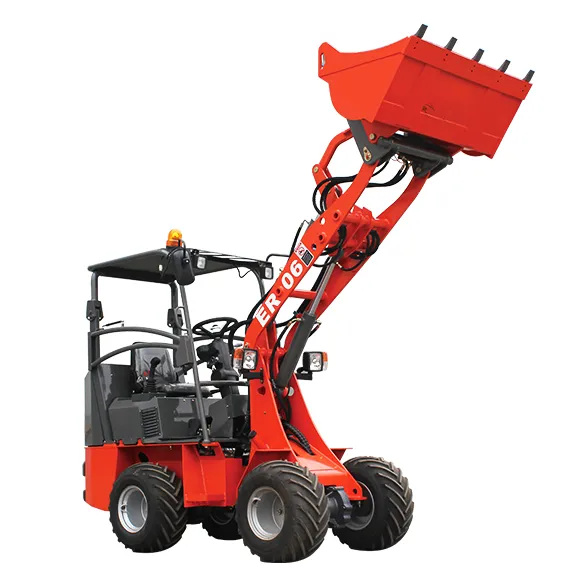
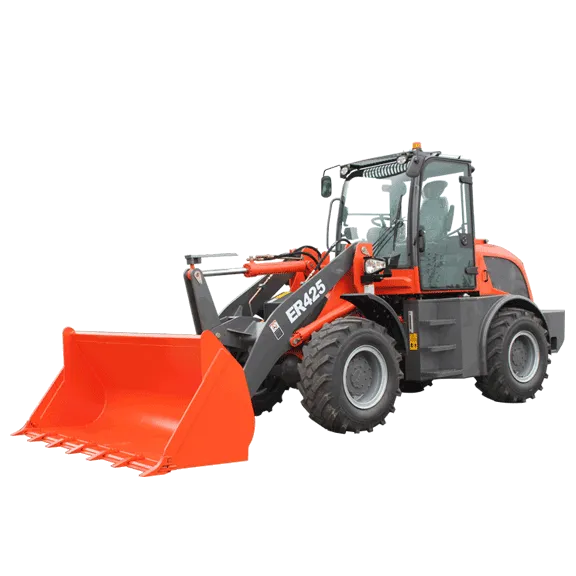
Chinese wheel loaders are renowned for their efficiency, versatility, and durability, making them a popular choice in construction, mining, and agricultural sectors. However, like any heavy machinery, regular maintenance is crucial to ensure their longevity and optimal performance. This article will guide you through the essential maintenance practices for Chinese wheel loaders, covering routine checks, lubrication, component care, and troubleshooting tips.
Importance of Maintenance
Before diving into the specifics, it’s essential to understand why maintenance is critical. Proper maintenance not only prolongs the lifespan of the wheel loader but also enhances safety and reduces operational costs. Neglecting maintenance can lead to unexpected breakdowns, costly repairs, and potentially dangerous situations for operators. By adhering to a regular maintenance schedule, you can maximize your wheel loader’s efficiency and productivity.
1. Daily Pre-Operation Checks
Conducting daily pre-operation checks is vital for identifying potential issues before they escalate. Here’s a checklist to follow:
a. Visual Inspection
- Fluid Leaks: Check under the machine for any signs of hydraulic, engine oil, or coolant leaks.
- Tires: Inspect tires for proper inflation, tread wear, and any visible damage.
- Attachments: Ensure that attachments are secure and in good condition.
b. Fluid Levels
- Engine Oil: Check the engine oil level and top up if necessary. Clean oil is essential for proper engine function.
- Hydraulic Fluid: Inspect the hydraulic fluid level and add fluid if it’s low. Hydraulic fluid is crucial for the loader’s operation.
- Coolant: Ensure the coolant reservoir is filled to the recommended level to prevent overheating.
c. Safety Features
- Brakes: Test the brakes to ensure they engage smoothly and effectively.
- Lights and Signals: Verify that all lights, including headlights, taillights, and turn signals, are functioning properly.
- Seatbelt: Check the condition of the seatbelt to ensure operator safety.
2. Weekly Maintenance Tasks
In addition to daily checks, weekly maintenance is essential for keeping your wheel loader in peak condition.
a. Greasing
- Pivot Points: Grease all pivot points and joints to reduce friction and wear. Regular lubrication prevents premature wear and maintains mobility.
- Loader Arms: Apply grease to the loader arms and other moving parts to ensure smooth operation.
b. Air Filters
- Cleaning/Replacement: Inspect the air filters weekly. Clean or replace them as necessary to ensure the engine receives adequate airflow, improving efficiency and performance.
c. Battery Care
- Connections: Check battery terminals for corrosion and ensure connections are tight.
- Fluid Levels: If applicable, check the electrolyte levels in the battery and top up with distilled water if needed.
3. Monthly Maintenance Checks
Monthly maintenance checks focus on more in-depth inspections and adjustments.
a. Hydraulic System
- Hoses and Fittings: Inspect hydraulic hoses for signs of wear, cracks, or leaks. Tighten any loose fittings to prevent hydraulic fluid loss.
- Hydraulic Cylinder: Check hydraulic cylinders for any signs of leakage and ensure seals are intact.
b. Engine Maintenance
- Oil Change: Change the engine oil and replace the oil filter as per the manufacturer’s recommendations. Clean oil is vital for engine longevity.
- Fuel Filter: Inspect and replace the fuel filter to prevent contaminants from entering the engine.
c. Undercarriage Inspection
- Track Condition: If your wheel loader is equipped with tracks, inspect them for wear and damage. Adjust tension if necessary.
- Frame and Chassis: Examine the undercarriage for any signs of damage or wear.
4. Seasonal Maintenance Tasks
Seasonal maintenance tasks are crucial for preparing your wheel loader for different working conditions.
a. Winter Preparation
- Coolant Check: Ensure the coolant is suitable for winter temperatures to prevent freezing.
- Battery Maintenance: Cold weather can drain battery power. Consider using a battery warmer or charger during extreme cold.
b. Summer Preparation
- Cooling System: Inspect the radiator and cooling system for debris and clean as needed to ensure proper cooling during hot weather.
- Tire Pressure: Check tire pressure more frequently in the summer, as heat can increase tire pressure and affect handling.
5. Troubleshooting Common Issues
Despite regular maintenance, issues can still arise. Here are some common problems and troubleshooting tips:
a. Engine Overheating
- Check Coolant Levels: Ensure the coolant is filled to the recommended level.
- Radiator Blockage: Inspect the radiator for debris and clean it to improve airflow.
b. Hydraulic System Failure
- Fluid Levels: Check hydraulic fluid levels and add if necessary.
- Inspect Hoses: Look for leaks or damaged hoses that may require replacement.
c. Uneven Tire Wear
- Alignment Check: Check the alignment and adjust as needed to prevent uneven wear.
- Tire Pressure: Ensure all tires are inflated to the recommended pressure.
6. Record Keeping
Maintaining a detailed log of all maintenance activities is crucial. This record should include:
- Dates of Service: Document when each maintenance task was performed.
- Parts Replaced: Keep track of any parts that were replaced and their respective costs.
- Issues Encountered: Note any problems that arose and how they were resolved.
Having a comprehensive maintenance log not only helps in tracking your loader’s health but also provides valuable information for future maintenance schedules and can be beneficial during resale.
Conclusion
Regular maintenance of Chinese wheel loaders is essential for ensuring their efficiency, safety, and longevity. By following a structured maintenance schedule that includes daily checks, weekly tasks, monthly inspections, and seasonal preparations, operators can minimize downtime and costly repairs. Additionally, troubleshooting common issues and maintaining accurate records further enhance the operational reliability of wheel loaders. By prioritizing maintenance, businesses can maximize their investment and ensure that their wheel loaders continue to perform at peak levels for years to come.