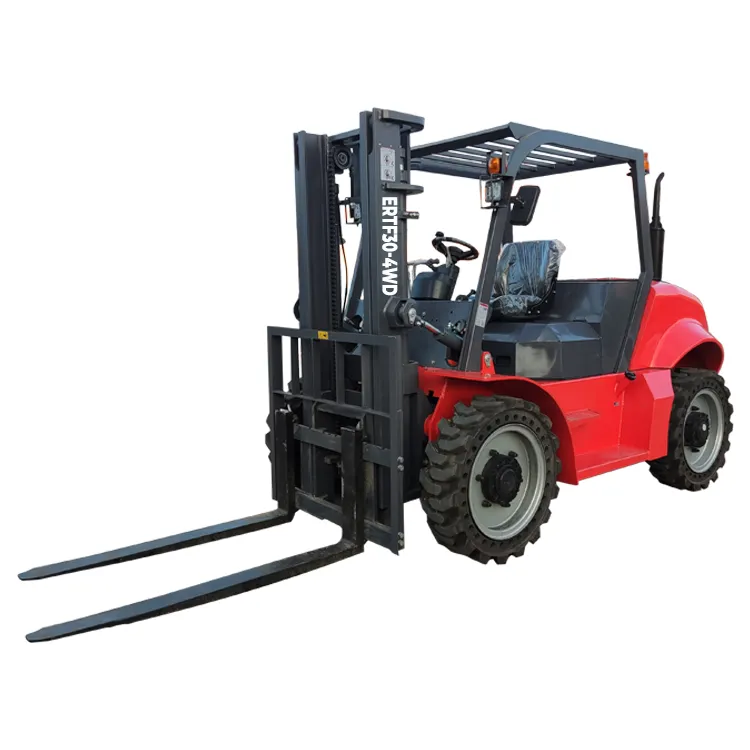
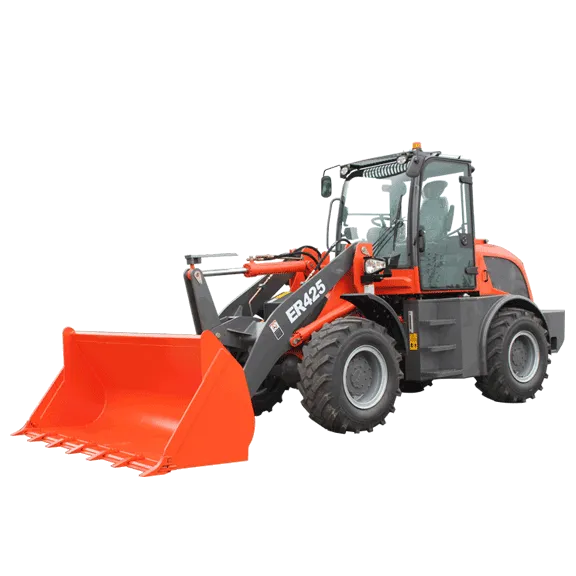
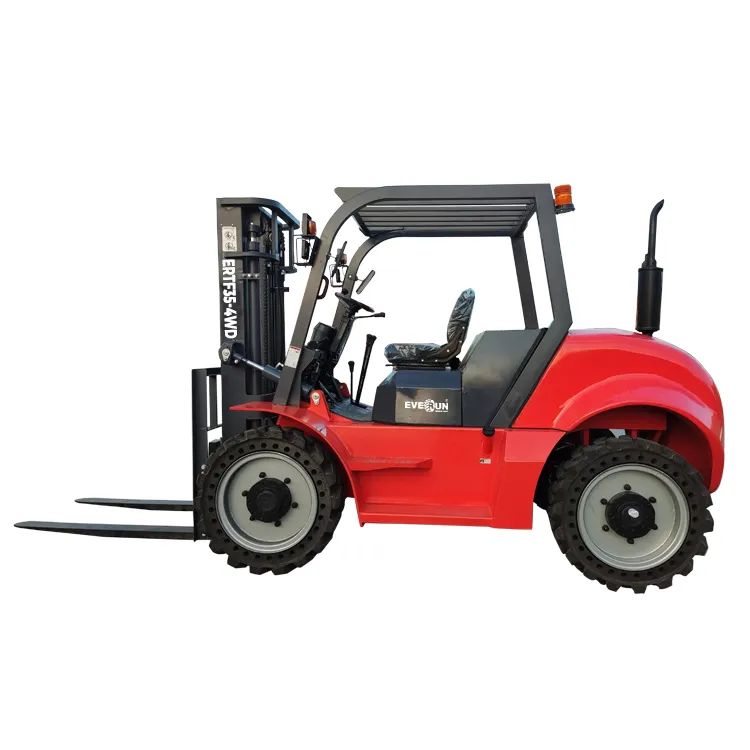
Mini telescopic wheel loaders are versatile machines commonly used in construction, agriculture, and landscaping. They provide a perfect combination of compact size, power, and flexibility, making them suitable for working in tight spaces. However, with so many models and features available, choosing the right mini telescopic wheel loader can be a daunting task. This guide will walk you through key factors to consider when making your decision, ensuring you select the best machine for your needs.
1. Assess Your Application Needs
The first step in choosing a mini telescopic wheel loader is to assess the specific requirements of your projects. Different loaders are designed for different tasks, so you need to understand how you will use the machine. Consider the following:
- Type of Work: Will the loader be used for construction, agriculture, landscaping, or material handling? For example, a loader used in agriculture might need attachments like bale forks, while construction applications might require a bucket or pallet forks.
- Frequency of Use: Will the machine be used daily, or only occasionally? Frequent use may require a more durable model.
- Site Conditions: Consider the terrain where the machine will operate. Will it be on flat ground, in hilly areas, or in confined spaces? This will influence the size and maneuverability needed.
2. Understand Lifting Capacity and Reach
The primary advantage of a telescopic wheel loader is its extendable boom, which provides enhanced lifting height and reach. When choosing a mini telescopic loader, consider the following:
- Lifting Capacity: The lifting capacity indicates how much weight the loader can lift. For smaller tasks, a loader with a capacity of around 1,500 kg may suffice, but heavier applications may require more.
- Telescopic Reach: Different loaders offer varying boom lengths. If you need to load materials onto high shelves, reach into tall trucks, or work on multi-level buildings, ensure the telescopic boom has sufficient reach to handle these tasks.
Make sure to select a loader with a boom that meets your projects’ height and outreach needs. Otherwise, you could face limitations in efficiency and functionality.
3. Size and Maneuverability
The size and maneuverability of a mini telescopic wheel loader are critical factors, especially if your worksite has restricted space. A smaller, more compact loader can navigate narrow pathways, tight corners, and confined workspaces.
- Machine Width and Height: Ensure the loader can easily fit through any gates, doorways, or confined areas on the job site.
- Turning Radius: A tight turning radius is essential for navigating small spaces without compromising performance. Articulated steering is a common feature in mini telescopic wheel loaders that enhances maneuverability.
- Transport Considerations: If the loader must be transported between different sites, check the overall weight and size to ensure it is compatible with your vehicle.
4. Engine Power and Fuel Efficiency
Engine power is an important factor in determining how well a mini telescopic wheel loader will perform, particularly on challenging terrain or heavy-duty tasks. Look for the following:
- Horsepower (HP): The horsepower of the engine determines how much power the machine can deliver. Smaller loaders typically range from 20 to 60 HP, while more powerful models can exceed 100 HP. Choose an engine that matches the demands of your work.
- Fuel Type: Most mini telescopic loaders run on diesel, but electric options are also becoming available. Diesel engines provide high torque and durability, while electric loaders are more environmentally friendly and offer reduced noise and emissions.
- Fuel Efficiency: Pay attention to fuel consumption rates, especially if the loader will be used regularly. More fuel-efficient engines can reduce operating costs over time.
5. Attachments and Versatility
One of the key benefits of a mini telescopic wheel loader is its ability to work with various attachments, allowing for greater versatility. Depending on the tasks you plan to perform, choose a loader that supports a range of attachments, such as:
- Buckets: Standard and multi-purpose buckets are used for digging, grading, and material handling.
- Pallet Forks: Ideal for lifting and moving palletized materials.
- Grapples: Useful for handling logs, brush, or debris.
- Bale Forks and Silage Grabs: Common in agricultural applications for moving hay bales or silage.
- Snow Plows and Blades: For clearing snow or grading surfaces.
Make sure the loader has an easy attachment system, such as quick couplers, to save time when switching between different tasks.
6. Hydraulic System Performance
The hydraulic system of a mini telescopic wheel loader powers both the boom and the attachments. It’s essential to choose a loader with a reliable and efficient hydraulic system that meets the demands of your tasks.
- Hydraulic Flow Rate: This is measured in gallons per minute (GPM) and indicates how much fluid the system can pump. Higher flow rates provide faster and stronger performance for attachments like augers or breakers.
- Auxiliary Hydraulics: If you plan to use hydraulic-powered attachments, ensure the loader has sufficient auxiliary hydraulic outlets to support these tools.
7. Operator Comfort and Safety Features
The comfort and safety of the operator play a significant role in the machine’s overall productivity. Look for the following features:
- Cab Design: A spacious and well-designed cab improves operator comfort, which can lead to longer, more efficient work shifts. Look for ergonomic seating, easy-to-reach controls, and good visibility.
- Climate Control: For operators working in extreme weather conditions, a cab with heating and air conditioning is a big plus.
- Safety Features: Roll-over protection (ROPS) and falling object protection (FOPS) are essential for protecting the operator. Other safety features to consider include backup alarms, cameras, and seat belts.
- Ease of Operation: Consider loaders with joystick or lever controls that are easy to use. Modern loaders often come with user-friendly interfaces that make operations intuitive and reduce the learning curve.
8. Maintenance and Support
Routine maintenance is necessary to keep any machine operating efficiently. When choosing a mini telescopic wheel loader, consider how easy it is to maintain and the availability of support services.
- Ease of Access: Choose a loader with accessible engine compartments, hydraulic lines, and filters. This will make routine checks and repairs quicker and more straightforward.
- Service and Warranty: Consider the manufacturer’s warranty and the availability of service centers. Reliable support from the manufacturer or dealer ensures minimal downtime and long-term performance.
- Parts Availability: Ensure that replacement parts for the loader are readily available and affordable.
Conclusion
Selecting the right mini telescopic wheel loader requires careful consideration of your specific needs, the machine’s performance features, and its long-term value. By assessing factors such as lifting capacity, size, engine power, attachments, and operator comfort, you can ensure that you choose a loader that will maximize productivity and efficiency on your job site. Whether for construction, agriculture, or landscaping, a well-chosen mini telescopic wheel loader will be a valuable asset for years to come.