Introduction
In the realm of heavy machinery, the choice between electric and diesel-powered equipment is becoming increasingly pertinent. Among these, wheel loaders stand as indispensable workhorses in construction, mining, and various industrial applications. In this article, we delve into the comparative performance aspects, focusing particularly on power and efficiency, between electric wheel loaders and their diesel-powered counterparts.

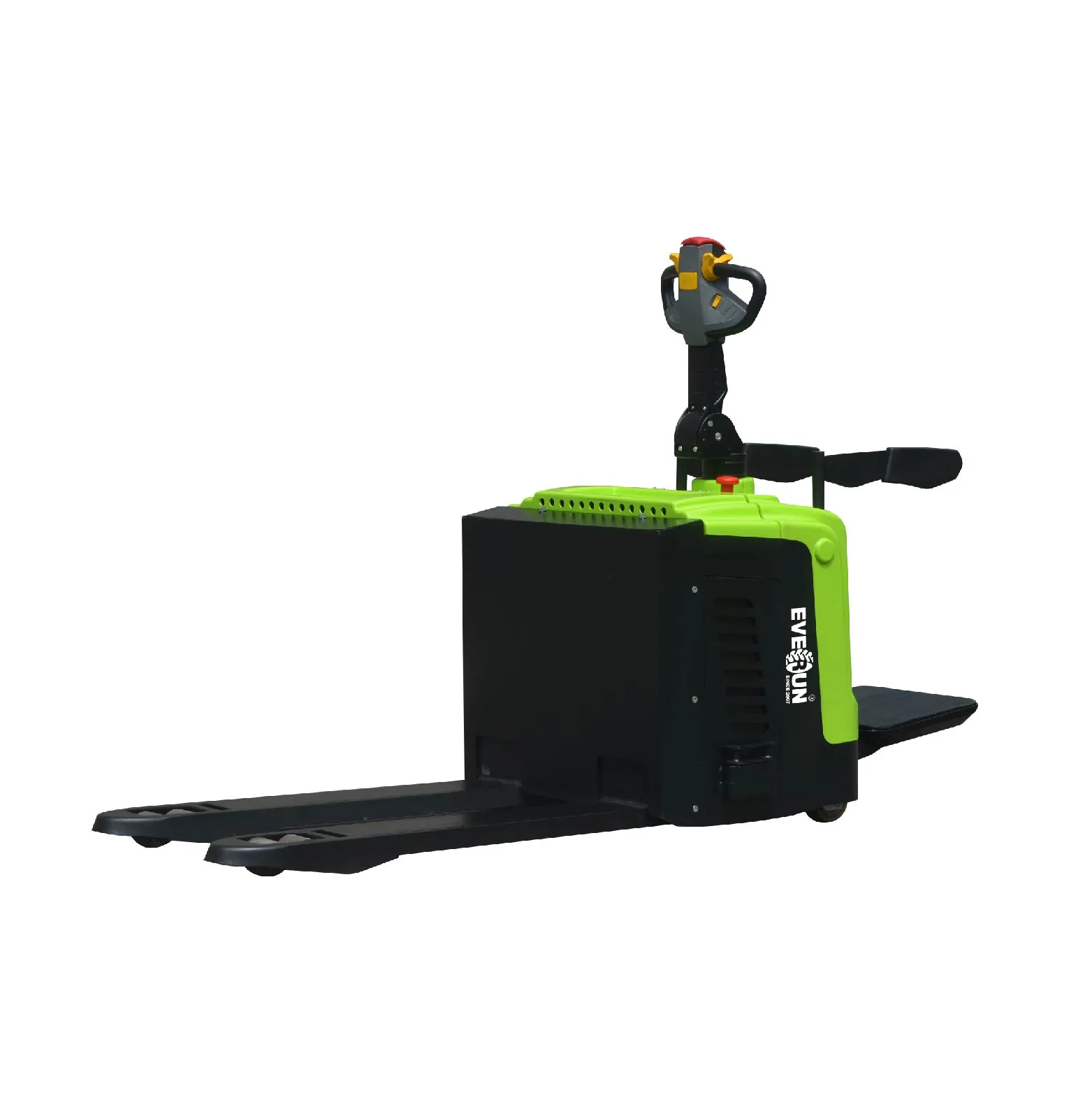
Electric Wheel Loader – EVERUN EREL1000
Power Comparison
- Electric wheel loaders harness the prowess of electric motors, offering impressive power outputs rivaling those of diesel engines. Unlike their diesel-powered counterparts, which rely on combustion processes to generate power, electric wheel loaders leverage the efficiency and versatility of electric motors. These motors boast high torque at low speeds, providing robust performance across a wide range of operating conditions.
- One of the key advantages of electric motors is their ability to deliver consistent torque throughout the entire speed range. This translates to smooth and responsive operation, allowing operators to maneuver heavy loads with precision and confidence. Whether it’s navigating through tight spaces on a construction site or hauling materials over rough terrain, electric wheel loaders excel in delivering consistent power delivery, enhancing productivity and safety.
- Furthermore, electric wheel loaders exhibit impressive acceleration capabilities, thanks to the instantaneous torque delivery characteristic of electric motors. This means that electric wheel loaders can quickly ramp up to speed, reducing cycle times and improving overall efficiency. In applications where rapid response and agility are paramount, such as loading and unloading operations, electric wheel loaders offer a distinct advantage over their diesel-powered counterparts.
- Moreover, advancements in electric motor technology have led to significant improvements in power density and efficiency. Modern electric wheel loaders are equipped with high-performance motors that rival, and in some cases surpass, the power output of traditional diesel engines. With innovations such as direct-drive systems and regenerative braking, electric wheel loaders can maximize power output while minimizing energy consumption, further enhancing their overall efficiency.
- In terms of peak power capabilities, electric wheel loaders can compete toe-to-toe with diesel-powered models. While diesel engines may have historically held an edge in sheer power output, electric wheel loaders have narrowed the gap significantly in recent years. With the advent of high-voltage battery systems and advanced motor control algorithms, electric wheel loaders can deliver impressive levels of power, making them suitable for a wide range of heavy-duty applications.
Efficiency Comparison
Efficiency emerges as a critical metric in the evaluation of wheel loader performance, delineating the comparative advantages between electric and diesel-powered models. Electric wheel loaders stand out for their exceptional energy efficiency, driven by the inherent characteristics of electric motors and the innovative design of their propulsion systems.
Electric motors are renowned for their high efficiency, typically exceeding 90% across a wide range of operating conditions. Unlike combustion engines, which incur losses due to heat dissipation and mechanical friction, electric motors deliver power directly to the drivetrain with minimal energy wastage. This translates to more efficient energy utilization, reducing overall operating costs and environmental impact.
Moreover, electric wheel loaders leverage regenerative braking technology to further enhance their efficiency. During deceleration or braking, the electric motor operates in reverse mode, acting as a generator to convert kinetic energy into electrical energy. This energy is then stored in the onboard battery system, ready to be redeployed during acceleration or operation. By recovering energy that would otherwise be lost as heat in traditional braking systems, electric wheel loaders can achieve significant energy savings and extend their operating range.
In contrast, diesel-powered wheel loaders face inherent efficiency challenges associated with combustion processes and mechanical drivetrains. Diesel engines are notorious for their lower thermal efficiency compared to electric motors, with typical efficiencies ranging from 30% to 40%. Additionally, diesel engines experience power losses through heat dissipation, exhaust gas emissions, and mechanical friction, further reducing overall efficiency.
Furthermore, diesel-powered wheel loaders are subject to fuel consumption and emissions regulations, which can impact their efficiency and operational costs. The fluctuating price of diesel fuel, coupled with concerns over carbon emissions and air quality, underscores the importance of maximizing fuel efficiency and minimizing environmental impact in diesel-powered applications.
Performance Metrics
Beyond raw power and efficiency, several performance metrics delineate the comparative landscape between electric and diesel-powered wheel loaders, offering insights into their practical utility and operational capabilities across diverse environments.
- Speed and Acceleration
Electric wheel loaders exhibit remarkable speed and acceleration characteristics, thanks to the instantaneous torque delivery inherent in electric motors. Unlike diesel-powered models, which may experience lag in power delivery due to combustion processes, electric wheel loaders can rapidly accelerate from standstill to full speed, enhancing productivity and efficiency in dynamic work environments. This agility is particularly advantageous in applications requiring frequent maneuvering, such as material handling in construction sites or loading operations in warehouses.
Moreover, electric wheel loaders can maintain consistent speeds even under heavy loads, ensuring uninterrupted performance and minimal downtime. This reliability is essential in time-sensitive operations where delays can impact overall productivity and project timelines. By offering superior speed and acceleration capabilities, electric wheel loaders empower operators to accomplish tasks more efficiently and with greater precision, contributing to overall operational efficiency and customer satisfaction.
- Load Capacity and Handling
The ability to handle heavy loads safely and efficiently is a fundamental requirement for wheel loaders across various industries. Electric wheel loaders boast impressive load capacity capabilities, often on par with or exceeding those of diesel-powered models. This is attributed to the robust construction of electric drivetrains and the optimized weight distribution inherent in electric wheel loader designs.
Additionally, electric wheel loaders offer precise control and maneuverability, allowing operators to navigate confined spaces and handle delicate materials with ease. Advanced control systems and hydraulic actuators enable precise adjustments in load distribution and bucket positioning, enhancing operator confidence and reducing the risk of accidents or material damage.
Furthermore, electric wheel loaders often feature quieter operation compared to their diesel-powered counterparts, contributing to a more comfortable working environment for operators and bystanders alike. This reduction in noise pollution is particularly beneficial in urban settings or indoor applications where noise regulations may be stringent or where noise-sensitive areas are nearby.
Environmental Impact
The environmental footprint of heavy machinery is a pressing concern in today’s era of heightened environmental awareness. Electric wheel loaders offer a compelling advantage over their diesel-powered counterparts in terms of reducing emissions and minimizing environmental impact.
- Emissions Comparison
Electric wheel loaders represent a significant step forward in mitigating air pollution and reducing greenhouse gas emissions. Unlike diesel-powered models, which emit harmful pollutants such as nitrogen oxides (NOx), particulate matter (PM), and carbon dioxide (CO2) during combustion, electric wheel loaders produce zero tailpipe emissions during operation. This emission-free operation is particularly beneficial in urban areas and indoor environments where air quality regulations are stringent, contributing to cleaner air and improved public health.
Moreover, electric wheel loaders help alleviate noise pollution, thanks to their quieter operation compared to diesel-powered counterparts. The absence of engine noise and vibrations enhances the working environment for operators and reduces disturbance to nearby residents, making electric wheel loaders an attractive option for noise-sensitive applications.
- Sustainability Considerations
In addition to emissions reduction, electric wheel loaders offer sustainability benefits by leveraging renewable energy sources for power generation. By tapping into clean energy sources such as solar, wind, or hydroelectric power, electric wheel loaders can operate with minimal environmental impact, further enhancing their green credentials.
Furthermore, the transition to electric propulsion aligns with global efforts to decarbonize the transportation sector and reduce reliance on fossil fuels. As governments and industries worldwide commit to ambitious climate goals and renewable energy targets, electric wheel loaders emerge as a key enabler of sustainable development, offering a viable pathway towards a low-carbon future.
Real-world Applications and Case Studies
To contextualize the theoretical discourse, it is imperative to examine real-world applications and case studies. Electric wheel loaders have found favor in urban construction projects and indoor environments due to their emission-free operation and reduced noise levels. Conversely, diesel-powered models continue to dominate in remote or off-grid settings where access to electricity infrastructure may be limited.
Future Outlook
As technology continues to evolve, the future of electric wheel loaders appears promising. Ongoing research and development efforts aim to enhance battery capacity, charging infrastructure, and overall performance, thereby bolstering the competitiveness of electric variants. Additionally, advancements in renewable energy integration and energy storage technologies herald a future where electric wheel loaders may become the norm rather than the exception.
Conclusion
In conclusion, the comparison between electric wheel loaders and diesel-powered models underscores a nuanced interplay of power, efficiency, and environmental considerations. While diesel-powered wheel loaders boast a legacy of robust performance, electric variants offer a compelling proposition with their superior efficiency, lower environmental impact, and potential for future advancements. Ultimately, the choice between the two hinges on specific operational requirements, budget constraints, and sustainability objectives. However, as the world gravitates towards a greener future, electric wheel loaders stand poised to revolutionize the landscape of heavy machinery.