Telescopic mini loaders have become indispensable tools across various industries, from construction and agriculture to landscaping and warehousing. These compact yet powerful machines are prized for their versatility, mobility, and ability to perform tasks that larger machinery cannot easily achieve in confined spaces. But how exactly does a mini telescopic loader work? To understand its operation, it’s essential to explore its design, key components, and functionality, as well as the specific tasks it can perform. This article delves into the inner workings of a telescopic mini loader, uncovering what makes it such a valuable asset for many professionals.
What Is a Mini Telescopic Loader?
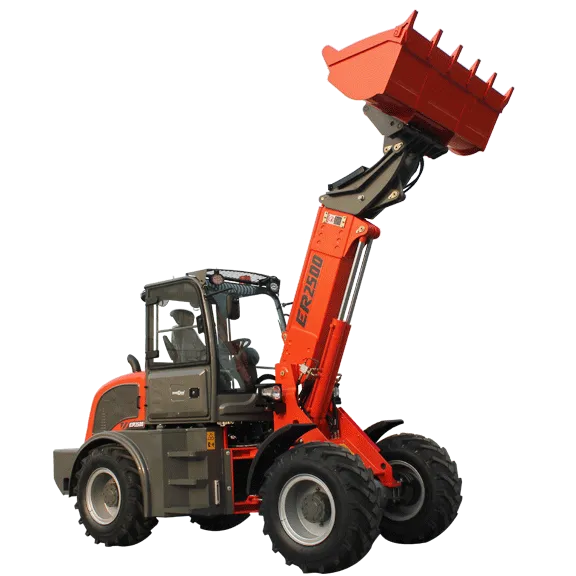
A telescopic mini loader is a small, versatile piece of equipment that features a telescopic boom capable of extending and retracting to increase its reach. The loader typically consists of a compact frame, hydraulic system, and a telescoping arm, which can be fitted with various attachments for handling different tasks. Unlike traditional loaders, the telescopic feature allows the operator to extend the arm to lift, place, or move materials at greater distances and heights, making it ideal for situations where maneuverability and precision are critical.
These loaders are often used in industries like agriculture, where they are employed to handle bales of hay or reach higher levels of stacked materials, and in construction, where they can be used to move loads in confined areas. Their adaptability also makes them suitable for landscaping, snow removal, and other tasks requiring versatile equipment.
Key Components of a Telescopic Mini Loader
To understand how a mini telescopic loader works, it’s helpful to break down its main components:
- Telescopic Boom:
The defining feature of a telescopic mini loader is its extendable boom. This telescopic arm allows the loader to reach further and higher than traditional loaders, making it capable of performing tasks that involve lifting materials to elevated positions. The boom’s ability to extend and retract is controlled hydraulically, providing smooth and precise movement. - Hydraulic System:
The hydraulic system is the heart of the loader, powering the movement of the boom and attachments. It uses pressurized fluid to generate force, allowing the loader to lift heavy loads, extend the boom, and operate various attachments with ease. The hydraulic system typically consists of a pump, hydraulic cylinders, valves, and hoses that work together to transmit power. - Attachments and Coupler:
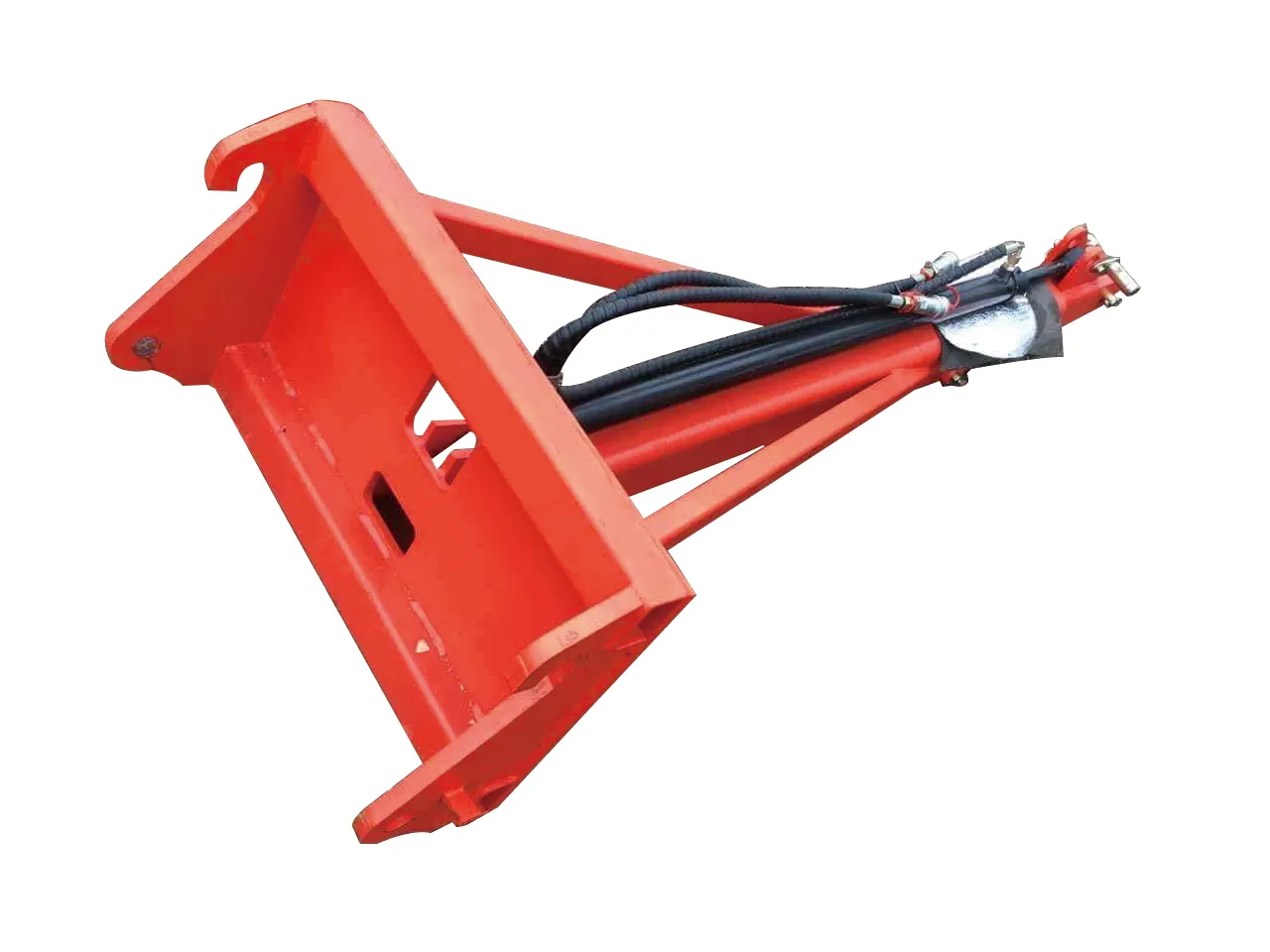
A telescopic mini loader can be equipped with a wide range of attachments, including buckets, forks, grapples, and augers. A quick-attach coupler system allows operators to change attachments quickly, making the loader a multi-functional tool. Each attachment serves a specific purpose, enabling the loader to perform tasks such as digging, lifting, material handling, or snow removal. - Chassis and Wheels/Tracks:
The loader’s chassis provides stability and support for the boom and hydraulic system. Depending on the design, it may feature wheels or tracks. Wheeled models are more common for general use, while tracked versions provide enhanced stability on rough or uneven terrain. - Operator Cabin/Control Station:
The operator’s control station includes levers, pedals, and joysticks for maneuvering the loader, controlling the boom’s extension and retraction, and operating attachments. Some modern mini loaders feature enclosed cabs with advanced controls for comfort and improved visibility.
How Does the Telescopic Boom Operate?
The telescopic boom is the primary feature that differentiates telescopic mini loaders from other types of loaders. It operates through a hydraulic system that allows the arm to extend and retract smoothly. The hydraulic cylinders located inside or along the boom push the sections of the arm outward or pull them back in, depending on the operator’s command.
Here’s how the operation typically works:
- Boom Extension:
When the operator extends the boom, hydraulic fluid is pumped into the cylinder, causing it to lengthen and push the telescopic sections outward. The length of extension can be adjusted incrementally, allowing the operator to achieve the desired reach. - Boom Retraction:
To retract the boom, the hydraulic fluid is released from the cylinder, causing it to shorten and pull the telescopic sections back in. This motion is also smooth and can be adjusted to bring the boom to the precise position needed. - Boom Angle Adjustment:
In addition to extending and retracting, the boom can pivot up and down. Hydraulic cylinders control this pivoting action, allowing the operator to lift the boom to place materials at higher elevations or lower it for ground-level tasks.
The Role of Hydraulics in Powering the Loader
The hydraulic system is fundamental to the loader’s functionality. Here’s how it works step by step:
- Hydraulic Pump:
The hydraulic pump generates pressure by forcing fluid from a reservoir through a series of hoses and valves. This pressurized fluid powers the hydraulic cylinders connected to the telescopic boom, allowing it to extend and retract. - Hydraulic Cylinders:
These cylinders convert hydraulic energy into mechanical energy, which moves the boom and operates the attachments. The cylinders extend or retract based on the pressure changes in the hydraulic fluid, enabling smooth and powerful motion. - Valves and Control Levers:
The hydraulic system includes control valves that regulate the flow of fluid to different parts of the loader. Operators use levers, pedals, or joysticks to control these valves, directing the hydraulic power where needed. - Safety Features:
Many telescopic mini loaders are equipped with safety features in the hydraulic system, such as pressure relief valves that prevent overloading and anti-drop valves that maintain control of the boom if hydraulic pressure is lost.
Types of Attachments and Their Functions
The versatility of a telescopic mini loader is enhanced by its ability to use a variety of attachments. Here are some of the most common types and their functions:
- Bucket:
A bucket is used for tasks such as digging, scooping, and transporting loose materials like soil, gravel, or sand. It is a fundamental attachment for any loader and is often used in construction and landscaping. - Forks:
Fork attachments allow the loader to lift and transport palletized loads. This is particularly useful in warehouses or construction sites where materials need to be moved or stacked. - Grapples:
Grapple attachments are used for handling irregularly shaped objects like logs, rocks, or debris. The grapple’s claws can grip items securely, making it ideal for cleanup and forestry applications. - Auger:
An auger attachment is used for drilling holes, such as for fence posts or planting. The telescopic arm’s ability to extend provides additional reach for deeper drilling. - Sweeper Brooms and Snow Blowers:
These attachments can convert the loader into a cleaning machine for sweeping debris or removing snow, making it useful for maintenance tasks.
How to Operate a Telescopic Mini Loader
Operating a telescopic mini loader requires skill and awareness of the surroundings. Here are some steps to ensure safe and effective use:
- Preparation:
Check the loader’s hydraulic fluid levels, inspect attachments, and ensure all safety devices are functional. Familiarize yourself with the control layout. - Starting the Loader:
Engage the parking brake and start the engine. Use the control levers or joysticks to maneuver the loader and operate the telescopic boom. - Operating the Boom and Attachments:
Extend or retract the boom as needed, ensuring that the load is balanced and within the loader’s capacity. Change attachments using the quick-attach system if necessary. - Shutting Down:
Lower the boom, disengage the attachments, and turn off the engine. Perform a post-operation inspection to ensure all systems function correctly.
Common Applications for Telescopic Mini Loaders
Telescopic mini loaders are used in various fields for tasks such as:
- Construction: Material handling, lifting loads to elevated positions, or working in confined spaces.
- Agriculture: Handling bales of hay, feed, or other materials.
- Landscaping: Moving soil, mulch, or rocks, and performing grading or digging tasks.
- Snow Removal: Clearing snow with specialized attachments.
Conclusion
Telescopic mini loaders combine compact size with the power of hydraulics and the reach of an extendable boom, making them an essential tool for a wide range of tasks. Understanding how these machines work—from the operation of the telescopic boom to the versatility offered by hydraulic power and various attachments—allows operators to maximize their efficiency on any job site. With proper training and maintenance, these machines offer a reliable and adaptable solution for lifting, moving, and digging tasks in both industrial and agricultural settings.