Introduction
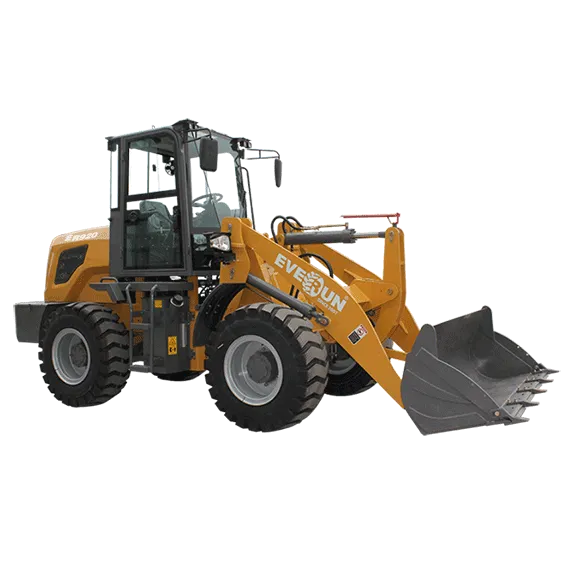
Front end loaders are essential machinery in the construction and heavy equipment industry, serving a variety of functions from material handling to excavation. The durability and performance of these machines are critical factors that determine their effectiveness and efficiency on the job site. With numerous manufacturers in the market, it is important to understand how the durability and performance of front end loaders from leading brands compare. This article aims to provide a comprehensive comparison to help potential buyers and industry professionals make informed decisions.

Medium Wheel Loaders — EVERUN ER40
Key Factors Influencing Durability
- Build Quality and Materials
The durability of front end loaders is significantly influenced by the quality of materials used in their construction. Leading manufacturers invest in high-grade steel and other robust materials to enhance the structural integrity of their loaders. For instance, Caterpillar uses advanced metallurgy to ensure their loaders withstand the harshest environments. Similarly, Komatsu employs cutting-edge material science to improve the wear resistance of their components.
Types of Materials Used in Construction
Front end loaders from top manufacturers typically use hardened steel for key structural components, including the chassis and boom. This ensures that the loaders can endure heavy loads and resist deformation over time. Additionally, wear-resistant materials are often used in areas prone to high abrasion, such as bucket edges and hydraulic components.
Impact of Build Quality on Longevity
High build quality translates to longer machine life and reduced maintenance costs. Manufacturers like Volvo and John Deere focus on precision engineering and stringent quality control processes to produce loaders that can operate reliably for extended periods. This attention to detail in the manufacturing process helps in minimizing downtimes and extending the service life of the equipment.
- Engineering and Design
The engineering and design of front end loaders play a crucial role in their durability. Innovative designs that incorporate advanced technologies can significantly enhance the machine’s resilience.
Structural Integrity and Load Capacity
Leading manufacturers prioritize the structural integrity of their loaders. For example, Hitachi Construction Machinery employs finite element analysis (FEA) during the design phase to optimize the structural components for maximum strength and durability. This ensures that the loaders can handle high load capacities without compromising their structural integrity.
Innovations in Design That Enhance Durability
Innovations such as reinforced articulating joints and advanced hydraulic systems contribute to the durability of front end loaders. Manufacturers like Komatsu integrate smart design elements that reduce stress on key components, thereby enhancing the overall longevity of the machines.
- Manufacturing Processes
The processes used in manufacturing front end loaders also significantly impact their durability. Precision engineering and rigorous quality control are hallmarks of top manufacturers.
Quality Control Measures
Manufacturers such as Caterpillar and Volvo implement comprehensive quality control measures at every stage of the manufacturing process. This includes everything from raw material inspection to final assembly checks. These stringent measures ensure that each loader meets high standards of quality and reliability.
Precision Engineering and Assembly Techniques
Advanced assembly techniques, such as robotic welding and automated machining, are used by leading manufacturers to ensure precision and consistency. John Deere, for instance, utilizes state-of-the-art manufacturing facilities that employ the latest technologies to produce highly durable front end loaders.
Performance Metrics
- Engine Power and Efficiency
The performance of front end loaders is heavily influenced by their engine power and efficiency. Leading manufacturers equip their loaders with powerful engines that provide the necessary torque and horsepower for demanding tasks.
Comparison of Engine Types and Specifications
Caterpillar loaders are known for their robust engines that deliver high performance and reliability. For example, the Cat® 980M loader features a C13 ACERT™ engine that provides ample power while meeting stringent emission standards. Similarly, Komatsu loaders are equipped with Tier 4 Final engines that offer excellent fuel efficiency and reduced emissions.
Fuel Efficiency and Environmental Considerations
Fuel efficiency is a key performance metric for front end loaders. Volvo Construction Equipment, for instance, incorporates advanced engine technologies that optimize fuel consumption. The Volvo L120H loader features a fuel-efficient engine and an eco-pedal that helps reduce fuel use, making it an environmentally friendly option.
- Load Capacity and Lifting Power
The load capacity and lifting power of front end loaders are critical for their performance in material handling tasks.
Maximum Load Capacities
Leading manufacturers offer loaders with varying load capacities to suit different operational needs. Caterpillar’s 992K loader, for example, has a maximum payload capacity of 25 tons, making it suitable for heavy-duty applications. Komatsu’s WA600-8 loader also boasts impressive load capacities, ideal for large-scale operations.
Hydraulic Power and Efficiency
The hydraulic systems in front end loaders play a crucial role in their lifting capabilities. John Deere’s 744L loader features advanced hydraulic technologies that provide smooth and efficient lifting performance. These systems are designed to handle high pressures and deliver consistent power, ensuring optimal performance in various conditions.
- Maneuverability and Control
Maneuverability and control are essential for the efficient operation of front end loaders, particularly in confined spaces or complex job sites.
Steering and Handling Features
Manufacturers like Hitachi incorporate advanced steering systems in their loaders to enhance maneuverability. The Hitachi ZW220-6 loader, for instance, features an articulated steering system that allows for precise control and easy navigation in tight spaces.
Advanced Control Systems and Operator Ease
Modern front end loaders come equipped with advanced control systems that enhance operator comfort and ease of use. Volvo’s L110H loader includes features such as load-sensing hydraulics and an ergonomic cab design, which improve overall control and reduce operator fatigue.
Durability Comparison
Material Longevity and Resistance to Wear and Tear
Caterpillar and John Deere loaders stand out for their use of high-grade materials that offer superior resistance to wear and tear. Komatsu and Volvo also use advanced materials and innovative design elements to enhance durability, while Hitachi focuses on precision engineering to ensure long-lasting performance.
Historical Performance and Reliability Records
Historically, Caterpillar and Komatsu loaders have been praised for their reliability and long service life. Volvo and John Deere have also maintained strong records of durability, with many customers reporting extended periods of trouble-free operation. Hitachi loaders, while relatively newer in the market, have quickly built a reputation for reliability and durability.
Performance Comparison
Engine Performance and Fuel Efficiency
Caterpillar and Volvo loaders are known for their powerful engines and fuel efficiency. Komatsu loaders also offer excellent fuel efficiency, thanks to their advanced engine technologies. John Deere and Hitachi loaders provide robust engine performance, with a focus on optimizing fuel consumption and reducing emissions.
Load Capacity and Hydraulic Power
Caterpillar loaders, such as the 992K, offer high load capacities and powerful hydraulic systems. Komatsu and Volvo loaders also provide impressive load capacities and efficient hydraulics, making them suitable for a wide range of applications. John Deere and Hitachi loaders are designed for versatility, offering reliable performance and efficient hydraulics across various tasks.
Maneuverability and Control Precision
Volvo and Hitachi loaders excel in maneuverability, thanks to their advanced steering systems and ergonomic designs. Caterpillar and John Deere loaders also offer excellent control precision, with features that enhance operator comfort and ease of use. Komatsu loaders provide smooth handling and precise control, making them ideal for complex job sites.
Customer Feedback and Case Studies
- Real-world Performance Insights
Testimonials from Industry Professionals
Industry professionals often praise Caterpillar loaders for their durability and powerful performance. Komatsu and Volvo loaders are also highly regarded for their fuel efficiency and advanced technologies. John Deere and Hitachi loaders receive positive feedback for their reliability and ease of operation.
Case Studies Highlighting Specific Models
Case studies highlight the performance of loaders in real-world applications. For example, a construction company using the Cat® 980M loader reported significant improvements in productivity and fuel efficiency. A mining operation utilizing the Komatsu WA600-8 loader noted its excellent load capacity and durability under harsh conditions.
- Common Issues and Resolutions
Recurring Problems Reported by Users
Some common issues reported by users include hydraulic leaks and engine overheating. However, these problems are relatively rare and are typically addressed promptly by manufacturers through robust after-sales support.
How Manufacturers Address These Issues
Manufacturers like Caterpillar and Komatsu have dedicated service teams that provide quick and effective solutions to reported issues. Volvo and John Deere also offer comprehensive after-sales support, ensuring that any problems are resolved efficiently. Hitachi focuses on preventive maintenance and customer training to minimize operational issues.
Future Trends and Innovations
- Technological Advancements
Emerging Technologies in Durability Enhancement
Manufacturers are continuously exploring new materials and technologies to enhance the durability of front end loaders. Innovations such as composite materials and advanced coatings are being integrated to improve resistance to wear and tear.
Innovations in Performance Optimization
Technological advancements in engine design and hydraulic systems are driving performance improvements. Smart technologies, such as telematics and predictive maintenance systems, are also being adopted to enhance the efficiency and reliability of front end loaders.
- Environmental and Regulatory Considerations
Compliance with New Environmental Regulations
Manufacturers are increasingly focusing on producing eco-friendly loaders that comply with stringent environmental regulations. This includes the development of low-emission engines and the use of sustainable materials.
Trends Towards Sustainable and Eco-friendly Designs
Sustainability is becoming a key focus for leading manufacturers. Innovations such as hybrid engines and electric loaders are being explored to reduce the environmental impact of construction machinery.
Conclusion
In conclusion, the durability and performance of front end loaders from leading manufacturers like Caterpillar, Komatsu, Volvo, John Deere, and Hitachi are influenced by various factors, including build quality, engineering, and technological advancements. Each manufacturer has its strengths, with Caterpillar and Komatsu known for their powerful engines and high load capacities, while Volvo and Hitachi excel in maneuverability and environmental sustainability. John Deere loaders offer a balance of durability and performance, making them versatile for various applications. By understanding these factors and considering customer feedback and real-world performance, potential buyers can make informed decisions when selecting front end loaders for their needs. The future of front end loaders looks promising, with ongoing innovations aimed at enhancing durability, performance, and sustainability.