Introduction
Mini articulated loaders are versatile machines that play a crucial role in various industries, from construction to landscaping. Their compact size and agility make them indispensable for spaces and tasks requiring precision. However, to maintain their performance and ensure a long service life, regular maintenance is essential. This article will delve into the recommended practices for keeping your mini articulated loader in top condition.

Medium Wheel Loaders — EVERUN ER40
Pre-Operational Checks
- Daily Inspection Routine
Before each use, a quick walk-around inspection can prevent many issues. Check for visible damage, leaks, or loose fittings that could lead to more significant problems during operation.
- Fluid Level Verification
Ensure that all essential fluids—engine oil, hydraulic oil, and coolant—are at the proper levels. Low fluid levels can lead to overheating, reduced performance, and potential damage.
- Visual Inspection for Wear and Tear
Look for signs of wear on the tires, drive belts, and other moving parts. Early detection can prevent breakdowns and ensure smooth operation.
Engine Maintenance
- Regular Oil Changes
Engine oil is the lifeblood of the internal combustion engine. Regular oil changes, as per the manufacturer’s recommendations, will keep the engine running smoothly and efficiently.
- Air Filter Care
A clean air filter ensures optimal airflow for combustion. Check and replace the air filter regularly to maintain engine performance and fuel efficiency.
- Spark Plug and Ignition System
The ignition system is critical for starting and running the engine. Regularly inspect and replace spark plugs and wires to prevent misfires and ensure reliable startup.
- Belt Inspection and Tensioning
Loose or worn belts can slip, leading to reduced performance. Check the tension and condition of all belts and replace them as needed.
Hydraulic System Care
- Clean Hydraulic Oil
Hydraulic oil is vital for the loader’s movement and lifting functions. Keep the oil clean by regular changes and using filters to prevent contamination.
- Hydraulic Leak Checks
Leaks in the hydraulic system can lead to loss of pressure and reduced lifting capacity. Inspect hoses, fittings, and cylinders for leaks and repair as necessary.
- Maintenance of Hydraulic Components
Regularly service hydraulic pumps, cylinders, and valves to ensure smooth operation and prevent leaks.
Articulation and Steering System
- Steering Component Inspection
The steering system’s condition affects maneuverability. Regularly inspect steering components for wear and damage.
- Lubrication of Pivot Points
Lubricate all pivot points and bushings to reduce friction and ensure smooth steering.
- Articulated Steering Maintenance
The articulated steering system allows for tight turns. Regular maintenance of this system is crucial for preserving the loader’s agility.
Drivetrain and Tires
- Drive Belt and Chain Adjustment
Correct tension of drive belts and chains is essential for efficient power transmission. Check and adjust as needed to prevent slippage.
- Tire Pressure and Condition
Under-inflated or damaged tires can reduce traction and maneuverability. Regularly check tire pressure and inspect for damage.
- Lubrication Points
Grease fittings and other lubrication points to reduce wear and ensure smooth movement of the drivetrain.
Electrical System
- Battery Care
A well-maintained battery ensures reliable starting. Check the battery’s charge, clean terminals, and replace as needed.
- Wiring and Connectors
Inspect wiring for damage and connectors for corrosion. Proper electrical connections are vital for safe operation.
- Lighting and Signaling
Ensure all lights and signaling devices are functioning correctly for safe operation, especially in low-light conditions.
Frame and Structural Components
- Crack and Damage Inspection
Regularly inspect the frame and other structural components for cracks or damage that could compromise stability and safety.
- Corrosion Prevention
Clean and protect the loader’s frame from corrosion, especially in harsh environments.
- Alignment and Balance
Check the alignment and balance of the loader to prevent uneven wear and improve performance.
Attachment Maintenance
- Proper Attachment Handling
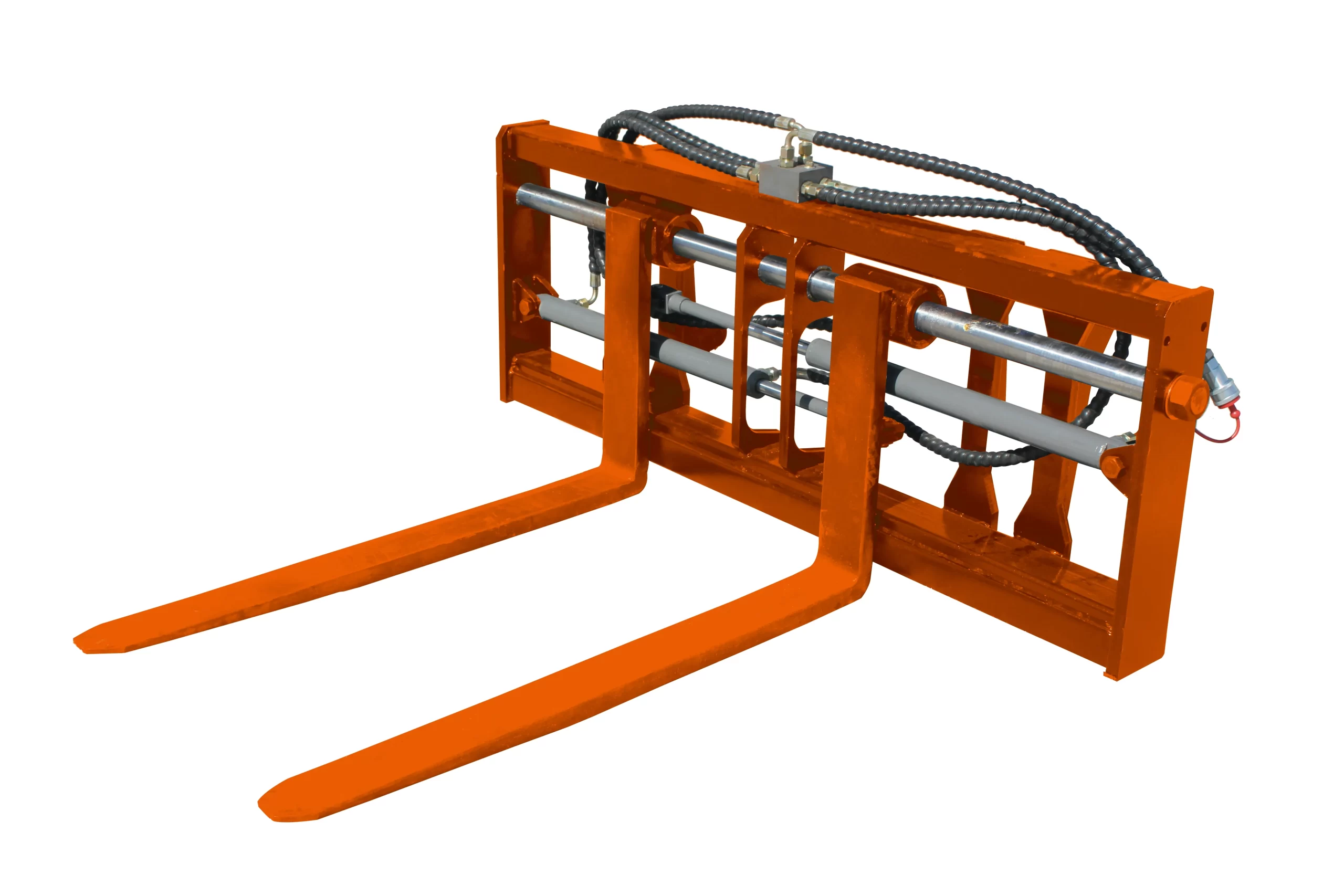
Use the correct procedures for installing and removing attachments to prevent damage to both the loader and the attachment.
- Inspection for Wear
Regularly inspect attachments for wear and damage, ensuring they are in good working order.
- Storage of Attachments
Store attachments properly when not in use to protect them from the elements and damage.
Software and Control Systems
- Software Updates
Keep the loader’s control software up to date to ensure optimal performance and compatibility with newer attachments.
- Sensor Calibration
Regularly calibrate sensors and control systems to maintain accuracy and responsiveness.
- Electronic Control Troubleshooting
Be familiar with common electronic issues and troubleshooting steps to quickly address control system problems.
Storage and Winterization
- Proper Storage
Store the loader in a sheltered area to protect it from the elements when not in use.
- Winterization Practices
Prepare the loader for cold-weather operation by using appropriate fluids and taking steps to prevent freezing.
- Long-Term Storage
If the loader will be stored for an extended period, follow specific procedures to prevent deterioration and maintain its condition.
Record Keeping and Maintenance Scheduling
- Maintenance Records
Keep detailed records of all maintenance activities to track the loader’s service history and identify patterns that may indicate emerging issues.
- Scheduled Maintenance
Develop a maintenance schedule based on the manufacturer’s recommendations and the loader’s usage to ensure timely care.
- Predictive Maintenance
Use maintenance logs to predict when parts may need replacement or service, allowing for proactive rather than reactive maintenance.
Safety and Operator Training
- Regular Safety Checks
Conduct regular safety checks to ensure the loader is safe to operate, focusing on critical components like the brakes, steering, and lifting mechanisms.
- Operator Training
Train operators on the importance of maintenance and how to perform basic checks and services, empowering them to contribute to the loader’s upkeep.
- Safe Operation Guidelines
Ensure all operators are familiar with safe operation guidelines to prevent accidents and damage to the loader.
Conclusion
Mini articulated loaders are powerful tools that, with proper care and maintenance, can provide years of reliable service. By following the recommended practices outlined in this article, you can maximize the longevity and performance of your loader, ensuring it remains a valuable asset to your operations. Remember, proactive maintenance is key to preventing breakdowns, reducing repair costs, and maintaining the safety and efficiency of your equipment.