As the construction industry evolves, the shift toward sustainable practices is gaining momentum. Among the latest innovations driving this change is the electric wheel loader. These machines are becoming increasingly popular in construction work, offering a range of benefits that align with the industry’s goals for efficiency, cost savings, and environmental sustainability. In this article, we will explore what electric wheel loaders are, their advantages, their applications in construction, and considerations for their adoption.
Understanding Electric Wheel Loaders
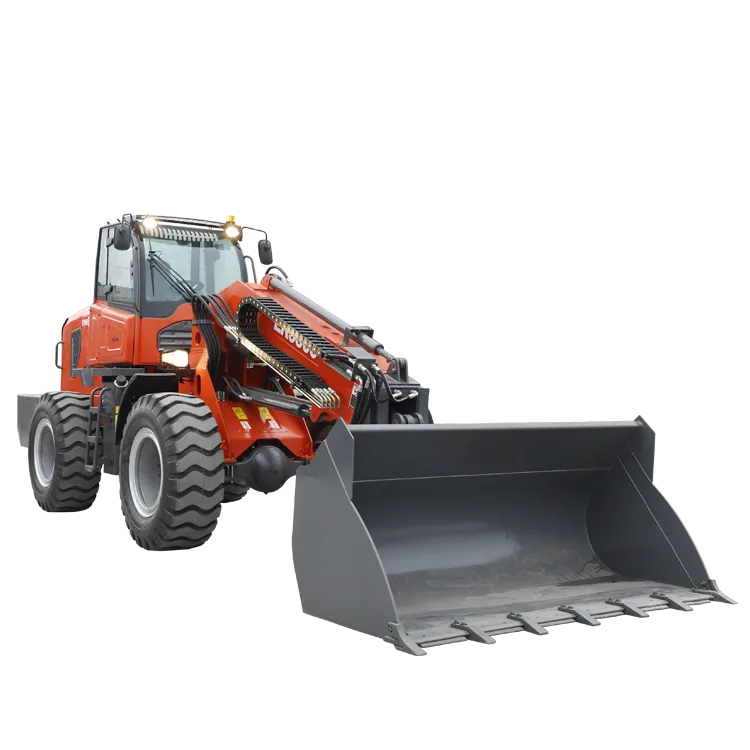
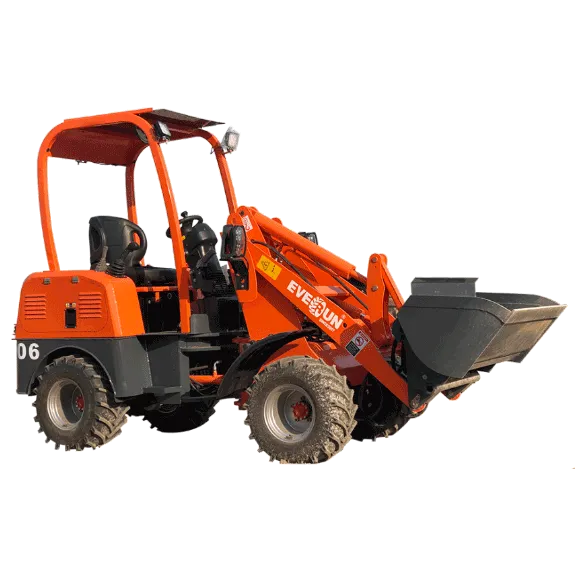
Electric wheel loaders are heavy-duty construction vehicles powered by electric motors rather than traditional internal combustion engines. This shift to electric power is made possible by advanced battery technologies, which provide the necessary torque and power to perform tasks typically handled by diesel loaders. Electric loaders come in various sizes and capacities, making them suitable for a range of applications, from small-scale landscaping to large-scale construction projects.
Advantages of Electric Wheel Loaders
1. Environmental Benefits
One of the most significant advantages of wheel loaders is their reduced environmental impact. These machines produce zero tailpipe emissions, which contributes to improved air quality on construction sites. This is especially important in urban areas where construction activities can exacerbate air pollution. By using electric wheel loaders, construction companies can significantly lower their carbon footprint and comply with increasingly stringent environmental regulations.
2. Lower Operating Costs
Electric wheel loaders typically have lower operating costs compared to their diesel counterparts. While the initial purchase price may be higher, the cost of electricity is generally lower than diesel fuel. Additionally, electric machines require less maintenance, as they have fewer moving parts and do not require oil changes. This can result in significant savings over the life of the machine, making electric loaders an attractive investment for construction firms.
3. Noise Reduction
Electric wheel loaders are significantly quieter than diesel-powered loaders. This reduced noise level is beneficial for construction sites located in populated areas, as it minimizes disruption to nearby residents and businesses. Quieter operations also contribute to a better working environment for operators, reducing fatigue and improving overall safety on the job site.
4. Enhanced Performance
Modern wheel loaders are designed to deliver performance that rivals traditional loaders. With advancements in battery technology and electric motors, these machines offer quick acceleration, high torque, and the ability to operate efficiently in various conditions. Many electric loaders can handle heavy loads, perform well on rough terrain, and maintain productivity levels comparable to their diesel counterparts.
5. Government Incentives
In many regions, governments are offering incentives to promote the adoption of electric machinery. These incentives may include tax credits, grants, or rebates, making it more financially viable for construction companies to invest in electric wheel loaders. By taking advantage of these programs, companies can reduce their upfront costs and enhance their return on investment.
Applications in Construction
Electric wheel loaders are versatile machines that can be utilized in various construction applications. Some common uses include:
1. Material Handling
Electric loaders excel at material handling tasks, such as loading and unloading construction materials like gravel, sand, and concrete. Their strong lifting capabilities and agility make them ideal for moving materials around job sites efficiently.
2. Site Preparation
Preparing a construction site often involves clearing debris, leveling ground, and transporting materials. Electric wheel loaders are well-suited for these tasks, allowing for quick and effective site preparation.
3. Landscaping
In landscaping projects, electric wheel loaders can be used to transport soil, mulch, and other landscaping materials. Their smaller size and maneuverability make them ideal for residential and commercial landscaping jobs.
4. Demolition
In demolition projects, wheel loaders can be used to remove debris and clear areas for new construction. Their powerful lifting capabilities allow them to handle heavy materials, making them a valuable asset in demolition work.
Conclusion
Electric wheel loaders are revolutionizing the construction industry by providing an eco-friendly, efficient, and cost-effective alternative to traditional diesel loaders. Their numerous advantages—ranging from lower operating costs to enhanced performance and reduced noise—make them an attractive option for construction companies looking to modernize their fleets. As the industry continues to prioritize sustainability and efficiency, the adoption of wheel loaders is expected to grow, paving the way for a more environmentally conscious future in construction. By considering the various applications and advantages of electric wheel loaders, companies can make informed decisions that contribute to both their bottom line and the health of the planet.