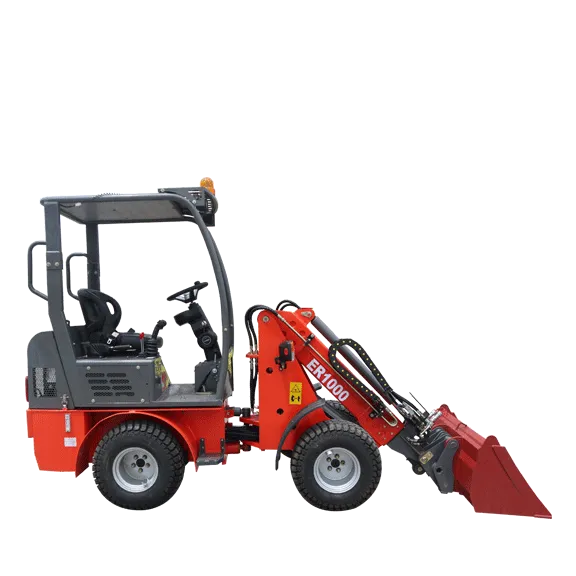
As an efficient and versatile construction equipment, compact telescopic wheel loader is increasingly being used in many fields, such as urban construction, landscaping, and agricultural production. With its compact design and flexible operation characteristics, this loader can achieve precise operations in space-constrained environments, especially suitable for urban construction sites and small construction sites.
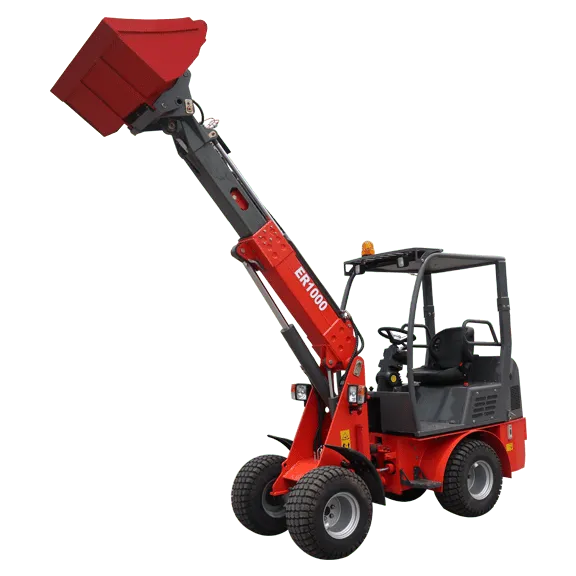
The compact telescopic wheel loader is equipped with an adjustable telescopic arm, which can load and unload at different heights and ranges, greatly improving the efficiency and safety of operations. With the continuous advancement of intelligent technology, these loaders have also gradually introduced innovative functions such as automated operation and remote monitoring, making operation easier and maintenance more efficient, becoming a powerful assistant in modern construction and engineering operations.
Urban space limitations of compact telescopic wheel loader
In busy urban environments, using compact telescopic wheel loader to operate efficiently requires taking full advantage of their design and functionality. Here are some key design features and application scenarios that help them operate efficiently in narrow lanes and crowded construction sites:
Compact design and flexibility
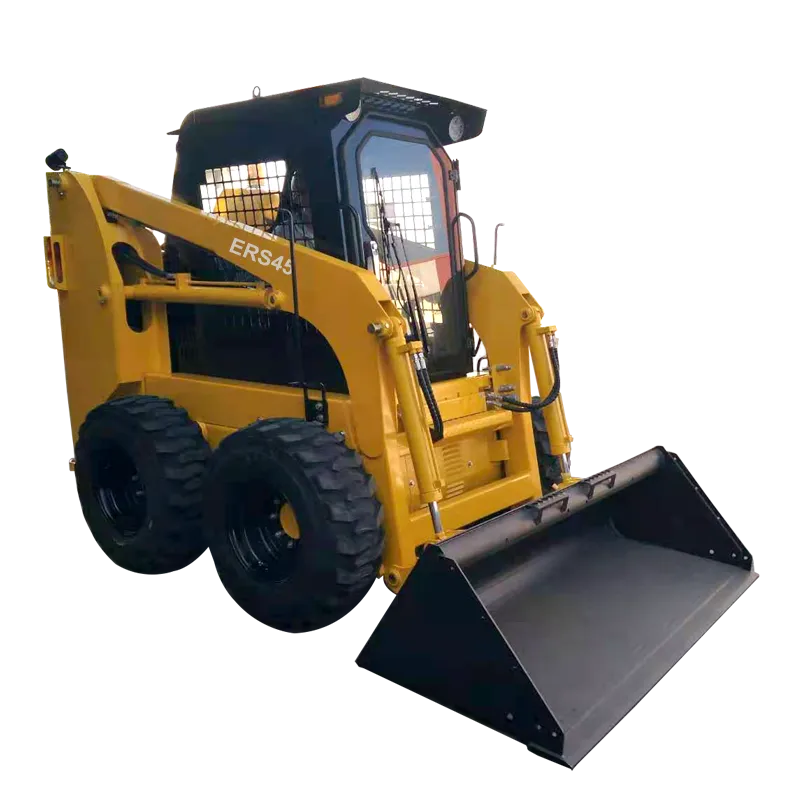
- Narrow body and short wheelbase: The design of compact loaders emphasizes compact size, short body, and moderate width, allowing them to operate flexibly in small spaces. Narrow urban lanes and limited construction spaces are places where traditional large machinery cannot enter, and compact loaders can easily shuttle in these complex environments.
- Improved maneuverability: They are usually equipped with four-wheel drive and omnidirectional steering systems (such as all-wheel steering or differential steering), which enhance their steering ability in small spaces. Even in limited spaces, they can quickly complete U-turns, steering, and other actions, improving operational flexibility.
Telescopic arm design
- Telescopic arm and high reach capacity: The telescopic arm equipped with a compact telescopic wheel loader can not only increase the height of loading and unloading but also retract freely in limited spaces to achieve a higher operating range. This design enables the loader to easily complete operations in multi-level workplaces such as urban high-rise buildings and underground construction, reducing the frequency of equipment movement.
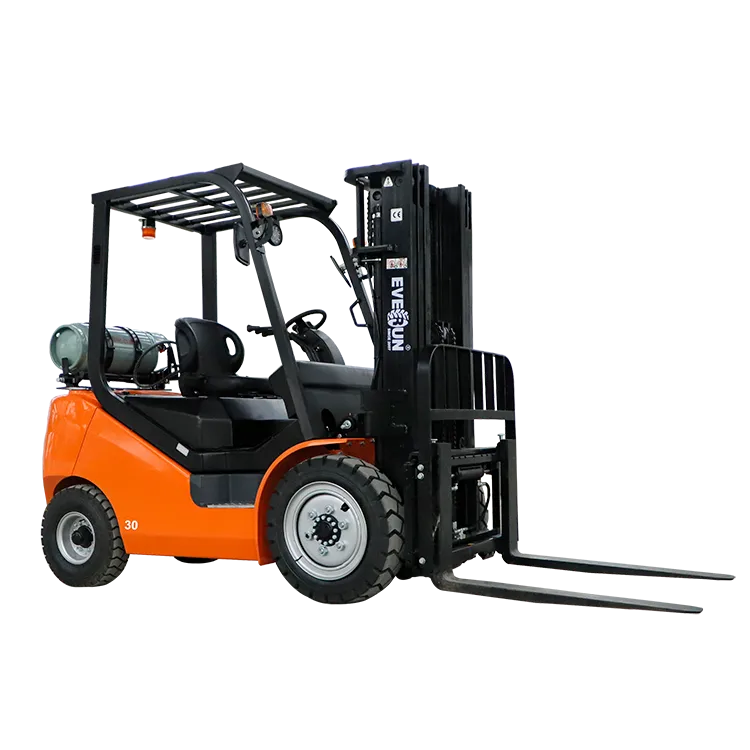
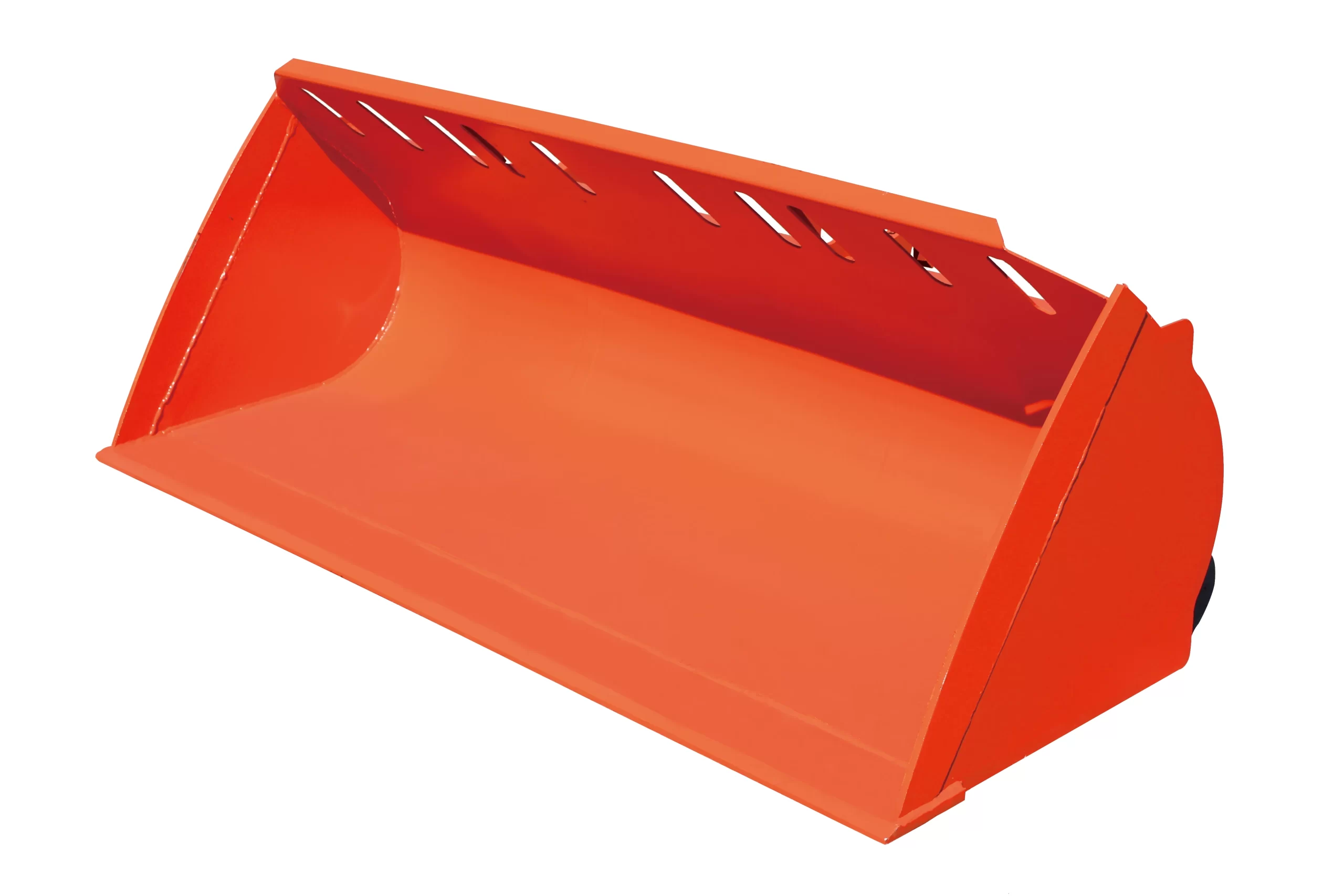
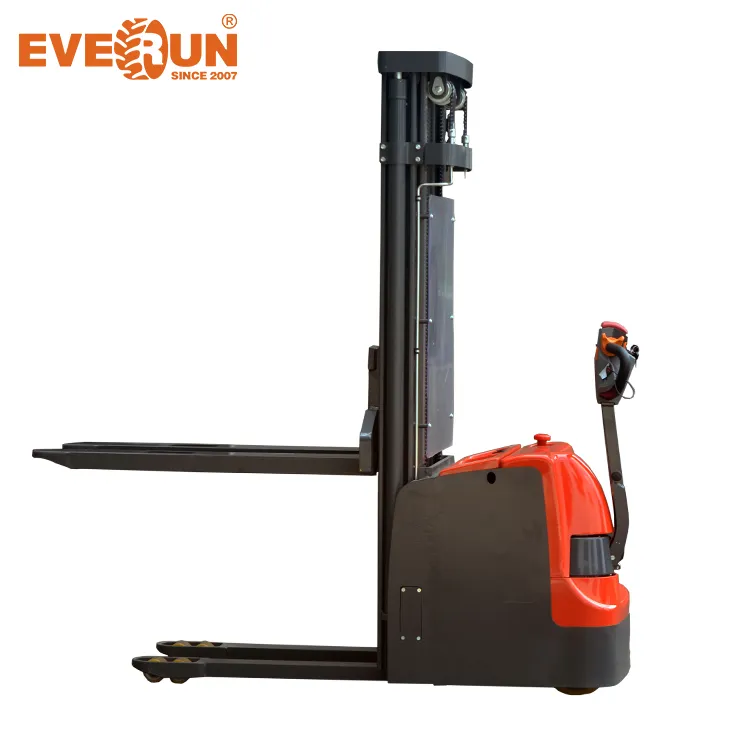
- Versatility: The telescopic arm allows the compact telescopic wheel loader to not only be limited to bucket operations but also to use a variety of attachments, such as forklifts, grabs, etc., to perform different types of tasks. This flexible function enables the compact loader to adapt to different construction needs and improve work efficiency.
Optimized operating system
- Intelligent control and automation: Many modern compact telescopic wheel loader is equipped with intelligent control systems that can monitor key parameters such as the equipment’s operating status, operating load, and hydraulic system in real-time. This allows operators to quickly adjust the equipment status and optimize work efficiency according to the environment and task requirements.
- Simple operating interface: The operating system of the loader usually has an intuitive control interface that is easy to understand and can be quickly mastered even by non-professionals. This is especially important in busy urban construction environments, where time is tight and construction periods are tight, and ease of operation can significantly improve the efficiency of on-site work.
The compact telescopic wheel loader can play a huge role in narrow lanes, small construction sites, and high-rise building construction due to its small and flexible design, the versatility of the telescopic arm, the efficient operating system, and environmentally friendly working characteristics.
Fuel efficiency and environmental protection
The compact telescopic wheel loader uses a number of advanced technologies and designs to reduce fuel consumption while ensuring efficient operation. This type of equipment is increasingly used in urban construction, agriculture, gardening, and other fields, and its fuel efficiency and environmental protection characteristics have become important competitive advantages. The following are several key points on how it achieves low energy consumption and high efficiency:
Efficient power system
- Optimized engine technology: Compact telescopic wheel loaders are usually equipped with high-efficiency, low-emission engines that not only meet strict emission standards but also have excellent fuel economy.
- Speed transmission and power management: Many modern loaders use intelligent speed transmission and power management technology to automatically adjust engine speed and power output according to load requirements. This on-demand adjustment of power output avoids unnecessary fuel waste and thus improves fuel efficiency.
Optimization of hydraulic system
- Efficient hydraulic system: The hydraulic system is the core driving part of the loader. Compact telescopic wheel loader uses efficient hydraulic technology, such as load sensing hydraulic system (LUDV), which dynamically adjusts hydraulic flow and pressure according to work requirements to avoid excessive energy consumption.
- Hydraulic energy recovery system: Some compact loaders also use hydraulic energy recovery technology, especially during the lowering or unloading process. The hydraulic system can recover the energy in motion and convert it into mechanical energy or electrical energy, further reducing energy consumption.
Balance of fuel economy and operating efficiency
- Precise load control: By combining load sensing systems and operating conditions, compact telescopic wheel loaders are able to maintain optimal load conditions at each stage of work, reducing unnecessary energy loss.
- Continuously optimized performance: Many compact loaders also provide real-time performance monitoring and operating data analysis, allowing operators to optimize operating methods based on equipment feedback, avoid inefficient operations, and maximize the benefits of each operation. This data-driven optimization not only improves operating efficiency but also helps reduce fuel waste.
Environmental features and reduced operating costs
- Low emissions and compliance: compact telescopic wheel loaders not only meet emission standards in markets such as Europe and North America but also help users meet increasingly stringent environmental regulations. Lower emission levels are not only environmentally friendly but also avoid additional taxes and fines due to excessive emissions.
- Reduced operating costs: Optimizing fuel efficiency and environmentally friendly design can greatly reduce the long-term operating costs of equipment. Lower fuel consumption and fewer emissions mean that loaders can reduce waste of resources and reduce operating costs while increasing productivity.
The compact telescopic wheel loader can maintain efficient operating performance while reducing fuel consumption by optimizing the power system, hydraulic system, intelligent control, and lightweight design. This equipment not only meets environmental protection requirements but also provides excellent fuel economy and operating efficiency in complex urban construction and agricultural operating environments, thereby helping users achieve lower operating costs and higher work benefits.