Introduction
Maintaining heavy machinery like the Chinese mini wheel loader is crucial for ensuring optimal performance and longevity. From routine inspections to servicing options, understanding maintenance requirements is essential for operators and owners alike. In this comprehensive guide, we delve into the maintenance requirements and servicing options for the Chinese mini wheel loader, providing valuable insights and recommendations for maximizing its performance and durability.
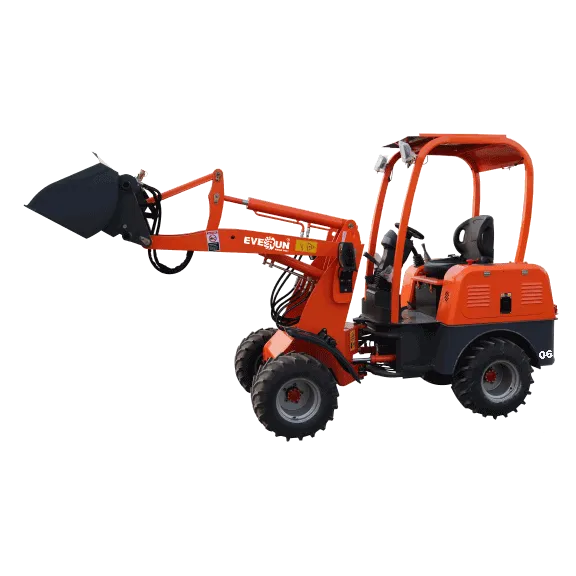
Electric Wheel Loader – EVERUN EREL06
Maintenance Requirements
- Regular Inspections
Routine inspections are the cornerstone of preventive maintenance for the Chinese mini wheel loader. These inspections allow operators to identify potential issues early on, preventing costly repairs and downtime. Key components to inspect include the engine, hydraulics, tires, and overall machine condition. By conducting thorough inspections at regular intervals, operators can keep the mini wheel loader in optimal working condition.
- Lubrication
Proper lubrication is vital for the smooth operation of the mini wheel loader’s moving parts. Regular lubrication helps reduce friction, prevent wear and tear, and extend the lifespan of critical components. Operators should follow manufacturer recommendations for lubrication points and intervals, using high-quality lubricants suitable for the machine’s operating conditions. By maintaining proper lubrication, operators can ensure the mini wheel loader operates efficiently and reliably.
- Cleaning and Storage
Keeping the mini wheel loader clean and properly stored is essential for preventing corrosion and damage. Operators should regularly clean the exterior of the machine to remove dirt, debris, and corrosive substances. Additionally, proper storage is crucial for protecting the mini wheel loader from environmental elements such as rain, snow, and UV exposure. By cleaning and storing the machine correctly, operators can prolong its lifespan and maintain its resale value.
Servicing Options
- Authorized Service Centers
Authorized service centers are the preferred choice for servicing the Chinese mini wheel loader. These centers have trained technicians who are familiar with the machine’s specifications and maintenance requirements. They also have access to genuine parts and specialized tools, ensuring that repairs and servicing are performed to the highest standards. Operators should prioritize using authorized service centers for major repairs and scheduled maintenance to ensure optimal performance and warranty compliance.
- Independent Mechanics
While authorized service centers offer specialized expertise, some operators may opt to use independent mechanics for servicing their mini wheel loader. Independent mechanics may offer more competitive pricing and faster turnaround times, making them a convenient option for minor repairs and routine maintenance tasks. However, operators should exercise caution when selecting an independent mechanic, ensuring they have the necessary experience and expertise to work on heavy machinery like the mini wheel loader.
- Self-Service and DIY Maintenance
For operators with mechanical aptitude, self-service and DIY maintenance can be a cost-effective option for routine tasks. Basic maintenance tasks such as oil changes, filter replacements, and tire rotations can often be performed independently with the right tools and knowledge. However, operators should be aware of their limitations and follow manufacturer guidelines to avoid causing damage or voiding warranties. By taking a proactive approach to maintenance, operators can save time and money while ensuring the mini wheel loader remains in peak condition.
Common Maintenance Procedures
- Engine Maintenance
The engine is the heart of the mini wheel loader, and proper maintenance is essential for ensuring reliable performance. Routine tasks such as checking oil levels, replacing filters, and inspecting belts and hoses help prevent engine damage and prolong its lifespan. Operators should follow manufacturer recommendations for maintenance intervals and use high-quality engine oil and filters for optimal performance.
- Hydraulic System Maintenance
The hydraulic system plays a critical role in the operation of the mini wheel loader, powering essential functions such as lifting and tilting. Regular maintenance of the hydraulic system is essential for preventing leaks, maintaining proper fluid levels, and ensuring smooth operation. Operators should inspect hydraulic hoses, fittings, and seals for signs of wear and address any issues promptly to prevent costly repairs and downtime.
- Tire Maintenance
Tires are another critical component of the mini wheel loader, providing traction and stability on various surfaces. Proper tire maintenance is essential for safety and performance, including checking tire pressure, inspecting tread wear, and addressing damage or punctures. Operators should rotate tires regularly to ensure even wear and replace worn or damaged tires as needed. By maintaining proper tire condition, operators can improve fuel efficiency, reduce tire wear, and ensure safe operation of the mini wheel loader.
Servicing for Specific Components
- Electrical System
The electrical system is responsible for powering various components of the mini wheel loader, including lights, sensors, and controls. Regular maintenance of the electrical system helps prevent issues such as shorts, corrosion, and faulty connections. Operators should inspect wiring harnesses, connectors, and batteries for signs of wear and ensure proper grounding and insulation to prevent electrical failures.
- Attachments and Accessories
Attachments and accessories enhance the versatility and functionality of the mini wheel loader, allowing operators to perform a wide range of tasks. Proper maintenance of attachments is essential for ensuring optimal performance and safety. Operators should inspect attachments regularly for wear, damage, or loose fasteners and lubricate moving parts as needed. Additionally, operators should follow manufacturer recommendations for storing attachments to prevent corrosion and damage during periods of non-use.
Warranty Coverage and Extended Service Plans
- Warranty Coverage
The Chinese mini wheel loader may come with a manufacturer warranty covering certain parts and repairs for a specified period. Operators should familiarize themselves with the terms and conditions of the warranty to understand their rights and obligations. It is essential to adhere to manufacturer recommendations for maintenance and servicing to maintain warranty coverage and prevent voiding the warranty due to neglect or improper maintenance.
- Extended Service Plans
Some manufacturers offer extended service plans that provide additional coverage beyond the standard warranty period. These plans may include extended warranty coverage, preventative maintenance services, and discounted repairs. Operators should carefully evaluate the terms and cost of extended service plans to determine if they offer value and peace of mind for their specific needs. Additionally, operators should consider factors such as the expected lifespan of the mini wheel loader and the likelihood of needing major repairs or replacements when deciding whether to purchase an extended service plan.
Conclusion
In conclusion, understanding maintenance requirements and servicing options is essential for maximizing the performance and lifespan of the Chinese mini wheel loader. From regular inspections and lubrication to proper storage and servicing options, operators have various tools and resources available to keep their equipment in optimal condition. By prioritizing preventive maintenance and following manufacturer recommendations, operators can minimize downtime, reduce repair costs, and ensure the mini wheel loader operates safely and efficiently for years to come.